How to Avoid Being Overpowered Kitesurfing — Safety & Technique
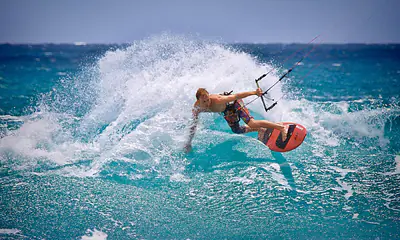
The best way to prevent getting overpowered while kitesurfing is to choose a kite size that matches your actual wind conditions, master the depower stroke to dump power instantly, and stay alert to wind pressure changes. These three foundations--sizing, technique, and awareness--will keep you in control even when the wind picks up unexpectedly.
The Full Answer
Overpowering happens when your kite generates more force than your body, legs, or board control can handle. The result is losing your edge, getting dragged, losing balance, or losing the board entirely. It's one of the most common frustrations for intermediate riders--and it's absolutely preventable with the right approach.
The primary defence is kite size selection. Most kitesurfers go too large for the conditions they're actually in. Wind forecasts are a guide, not gospel. If you're riding in 14 knots but gusting to 18, you need a kite sized for that gust, not the average. A smaller kite that keeps you riding throughout the session beats a larger one that overpowers you halfway through and forces you to sit out. We typically recommend starting with a size one step smaller than you think you need--especially if you're still building your technique.
The second pillar is the depower stroke: the ability to pull your bar toward you and collapse the kite's leading edge backward, killing its power instantly. This is a technical skill worth drilling on land and in light wind first. The depower stroke is your emergency brake. Without it, you're at the mercy of every gust. With it, you have agency. When you feel the power building, you depower. When it backs off, you power back in. Control is maintained through constant small adjustments.
Finally, develop wind awareness. Learn to read pressure on the bar, watch the water surface for wind lines and colour changes, and notice how other riders are positioned. Darker patches on the water are often stronger wind. If everyone else is heading in, it's a sign. If your hands are straining and your core is clenched just to hold edge, you're overpowered--time to shrink your kite or head off the water.
Practical Guide
- Size one step smaller than the forecast -- Wind averages hide gusts. If 13-17 knots is forecast, rig a kite sized for 16-17, not 13. Overpowering ruins sessions; undersizing lets you ride longer and improve.
- Practice the depower stroke on land first -- Rig your kite, hold the bar, and rehearse pulling it toward you sharply to collapse the leading edge. Do this 20 times before the session. Build muscle memory so your arms do it without thinking when a gust hits.
- Depower continuously as pressure builds -- Don't wait until you're fully powered. The moment the bar gets heavier, begin pulling. It's a continuous conversation between you and the kite, not an on-off switch.
- Check your bar angle at launch -- Bar too far forward? You've got instant power and no depower margin. Start with the bar further back (more depower range), then move it forward only as you need power.
- Watch the water, not just the sky -- Wind lines and colour changes on the water tell you where stronger gusts are coming. Avoid dark patches or position yourself to ride away from them.
- Exit gracefully if needed -- If you feel out of control for more than a few seconds, sheet out (pull the bar all the way to your body) and ride downwind toward the beach. No shame in waiting for the wind to settle or switching to a smaller kite.
Common Mistakes
Wind forecasts are unreliable at the specific spot and time you're riding. A 14-knot average can hide 22-knot gusts. Always downsize based on what you see and feel on the day, not what the screen says.
Your arms will tire long before the wind does. If you're muscling the bar to stay in control, you're not depowering enough. Train yourself to release and collapse the kite the instant pressure builds.
Launch in shallow water near the beach. If the wind is stronger than expected, you can walk or paddle in easily. Launching far out overpowered with no escape route is how accidents happen.
Wind changes fast. Just because you felt in control 10 minutes ago doesn't mean you still are. Stay present, watch the bar pressure, and adjust kite size or position immediately if things feel heavier.
Surf Store Recommendation
To prevent overpowering, your primary tool is a forgiving, depower-rich kite that responds predictably to bar input. Two models we rate highly for this are the Duotone Dice SLS and the Cabrinha Drifter Apex--both are known for smooth depower characteristics and predictable power delivery, especially in gusty or shifty conditions.
The Dice SLS is engineered for control and confidence in gusty wind. Its Reflex bridle system gives you instant depower response without lag, and the canopy shape is forgiving to small mistakes. Ideal for preventing overpowering because the kite rewards precision and doesn't punish hesitation.
The Drifter Apex is known for its user-friendly, linear power curve and exceptional bar feedback. You feel every wind change instantly, making it easier to depower before overpowering occurs. A top choice for intermediate riders building depower technique in unpredictable European coastal wind.
Beyond kite choice, a quality bar with smooth, responsive depower is essential. Your bar is your main interface to the kite's power, so invest in one from Duotone, Cabrinha, or another trusted brand. A worn or poorly designed bar hides wind feedback and makes depower harder.
Ready to Gear Up?
Expert advice, authorized stock, ships across Europe within 24h.