
How to Choose a Foil for Wing Foiling — Aspect Ratio Guide
The right foil for wing foiling comes down to three core factors: your body weight and height, the wind conditions you ride most, and whether you prioritise early lift and glide or high-speed performance. Most wing foilers start with a high-aspect-ratio foil in the 65-90cm mast range, paired with a mid-sized front wing that matches both their weight and local wind patterns.
The Full Answer
Choosing a foil for wing foiling isn't about grabbing the most expensive or trendy setup--it's about understanding how three variables interact: mast length, front wing size, and aspect ratio. Your mast height should match your proportions; we typically recommend 65-85cm for riders under 75kg, and 80-95cm for heavier flyers. The mast is your foundation, and getting this wrong makes everything else feel off balance.
Aspect ratio is where the magic happens. A high-aspect-ratio foil (85+) is efficient, generates lift quickly, and excels in light wind--perfect for cruising and early-season sessions when conditions are marginal. A mid-aspect foil (65-80) gives you more control, easier turning, and better forgiveness on landing, making it ideal if you're still dialling in your technique or riding choppier water. Low-aspect setups (below 65) are rare in wing foiling but offer maximum manoeuvrability for freestyle tricks.
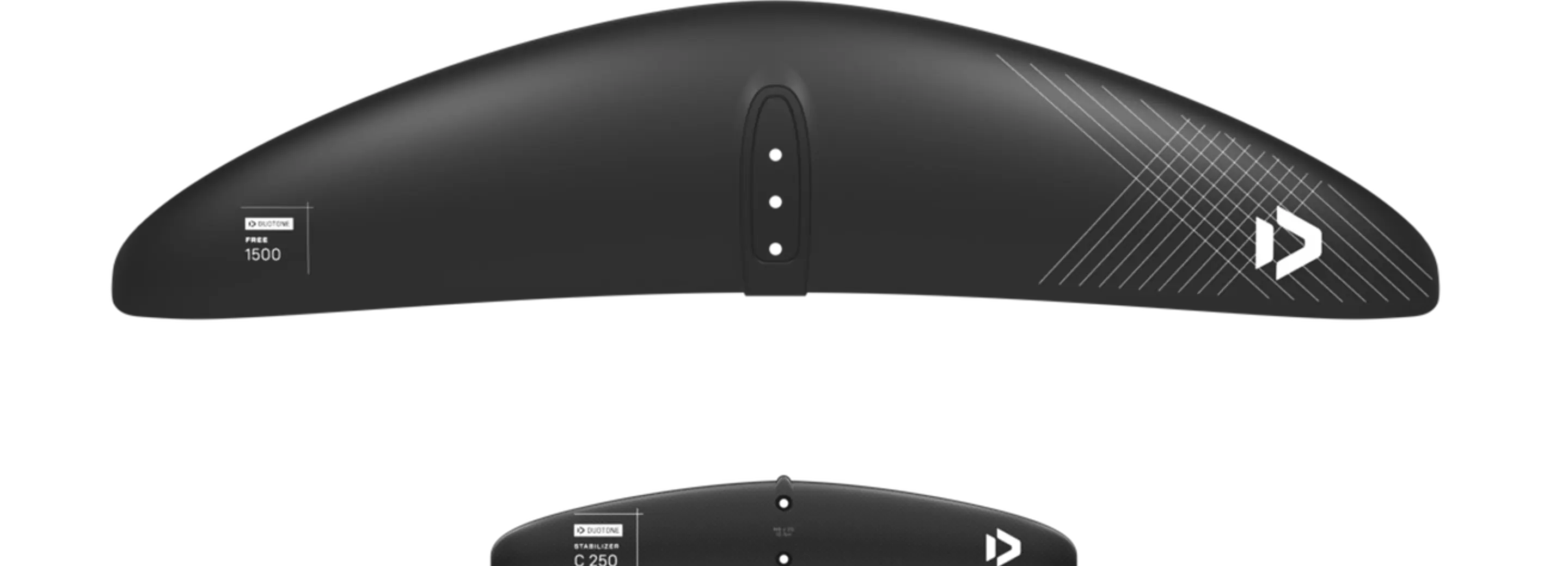
Your front wing size is equally critical. Lighter riders and stronger wind conditions call for smaller wings (500-700cm²), whilst heavier riders or light-wind enthusiasts need 750-900cm². The rear wing stabilises your flight and should be roughly 25% of your front wing area. A larger rear wing makes the foil more forgiving and easier to balance; a smaller one feels sharper but demands precision.
Finally, consider your riding style and local conditions. If you're learning, prioritise stability and early lift--a mid-to-high-aspect foil with a balanced wing pairing works best. If you're chasing speed or riding strong wind regularly, a high-aspect setup rewards efficiency and allows you to ride smaller kites for longer.
Practical Guide
- Measure your height and weigh yourself -- Mast length must suit your proportions. As a rule, your mast should reach roughly from your ankle to waist when standing beside you. Taller riders (over 185cm) and heavier riders (90kg+) need 85-95cm masts.
- Know your local wind average -- Light wind (8-14 kts) demands high-aspect foils and larger wings for early glide. Strong wind (15+ kts) suits mid-or-low-aspect setups because you'll already have plenty of drive.
- Start with a mid-aspect, balanced combination -- A 75cm mast paired with a 700cm² front wing and 180cm² rear wing works for most intermediate wing foilers. This gives you glide, control, and forgiveness whilst you learn.
- Match your front wing to your weight and wind -- Light riders (under 70kg) in light wind can go 800-900cm². Heavy riders (90kg+) or strong-wind sessions need 550-700cm². There's no single 'magic' size.
- Test before buying the complete set -- Borrow or rent a foil from a local school. Ride it in typical conditions for your area. This tells you far more than any spec sheet about whether high-aspect or mid-aspect suits you better.
- Plan for progression -- Consider buying a foil system with interchangeable wings and fusels. This lets you start with a larger, forgiving wing and swap to smaller, higher-aspect wings as your skills improve.
Common Mistakes
A 60cm mast might look sleek, but if you're over 170cm tall, it'll leave you hunched and off-balance, making it impossible to generate proper lift or control. Mast length is ergonomics first, style second.
High-aspect foils are efficient, but they demand clean water and steady wind. In choppy conditions or gusty thermal wind, a mid-aspect foil with a larger rear wing will feel infinitely more stable and forgiving.
Your foil should suit your weight, height, and local conditions--not your kite size. A 12m kite doesn't mean you need a specific foil setup. Light riders on 12m kites can use smaller wings; heavier riders might still need mid-sized wings for glide.
Many riders focus only on the front wing and neglect the tail. A tiny rear wing might feel 'fast,' but it makes landing and balance brutally hard. Start with a rear wing that's 22-28% of your front wing area and adjust from there.
Surf Store Recommendation
The Gaastra Foil ALU Wing Foil Set Hybrid gives you a complete, balanced package: an aluminium mast that's durable and affordable, with wings sized for genuine light-to-medium wind glide. The 72cm length suits average-height riders perfectly, and the hybrid design lets you swap wings as you progress.
For taller, heavier riders or those hunting maximum glide in light wind, the Gaastra Foil CARBON Wing Foil Set UHM offers uncompromising performance. The 85cm carbon mast is lighter and stiffer than aluminium, and the high-aspect-ratio wing setup rewards clean technique with early lift and efficiency.
Both Gaastra foil systems come with interchangeable front and rear wings, so you can dial in your exact setup without committing to a single configuration. If you prefer building your own rig, we stock individual Gaastra masts, fuselages, and front wings--pick the combination that matches your body, your local wind, and your riding goals.
Ready to Choose Your Foil?
Expert advice, authorized Gaastra stock, ships across Europe within 24h. Still unsure about aspect ratio or mast length? Contact our team--we'll help you nail the setup.