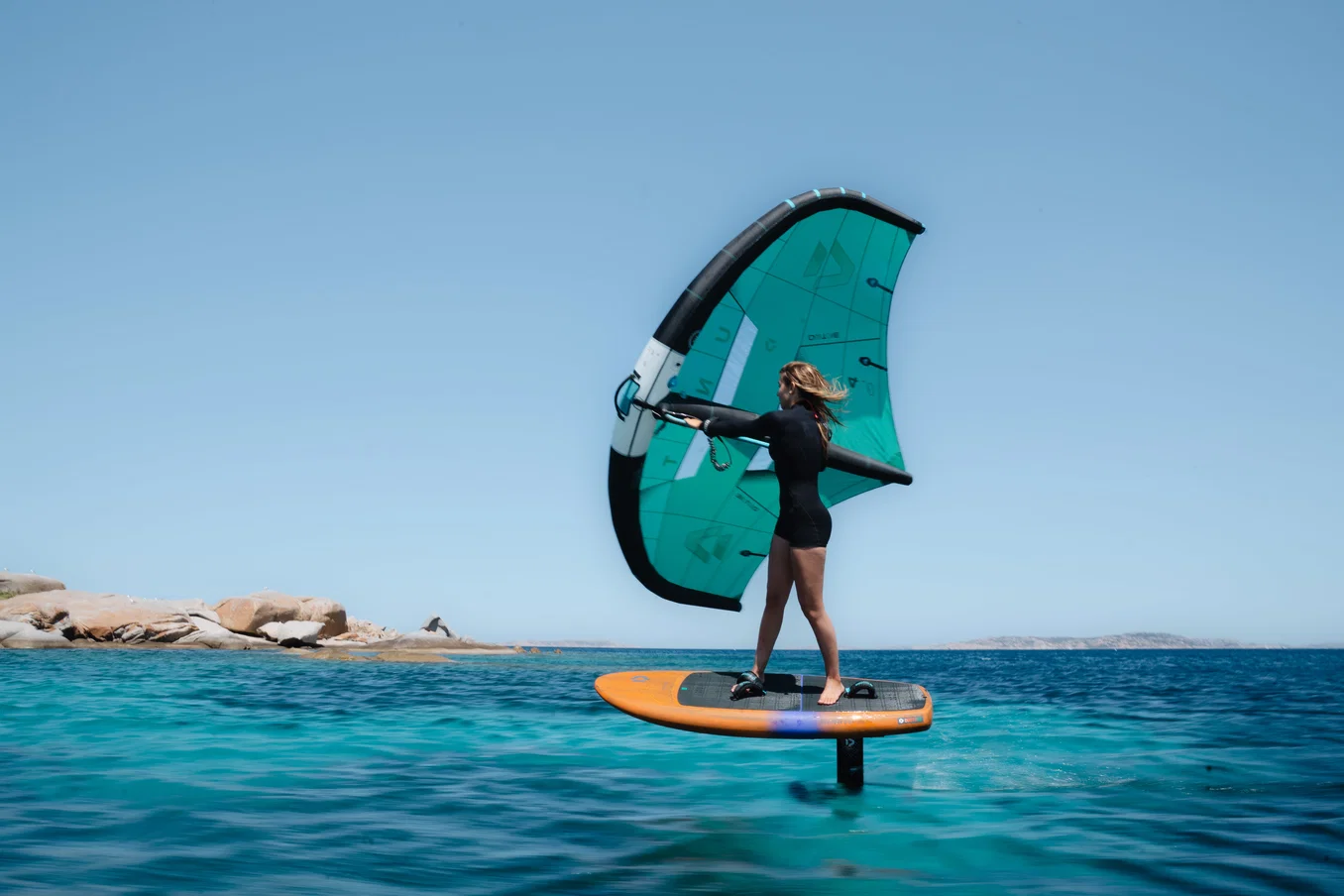

How to Downhaul a Windsurf Sail — Step-by-Step Rigging Guide
Downhaul is your sail's personality dial—twist it right and you'll feel the difference immediately. This guide walks you through finding the perfect tension for your conditions, whether you're sailing a Neilpryde Atlas or a Gaastra wave sail.
Downhaul is the line running from your sail's tack down to the boom, pulling the luff tight. Increase tension to flatten the sail in stronger wind; ease off to keep it deep and powerful in light conditions. Watch for horizontal creases at the lower luff—they vanish when tension is dialed in. Most sailors find the sweet spot through feel, not a formula.
01 — The PhysicsWhat Downhaul Actually Does
Downhaul pulls your sail's leading edge (the luff) toward the boom, and that single motion controls how flat or full your sail sits. Increase tension and the draft—that's the curve in the sail—flattens out. Ease tension and the sail gets deeper, holding more air.
Why does this matter? In 8 knots, you want that deep, powerful shape. In 22 knots, a flat sail lets you stay balanced and controlled. It's the difference between wrestling your rig and dancing with it.
02 — The ProcessHow to Rig and Adjust Downhaul—Step by Step
Start loose. Attach the downhaul line to the tack and thread it down to the boom pulley. You should see a slight wrinkle running diagonally from the tack—that's your baseline.
Pull gradually. Tension the line in small increments. Stop when those horizontal creases at the lower luff flatten out. The upper luff should stay relatively smooth. If the whole leading edge looks like corrugated iron, you've gone too far.
Check your conditions. Light wind (under 12 knots)? Keep tension light. Strong wind (20+ knots)? Pull it firm. You'll feel the sail respond instantly—it'll become easier to hold and steer.
03 — Our picksOur 4 In-Stock Picks for Different Sailing Styles
Whether you're rigging a 4.5 m² freeride sail or stepping up to a race profile, downhaul technique stays the same—but sail design changes how sensitive it is. Here's what we stock and why each one rewards clean rigging.
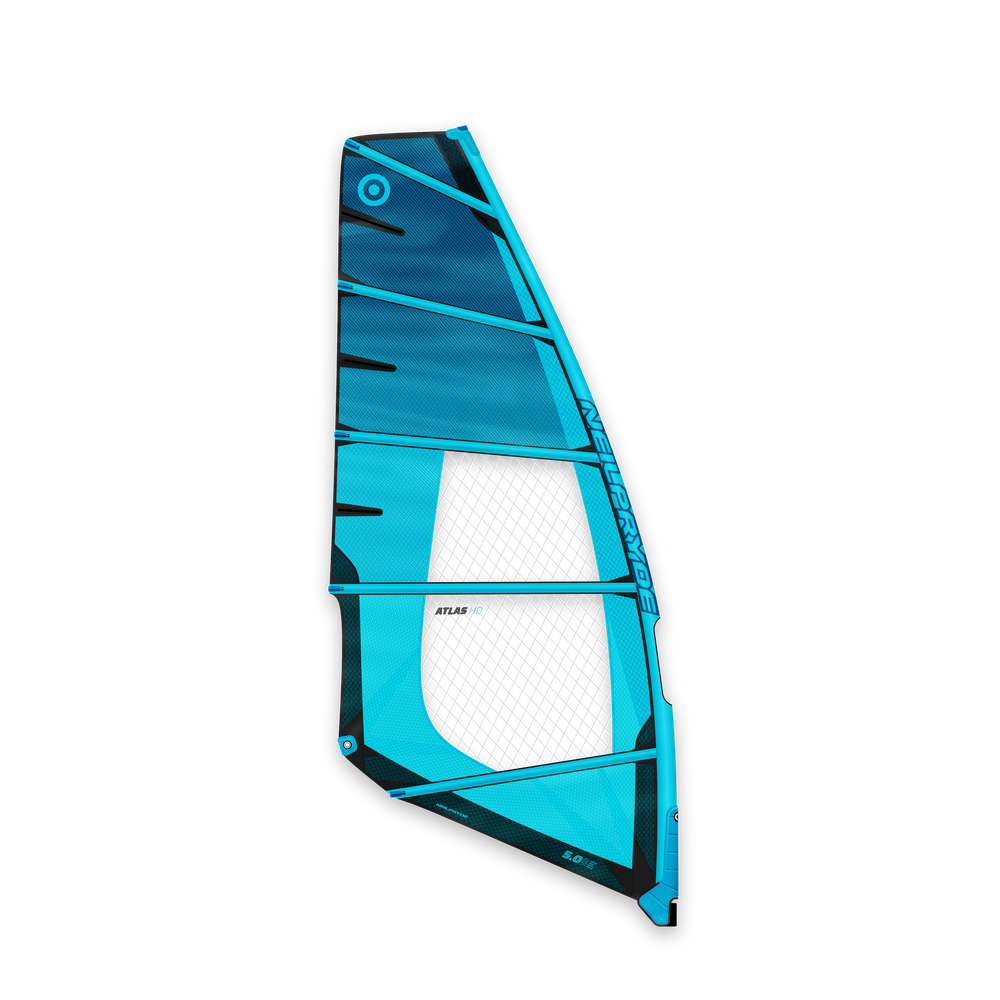
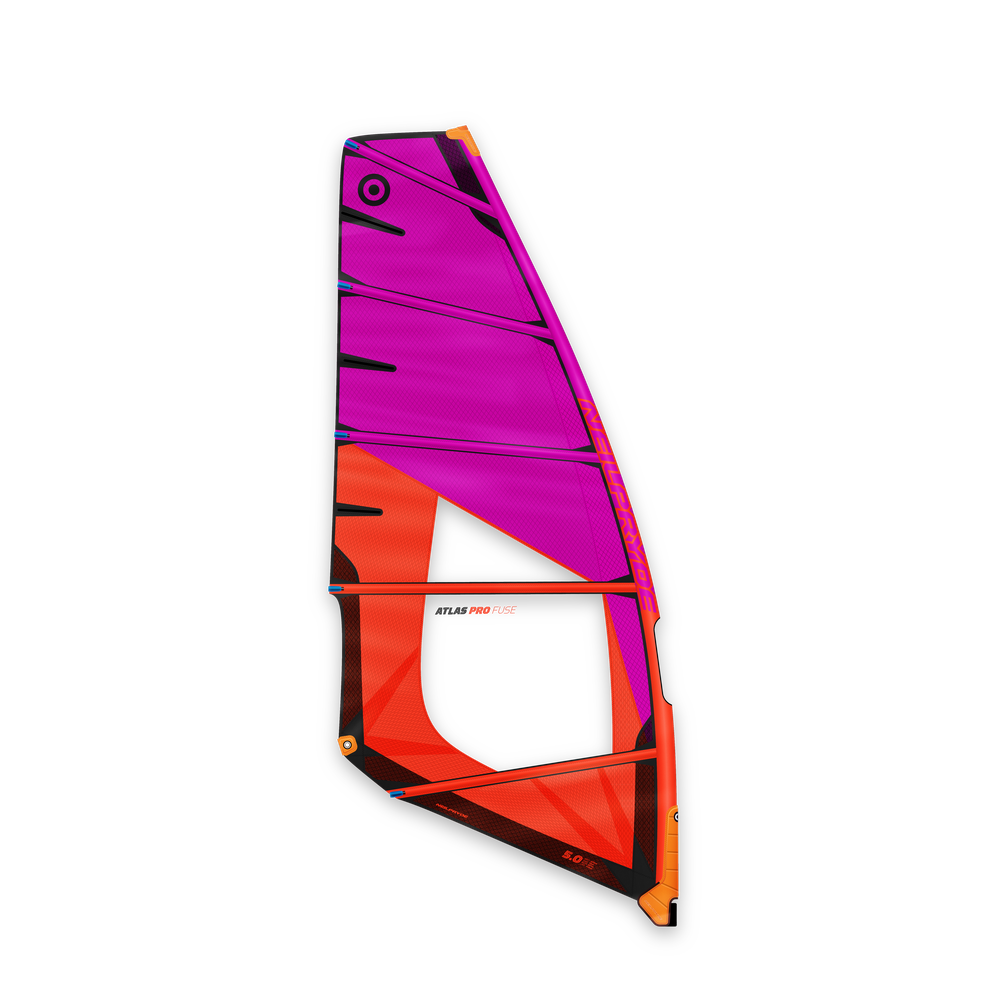
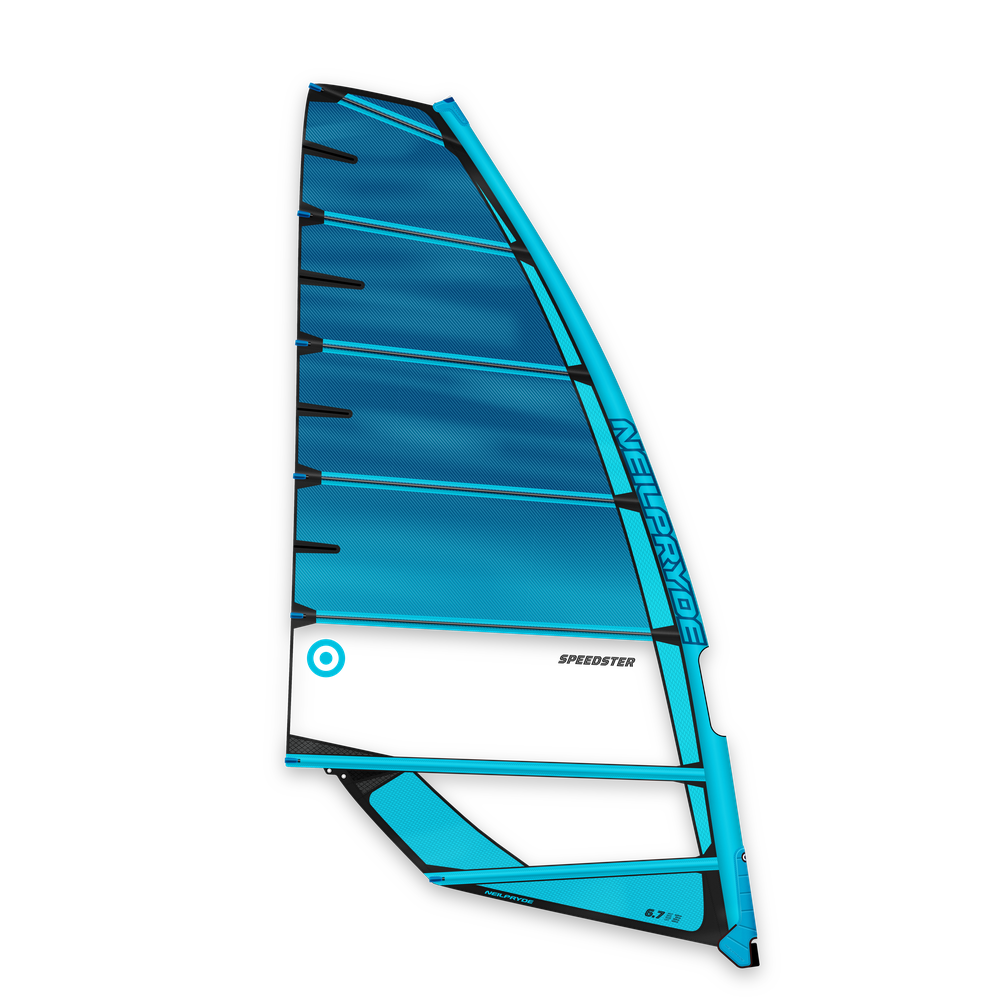
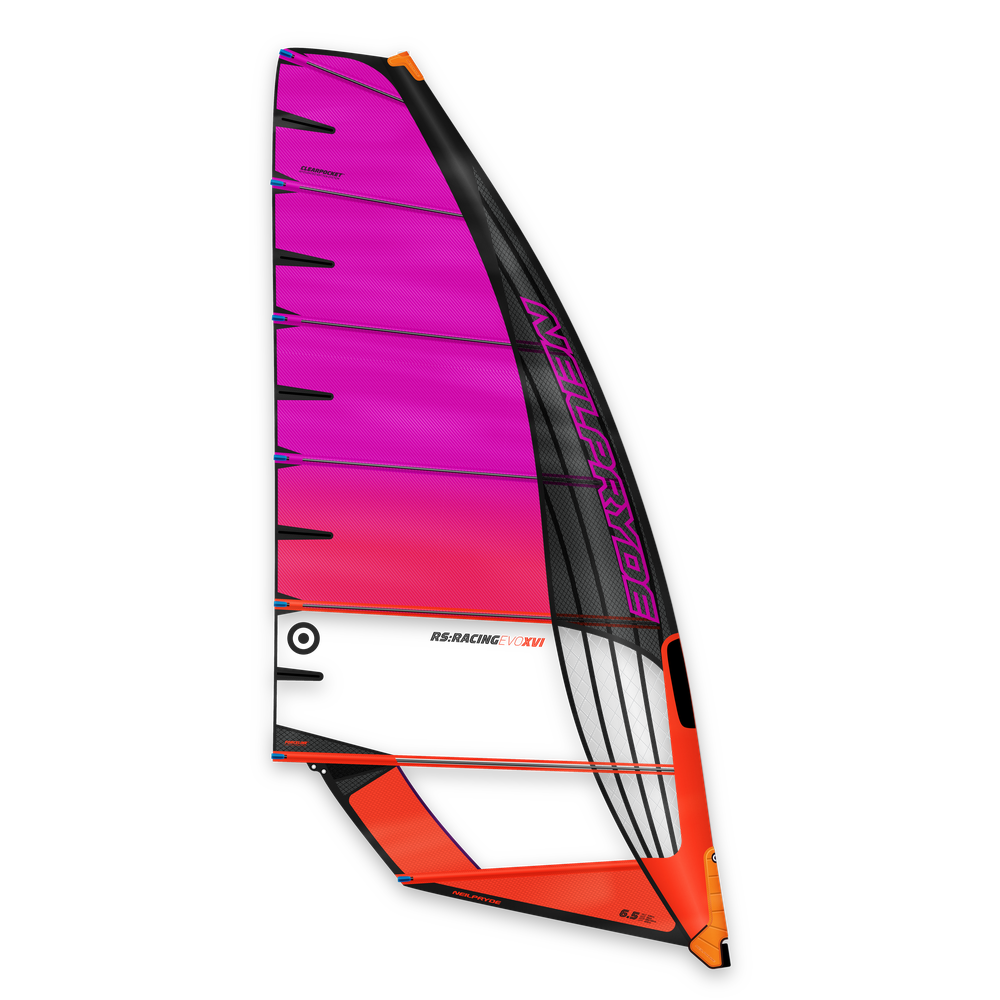
Prices and 2026 specs are pulled live from each product page. Confirm on the product page before checkout.
04 — MistakesThree mistakes we see every week
Ready to dial in your rig?
Browse our full range of Neilpryde and Gaastra windsurf sails, all tuned and ready to ship.
Frequently asked
Tight enough that horizontal creases at the lower luff flatten out, but not so tight the whole luff goes rigid. You should feel a slight spring in the rig when you pull. It changes by wind and sail size—there's no one number.
Yes. Tightening downhaul also tightens the back of the sail slightly, which can increase twist and spill air in strong wind. That's actually useful—it's one reason flat sails in heavy wind stay controlled.
Absolutely. If the wind jumps from 12 to 18 knots, give it another notch of tension. You don't need to do it constantly, but between jumps or between tacks, it's worth 5 seconds of adjustment.
Race sails (like the Neilpryde Racing Evo XVI) are sensitive to downhaul pressure—they're designed to reward precision. Freeride sails (like the Neilpryde Atlas HD) are more forgiving. Both follow the same creasing rule; race sails just punish being slightly off more.