How to Windsurf Faster — Pumping, Trim & Speed Techniques
The fastest windsurfers share three core skills: precise pumping technique, aggressive sail trim, and dynamic weight distribution. Speed isn't about raw power--it's about converting every breath of wind into forward momentum through rhythm and efficiency. Whether you're racing or chasing better bottom-end performance, these methods work across all conditions.
The Full Answer
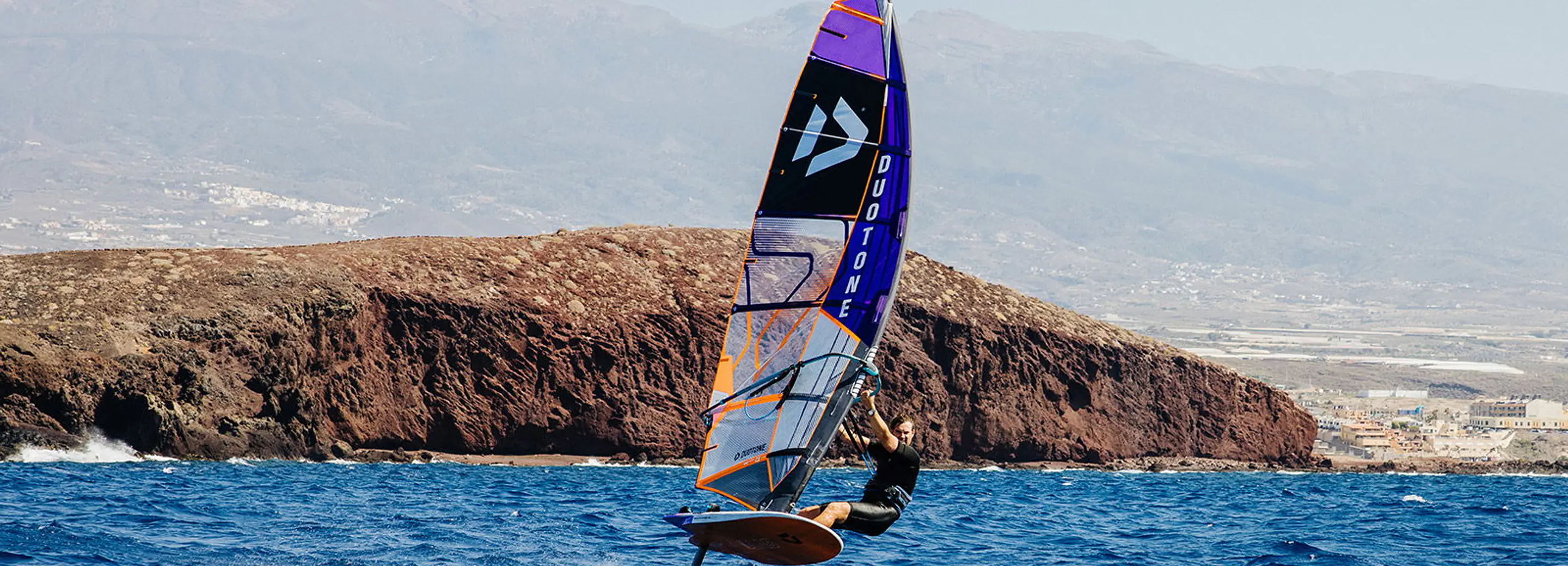
Windsurf speed comes from the pumping technique--a rhythmic motion that loads and unloads the sail's power. When done correctly, you're essentially creating artificial wind pressure even in marginal conditions. This involves a coordinated sequence: pull the sail towards you with your back hand, shift your weight forward and up onto your front foot, then extend powerfully through your legs and back as you push the sail away. The key is timing. Each pump should align with the sail's natural oscillation, not fight it.
Beyond pumping, speed demands aggressive sail trim. Keep your sail as open (loose) as control allows--a stalled sail is a slow sail. Your boom height matters too: position it level with your hip or slightly lower. Too high, and you lose power; too low, and you're fighting the leverage. Your rig angle should be slightly forward of vertical, which keeps the centre of effort well-distributed and prevents weather helm that slows you down.
Body position is equally critical. Champions stay centred and dynamic--constantly micro-adjusting weight to maintain planability. Your front knee should be slightly bent, your stance wide, and your shoulders relaxed. Tension kills speed. As your speed increases, your weight naturally shifts aft; don't resist this--embrace it. Many riders try to stay too upright or too forward, which either buries the nose or breaks the plane entirely.
Finally, choose gear engineered for speed. A modern freeride or wave sail designed with efficient profiles and refined battens will respond better to pumping than older, softer designs. Similarly, a board with good glide and minimal volume loss at speed will accelerate faster than a traditional floaty shape. The combination of technique and hardware multiplies your results.
Practical Guide
- Master the pumping rhythm -- Pump 2-3 times per second in sync with the sail's flex cycle. Start with short, controlled strokes and increase amplitude as speed builds. Record yourself or ride with others to calibrate your timing.
- Keep sail trim loose -- Open your hands frequently; a locked wrist kills response. Your back hand should be relaxed, ready to release instantly if a gust hits. This also reduces fatigue on long sessions.
- Distribute weight dynamically -- As you accelerate, allow your weight to flow naturally aft. Don't plant yourself; stay light on your feet and ready to shift forward if you find yourself overpowered or loose.
- Lower your boom -- A boom at hip height or below improves leverage and allows more aggressive pumping without losing control. Adjust for wind strength: lighter winds = slightly higher; strong winds = lower.
- Angle your rig forward -- Lean your mast 5-10° ahead of vertical. This balances the centre of effort and reduces weather helm, both of which improve acceleration and top speed.
- Practice in marginal conditions first -- Light wind forces you to pump efficiently. Once you've grooved the technique in 8-12 knots, apply it in stronger breeze where the payoff is most obvious.
Common Mistakes
Many riders pump frantically without syncing to the sail's flex cycle, wasting energy and actually slowing acceleration. Pumping is a dance with the rig, not a wrestling match. Slow down, feel the sail's breathing, and match your strokes to it.
A death grip on the boom prevents the sail from releasing and responding to pumps. Your hands should feel like they're just touching the boom--tension lives in your core and legs, not your forearms.
A high boom reduces mechanical advantage and makes pumping inefficient. You're fighting the leverage instead of using it. Lower your boom until it feels natural--usually hip height or slightly below.
Rigid riders can't respond dynamically to changes in pressure. Stay light, flex your knees, and let your legs act as shock absorbers and power generators. Flexibility = responsiveness = speed.
Gear That Helps You Accelerate
The right sail and board transform how quickly you'll see improvements. Modern freeride and wave sails with responsive batten profiles are built for pumping--they load and unload energy cleanly and reward rhythm. Similarly, a board designed for glide and early planning (not just volume) will translate your technique into measurable speed gains.
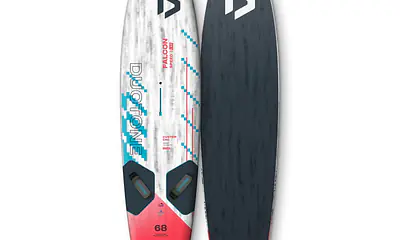
At Surf Store, we stock Duotone and Tabou boards engineered for speed and wave control. The Duotone Eagle range (including the Eagle SLS 2025) is purpose-built for intermediate to advanced riders chasing both speed and manoeuvrability. For sails, the Duotone Super Star and Duotone E_Pace series deliver the responsive, efficient profiles that make pumping pay off. If you're leaning toward wave or freestyle, the Duotone Ultra FreeWave or Tabou Da Bomb balance speed with playfulness beautifully.
The Eagle is a speed-focused freeride platform with excellent glide and early planing. Its refined shape rewards pumping technique and delivers responsive acceleration across a wide wind range.
The E_Pace is a high-performance freeride sail engineered for speed and control. Its batten curve and profile are optimised for pumping in marginal to moderate winds, making it perfect for developing and applying this technique.
Ready to Boost Your Speed?
Expert advice, authorised stock, ships across Europe within 24h. Our team has ridden every sail and board we stock.