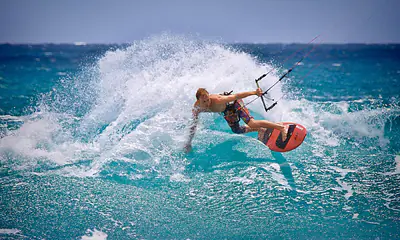

Is It Safe to Kitesurf Alone? — Solo Kitesurfing Guide
Solo kitesurfing is possible, but it carries real risk. The honest answer: it depends on your skill level, the conditions, and how well you've prepared. Beginners should not kitesurf alone. Intermediate and advanced riders can manage it if they follow strict safety protocols and choose suitable locations.
The Full Answer
Kitesurfing is inherently a solo sport in the sense that you're responsible for your own safety on the water. However, solo kitesurfing means no one else is watching, no buddy system in place, and no immediate help if something goes wrong. This distinction matters enormously.
The primary risk isn't the kite itself--it's the water. If you get separated from your board, caught in a current, or have a sudden equipment failure, you're alone. Fatigue, hypothermia, disorientation, and medical emergencies become serious without backup. Beginners lack the skills to recover from unexpected situations. You need thousands of hours of experience, reliable self-rescue ability, and intimate knowledge of your chosen beach before you should consider solo sessions.
Intermediate to advanced riders with strong swimming skills and local knowledge can make it work--but only at familiar, shallow-water spots with good visibility and rescue infrastructure nearby. Even then, you're accepting heightened risk. Professional riders often have rescue boats or spotters. You should too, ideally.
The harsh truth: every year, experienced kiteboarders die in solo sessions. Equipment failure, sudden weather shifts, medical incidents (heart attack, cramp, panic)--any of these can turn a routine session fatal when you're alone. Respect that reality, and kitesurfing stays fun and manageable for decades.
Practical Guide
- Build your foundation first -- Log 50+ hours with instructors or experienced friends before considering solo sessions. You need genuine confidence in self-rescue, board recovery, and reading wind shifts.
- Choose shallow, sheltered spots only -- Stick to bays, lagoons, or protected beaches where water depth is waist-to-chest height. Stay within 100 metres of shore. Avoid offshore winds, strong currents, and exposed reefs.
- Check conditions obsessively -- Wind forecast, tide times, water temperature, local hazards, and sunrise/sunset timing should all be confirmed the night before. If anything feels off, don't go.
- Tell someone your plan -- Notify a friend exactly where you're going, when you'll start, and when you'll return. Give them contact details for the local coastguard. Check in when you're back.
- Carry a personal flotation device -- Use a waistcoat-style PFD or inflatable belt. It won't interfere with your riding but could save your life if you're separated from your board.
- Inspect gear before every session -- Check bridles, bladders, stitching, bar lines, and board condition. A broken line at the critical moment becomes an emergency when you're alone.
Common Mistakes
Even world-class kiteboarders get into trouble alone. A sudden equipment failure, medical event, or freak wave doesn't care how many hours you've logged. No amount of skill eliminates the risk of being unconscious or unable to help yourself.
A beach might look perfect but hide rip currents, submerged rocks, shipping lanes, or strong offshore winds beyond the bay. Always scout new spots with a local or experienced guide first, never alone.
Self-rescue sounds easy until you're exhausted, cold, and panicked 500 metres offshore. If you haven't practised getting back to shore without your board, in difficult conditions, you're not ready to be alone.
Sunset sessions, unsettled wind, or water colder than you expected might feel manageable solo--until they don't. Always save challenging conditions for days when you have a buddy or rescue cover nearby.
Surf Store Recommendation
If you do decide to kitesurf solo--and only after meeting the criteria above--your gear choice becomes critical. Reliability and redundancy matter far more than performance. We recommend stocking a proven, robust kite from Duotone or Cabrinha alongside a high-quality board and a secondary control system if possible.
For solo sessions, consider a mid-sized all-rounder kite rather than a high-performance race or freestyle model. You want forgiveness, predictable handling, and minimal surprises in shifting wind. A board with excellent float and a deep box for a centre fin setup also reduces the chance of separation.
More importantly: invest in a waistcoat-style personal flotation device or inflatable belt (we stock ION models). A quality wrist leash, a secondary bar bridle, and a waterproof whistle are non-negotiable. These pieces don't make solo kitesurfing safe--they just tilt the odds slightly in your favour.
Ready to Kitesurf Safely?
Build your skills with friends first. When you're ready, we stock reliable kites, boards, and safety gear from trusted brands. Talk to us about your local spot and experience level.