
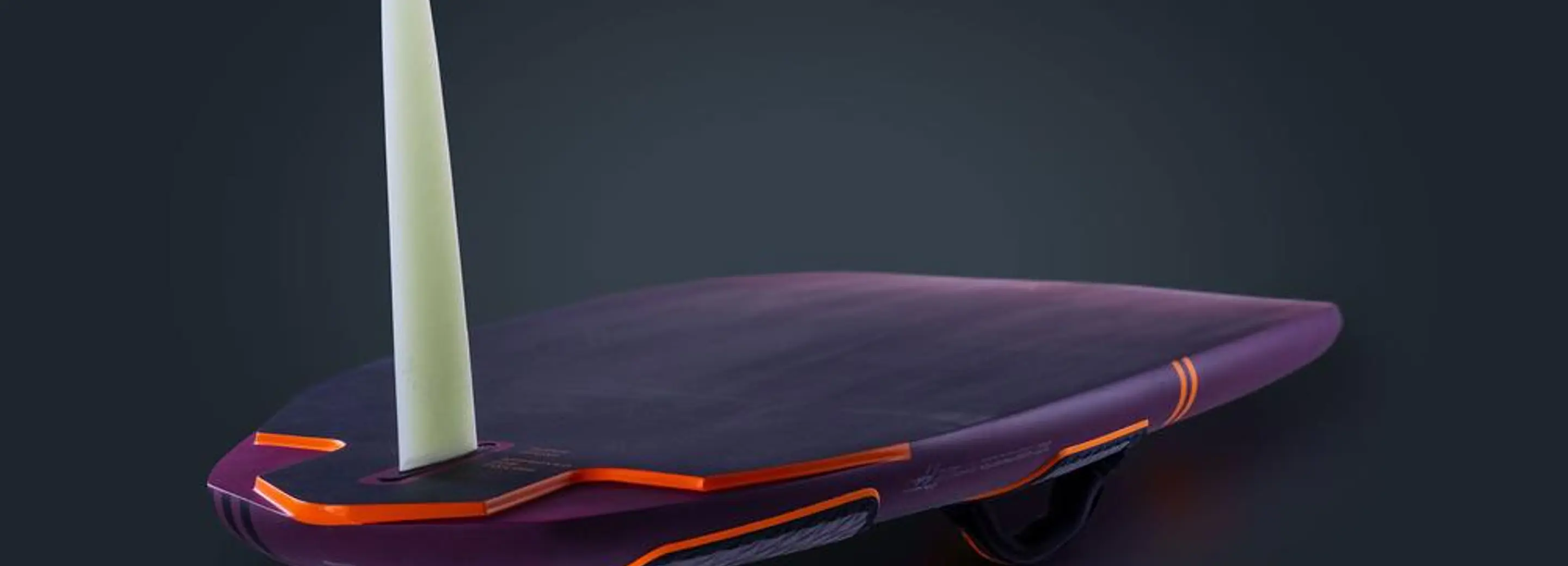
JP Australia Super Ride 2026 — Freeride Board Review
JP's Super Sport brings responsive handling and solid pop to freeride sessions. Forgiving in chop, quick edge-to-edge transitions, and enough drive to carve in light winds--a genuine workhorse for intermediate riders who want speed without fuss.
What's New for 2026
JP Australia's freeride lineup continues to evolve with refined production techniques and material optimisation across their 2026 range. Whilst the Super Ride name itself reflects JP's commitment to accessible, versatile boards, the latest iterations benefit from improved rocker progression and updated foam densities that reduce weight without sacrificing durability. The 2026 Super Ride platform maintains the brand's reputation for predictable, balanced performance that appeals to riders stepping up from beginners into intermediate waters.
For 2026, the JP Australia Super Sport (available at Surf Store) represents this philosophy--delivering the freeride characteristics you expect from JP with sharper response in variable conditions. The board's design ethos hasn't abandoned the principles that made earlier models popular: easy rotation, stable platform, and enough forgiveness to handle European summer swells and choppy lake sessions without demading expert technique.
Key Features & Technology
- Balanced Volume Distribution -- Concentrated around the rider's stance for responsive turning without sacrificing flotation in lighter winds or mushy conditions.
- Moderate Rocker -- Enough curve through the profile to prevent catching edges in chop, yet maintains drive and upwind ability in freeride mode.
- Wide Point Forward -- Positioned to encourage early planing and stable edge hold, making entry easier for intermediate riders still refining their pressure control.
- Reinforced Rail Design -- Thicker edge construction improves durability and edge response, especially valuable if you're learning manoeuvres or riding rocky spots.
- Multi-Fin Box Compatibility -- Accommodates different fin setups (thruster, quad, or single) so you can adapt to wind and swell variations throughout the season.
- Compact Outline -- Narrower than dedicated freewave boards but wider than wave-focused designs, making it a true utility freeride platform.
Who Is It For?
Easy Stance Transitions
The forgiving rocker and balanced outline won't punish sloppy weight transfer or inconsistent sheet angles. You can focus on technique rather than fighting the board's personality.
Versatile Platform
Experienced riders will appreciate the responsive edge hold and suitability for powered freeride conditions. Pop is predictable, and the board handles both light-wind upwind slogs and dynamic carving runs.
On the Water -- Performance
The JP Australia Super Sport shines in variable European conditions where wind and swell rarely stay consistent for a full session. In 10-16 knots with 0.5-1.5 metre chop, the board sits confidently on edge, resists wash and turbulence, and responds to subtle rider input without demanding aggressive pressure. Rotation happens smoothly--there's no delay between intention and bank angle, which builds confidence when you're still learning to read the water.
In lighter winds (8-12 kts), the board's volume and moderate rocker mean you'll achieve earlier planing than narrower freewave designs. You won't glide endlessly, but you'll stay upwind longer and avoid the demoralising frequent footwork that frustrates intermediate riders on underpowered days. The rail response is crisp enough for drawn-out carves, yet forgiving enough that minor rail catches won't throw you off balance.
When conditions build (16-22 kts), the Super Sport holds true--it's not a wave gun, but controlled freeride turns feel meaty and committed. The compact outline prevents broaching in gusts, and bottom turn drive transfers through the rail nicely. Chop forgiveness diminishes slightly at the upper end of the wind range, but nothing unexpected for a freeride-focussed platform.
Specs & Sizing Guide
Size (L) Rider Weight (kg) Wind Range (kts) Best Conditions 70L 60-75 12-22 Light to moderate intermediate 80L 70-85 10-20 Variable, strongest all-rounder 90L 80-95 8-18 Light winds, building skills 100L 90-110 6-16 Heavier riders, light conditions 110L 105+ 5-14 Largest rider category, learning phaseNote: These are guidelines. Personal style, kite size, and local wind patterns matter--talk to our team if you're between sizes.
Verdict: Worth Buying in 2026?
Yes, especially if you're an intermediate freeride rider seeking a reliable, forgiving platform that won't hold you back as your skills advance. The JP Australia Super Sport (which represents the modern Super Ride philosophy) delivers predictable performance in the wind ranges most European riders encounter--roughly 8-20 knots. It's honest gear: no marketing nonsense, no gimmicky rocker, just a board that does what it promises. For the price point, you're getting genuine freeride versatility and JP's proven manufacturing quality, which matters when you're investing €800-1200 in a board you'll ride 80+ days a year.
The only caveat is if you're a dedicated light-wind specialist or purely wave-focussed--in that case, look at JP's dedicated products or alternatives below. But for the majority of riders balancing freeride jumps, progressive carving, and occasional wave attempts, the Super Sport is a sensible, unfussy choice that will still satisfy you in 2027 and beyond.
Also Consider
Duotone's Eagle SLS offers German-engineered freeride performance with a slightly wider outline and more playful pop. Excellent for intermediate riders who value edge hold and light-wind planing ability.
TABOU's Da Bomb bridges freeride and wave performance with lively rocker and compact outline. If you want a board with more personality and wave-handling credentials, this hybrid excels in choppy, variable conditions.
Ready to Gear Up?
Expert advice, authorised stock, ships across Europe within 24h.