
Kite Bag Guide 2026 — Best Travel Bags for Kitesurfers
What to Look For
Choosing the right kite bag is about more than just aesthetics--it's an investment in protecting your expensive gear and making travel stress-free. I've watched too many riders show up at the spot with creased battens and leaking bladders because they grabbed whatever bag was lying around. The good kite bag guide 2026 covers the fundamentals: cushioning that absorbs impact, size that matches your quiver, and materials that stand up to salt spray and UV.
- Padding thickness -- At least 10mm closed-cell foam protects against impacts. Travel and adventure riders need heavier padding; casual locals can get away with lighter options.
- Internal dividers -- Separate compartments stop kites tangling during transport. Multi-kite bags must have adjustable foam partitions or roll-in sleeves.
- Water-resistant fabric -- Nylon or PVC coatings shed moisture and salt residue. Ultraviolet stabilisation stops fading in sunny storage.
- Handle and strap design -- Double handles spread weight; padded shoulder straps and wheeled bases reduce strain on long carries or airport runs.
- Ventilation ports -- Mesh vents allow air circulation inside, preventing mould and mustiness on damp gear stored overnight.
- Zipper quality -- Heavy-duty YKK or equivalent zips withstand repeated use and salt corrosion. Check that sliders run smoothly and seals close fully.
The best kite bag guide for 2026 reminds you that what works for airport travel differs from what suits a local beach locker. A roadtrip bag must be durable and compact; a storage bag prioritises breathability and UV protection. Let's break down what each rider type needs.
Beginner vs Advanced Needs
Single Kite, Local Carry
Starting out, you likely own one or two kites and travel locally or within a short drive. A compact, lightweight bag with basic padding works perfectly. Look for something easy to shoulder, with a simple zip and no fussy compartments. Budget 50-100 EUR for a straightforward single-kite sleeve or small travel bag.
Multi-Kite Quiver, Global Travel
Experienced riders carry 3-5 kites across different wind ranges. You need a professional kite bag guide 2026 that's organised, durably padded, and wheel-ready for airports. Multi-compartment systems, thermal liners, and reinforced zips matter. Expect to spend 150-300 EUR for a high-end travel bag that keeps your quiver protected through repeated abuse.
Budget Guide
Tier Price Range Best For Key Features Entry €50-100 Beginners, local riders, one kite Single kite sleeve, basic padding, shoulder carry Mid €100-200 Intermediate, casual travel, 2-3 kites Multi-compartment, reinforced handles, water-resistant Premium €200-400 Advanced, frequent travel, full quiver Heavy padding, wheeled base, thermal lining, YKK zipsYour budget reflects how often you travel and how many kites you need to protect. Beginners often underestimate the value of a good bag--a €80 investment now prevents a €500 kite repair later. Intermediate riders benefit from stepping up to a wheeled option; it's a game-changer on airport floors. Advanced sailors justify premium bags through sheer use: frequent trips, diverse quivers, and years of service.
Our Top Picks for 2026
We've tested and recommend kite bags that deliver real protection and practicality. These are verified stock items that our customers trust across Europe. Whether you're a week-ender or a full-time nomad, one of these will suit your kite bag guide 2026 checklist.
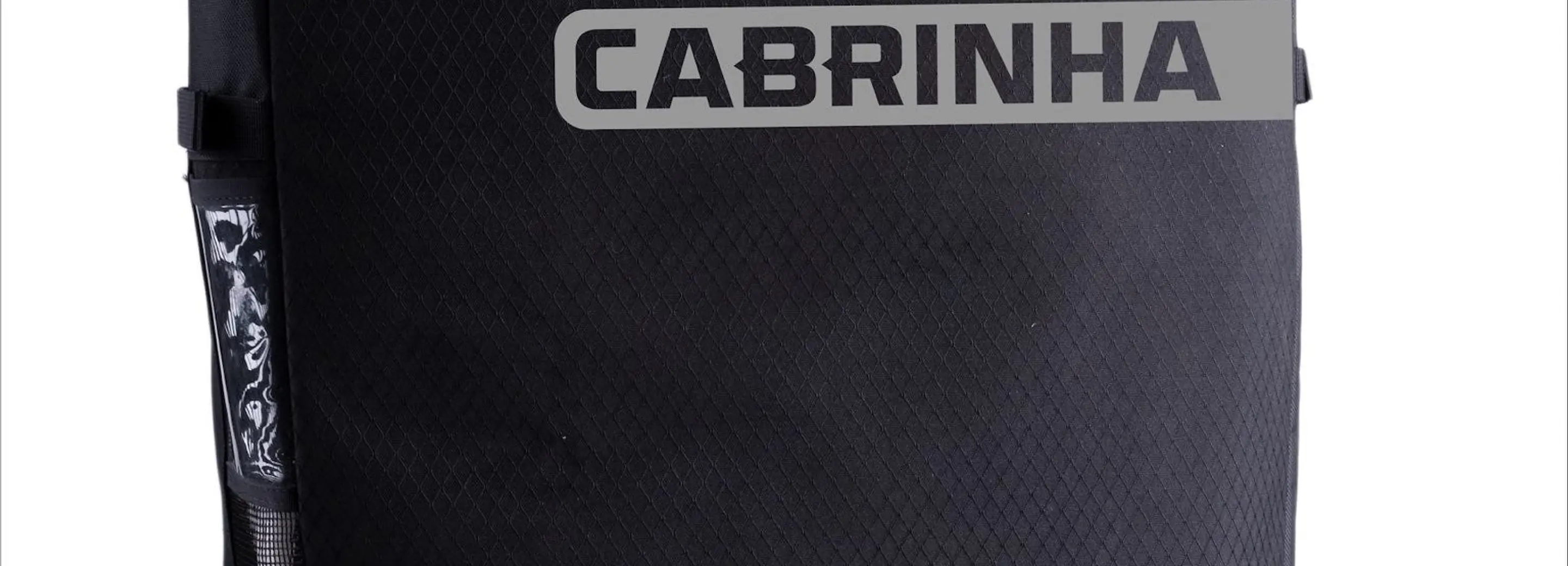
The Core strikes the perfect balance between protection and portability. Closed-cell foam throughout, internal dividers to prevent entanglement, and reinforced carry handles. Mesh ventilation vents keep moisture at bay. It's the workhorse for serious local and weekend-trip riders.
Built for constant travel, the Mystic Pro features a telescopic handle and durable wheels. Heavy thermal padding, compartmentalised layout, and YKK zips mean your quiver stays protected through repeated airport cycles. TSA-friendly dimensions and interior organisation make this the premium choice.
Compact and affordable, the NeilPryde sleeve is perfect for beginners or local riders with a single quiver. It won't win awards for luxury, but it offers solid padding, water-resistant material, and a shoulder strap. Ideal for casual trips to nearby spots.
Duotone's Combi rolls up compactly but unfolds into full protection. Adjustable internal sleeves let you fit anywhere from one to four kites. Lightweight aluminium frame, carry handles, and water-resistant nylon make it a smart choice for riders who travel occasionally but need flexibility.
Common Mistakes to Avoid
A flimsy bag saves money upfront but won't cushion impacts during baggage handling or drops. Investing in at least 10mm padding prevents creased battens and punctured bladders that cost far more to repair.
Sealed bags trap moisture and encourage mould on damp neoprene or frames. Always choose a kite bag guide 2026 design with mesh vents or breathable lining so air circulates and mildew never takes hold.
Starting out with one kite is fine, but most riders expand within a year. A multi-compartment bag scales with your collection; buying three single sleeves wastes space and money.
Salt corrodes cheap zips fast. Clean sliders with fresh water after beach use, apply silicone spray monthly, and replace zips early if they stick. A €30 repair beats replacing a €200 bag.
Always dry your kite fully before bagging--even a damp sleeve invites mould. Spend five minutes in the sun rather than sealing moisture inside for hours.
Ready to Protect Your Quiver?
Expert advice, authorised kite bags, fast EU shipping. Find the perfect bag for your riding style and budget.