Kite Bar & Line Length Guide 2026 — How to Choose
What to Look For
Choosing the right kite bar line length isn't just about matching numbers--it's about control, feel, and how your kite responds in real conditions. I've been riding for 20 years, and the bar length you pick shapes your entire session. Too short and your kite feels twitchy; too long and it becomes sluggish. Here's how to choose kite bar line length 2026 that works for your style.
- Kite size compatibility -- Smaller kites (7-12m) typically work best with shorter bars (17-19m), while larger kites (14-17m) favour longer bars (21-24m) for balance and leverage.
- Riding discipline -- Freestyle and wave riders often prefer shorter, snappier bars; freeride enthusiasts and beginners typically benefit from longer bars with easier control.
- Wind window and response -- Longer bars increase your wind window and require less physical input; shorter bars demand precision and reward aggressive riding.
- Line quality and materials -- Premium bars use Spectra or Dyneema lines that maintain tension; entry-level bars may stretch, affecting how you control your kite bar line length choice.
- Depower range -- A good kite bar line length setup gives you 20-30% depower travel. Too short and you lose safety margin; too long and you lose power control.
- Comfort and ergonomics -- Your hands, forearms, and core take the load. A bar that's too wide or too long fatigues you faster and kills your technique.
Beginner vs Advanced
Start Longer (21-24m)
A longer kite bar line length gives you a wider margin for error, smoother control inputs, and easier depower. You'll feel less twitchiness and gain confidence faster. Pair a 21-24m bar with a 12-14m kite, and you'll have predictable, forgiving handling in light to moderate wind.
Go Shorter (17-20m)
Once you've got 100+ hours on the water, shorter bars unlock faster kite response, tighter circles, and sharper tricks. Advanced riders trade the safety margin for precision. A 17-19m bar paired with a 9-12m kite gives you lightning-fast feedback and the control needed for freestyle, freestyle big air, or wavy conditions.
Budget Guide
Your budget doesn't just dictate price--it affects line quality, build durability, and how well your kite bar line length choice holds up across seasons. Here's what to expect:
TierPrice RangeBest ForWhy It Matters Entry€80-150Beginners, budget-conscious ridersDurable Spectra lines, standard depower, good kite compatibility across brands Mid€150-280Intermediate to advanced ridersPremium Dyneema lines, smoother pulleys, better depower control, longer lifespan Premium€280+Pros, aggressive freestyle ridersUltra-low-stretch lines, carbon or alloy frames, precise tuning, brand-matched to kite systemsOur Top Picks for 2026
When it comes to how to choose kite bar line length 2026, pairing the right bar with the right kite makes all the difference. Here are our most trusted setups:
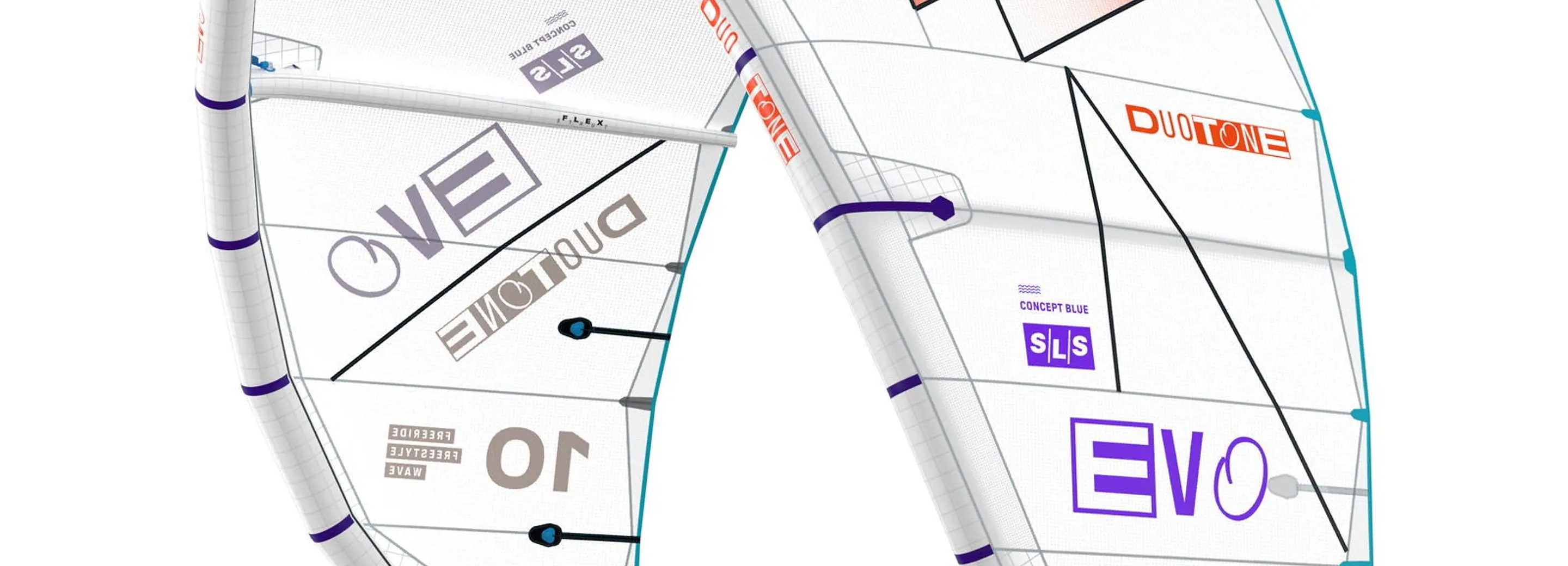
The Evo SLS is our go-to bar for riders who want precision and responsiveness without compromising depower. The SLS construction uses ultra-low-stretch Dyneema lines and a refined pulley system that translates every input directly to the kite. Whether you're freeride cruising or working on tricks, the Evo SLS strikes the perfect balance between safety and performance.
Cabrinha's Moto X is built for riders who want durability and forgiving control at a smart price. The Design Works construction balances responsiveness with comfort, making it ideal for intermediate riders exploring different kite bar line length options. Great versatility across wind ranges and kite sizes.
The Rebel is Duotone's freestyle and wave specialist. Shorter bar lengths (17-20m) give you the snappy, responsive feel that trick riders live for. SLS construction keeps weight down while maintaining precise control--perfect for sessions where every millisecond counts.
Common Mistakes to Avoid
That pro rider using a 17m bar with a 9m kite is probably weighing 85kg, riding in 18 knots, and has 10,000 hours on water. Your body weight, wind conditions, and experience matter far more than what looks cool in a video. Start with the beginner/intermediate length for your kite size and dial in from there.
A bar that doesn't let you depower at least 20% is a safety liability. Too many riders buy bars that look sleek but offer minimal depower, leaving them unable to release power in sudden wind spikes. Always test depower range before committing.
Spectra and Dyneema have different stretch characteristics. Using one Spectra line and three Dyneema lines creates uneven tension and unpredictable kite feel. Keep your four lines matched--always replace all four at once, and stick with the same brand.
A longer bar (22-24m) works beautifully in light wind but becomes exhausting and twitchy in strong wind. A shorter bar (17-19m) excels in power but requires more wind to generate lift. Choose how to choose kite bar line length 2026 based on your local wind window, not just your kite.
Even the best bar loses performance if lines aren't cared for. Salt, sand, and UV damage weaken lines over time. Rinse after every session, store out of sunlight, and replace lines every 1-2 seasons depending on use. A worn bar might feel longer or shorter than it actually is.
Ready to Find Your Perfect Bar?
Expert advice, authorized stock, ships across Europe within 24h. We'll help you match the right kite bar line length to your setup.