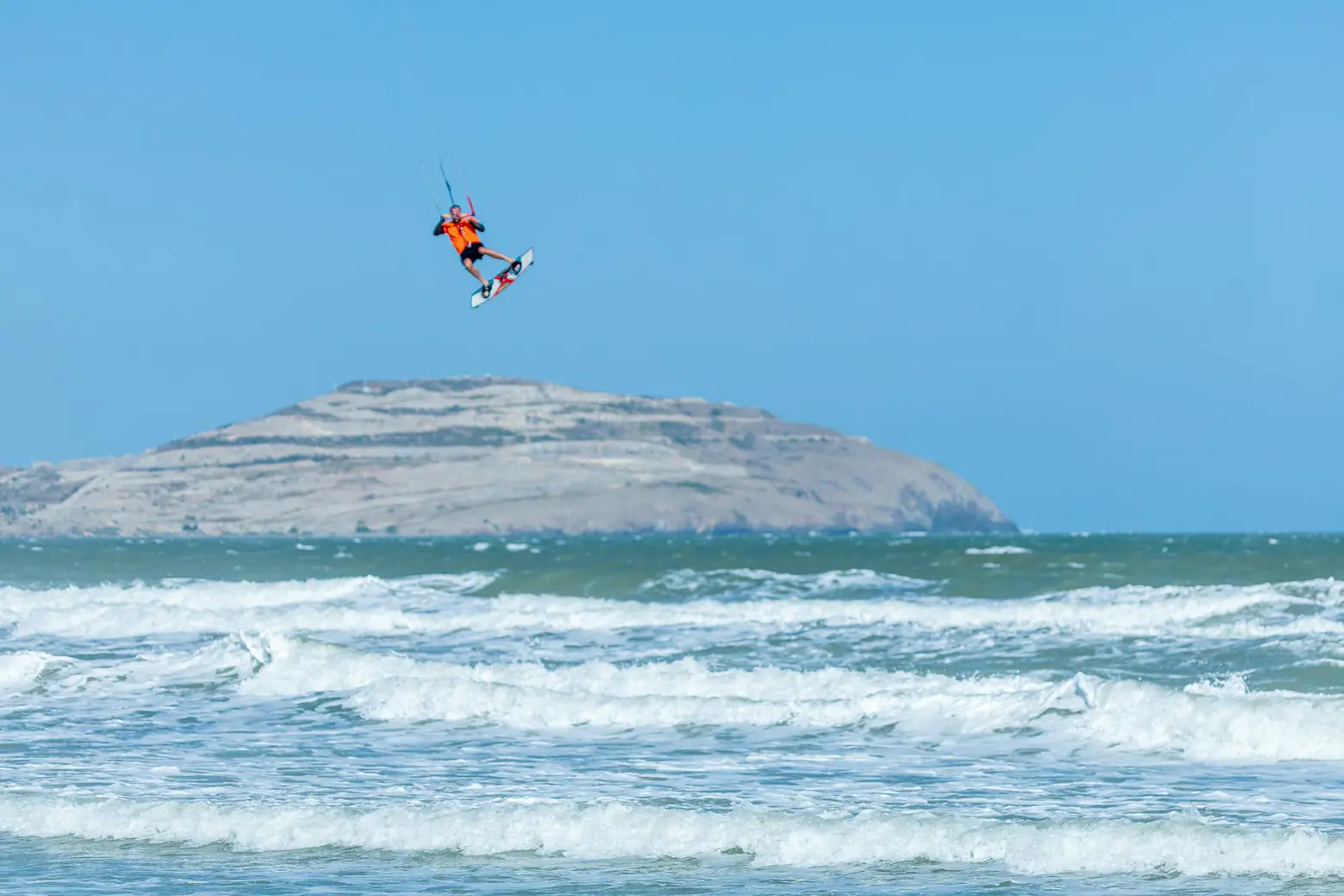
Kitesurfing Near Boats & Sailing Vessels — Safety Rules
Kitesurfing near boats isn't about hoping skippers spot you—it's about staying out of their way entirely. We'll walk you through the rules, the zones, and the split-second decisions that keep you safe.
Stay in marked kite zones, away from shipping lanes and anchorages. Scan constantly for vessel movement, wear bright colours, use a quick-release leash, and know your local maritime law. Most collisions are preventable with proper planning and respect for a boat's massive stopping distance—400+ metres for a motorboat, several kilometres for cargo ships.
01 — Physics & responsibilityWhy Boats Are More Dangerous Than You Think
A motorboat doing 20 knots can't stop in 50 metres. It can't stop in 100 metres. Try 400+. A cargo ship? Several kilometres. Your kite and board are invisible to their instruments, and by the time a skipper spots you, it's often too late.
This isn't about blame. It's about physics. A boat's momentum is relentless. Your job is to stay out of its path entirely—not to trust that they'll see you or take evasive action. We've shipped thousands of kites to riders across Europe since 2003, and the riders who've had close calls all say the same thing: "I thought they saw me." Don't gamble on that.
02 — Zones & planningReading the Water & Choosing Your Spot
Before you launch, scan the water for traffic patterns. Shipping lanes are marked on charts—download them or ask the local marina. Avoid anchorages where boats cluster. Look for a designated kite zone or a bay corner away from yacht moorings and ferry routes. Tarifa and Cape Town riders know this cold: the best wind often sits right where boats congregate. Resist it.
Once you're out, don't rely on your position. Boats change course. A skipper might turn directly toward you in the next 30 seconds. Keep your eyes up, not locked on your board. If a boat's heading your way—and you're uncertain—get off the water immediately. Swim to shore, pack your kite. A 9 m² or 12 m² might be tempting in a lull, but it's not worth a tonnage of hull.
03 — Our picksOur 4 In-Stock Picks for Safe, Controlled Riding
When you're near traffic, you need a kite that responds instantly to your input. We've picked four Duotone models in stock now—each one built for precision and quick depower, so you can bail or climb fast if a boat changes course.
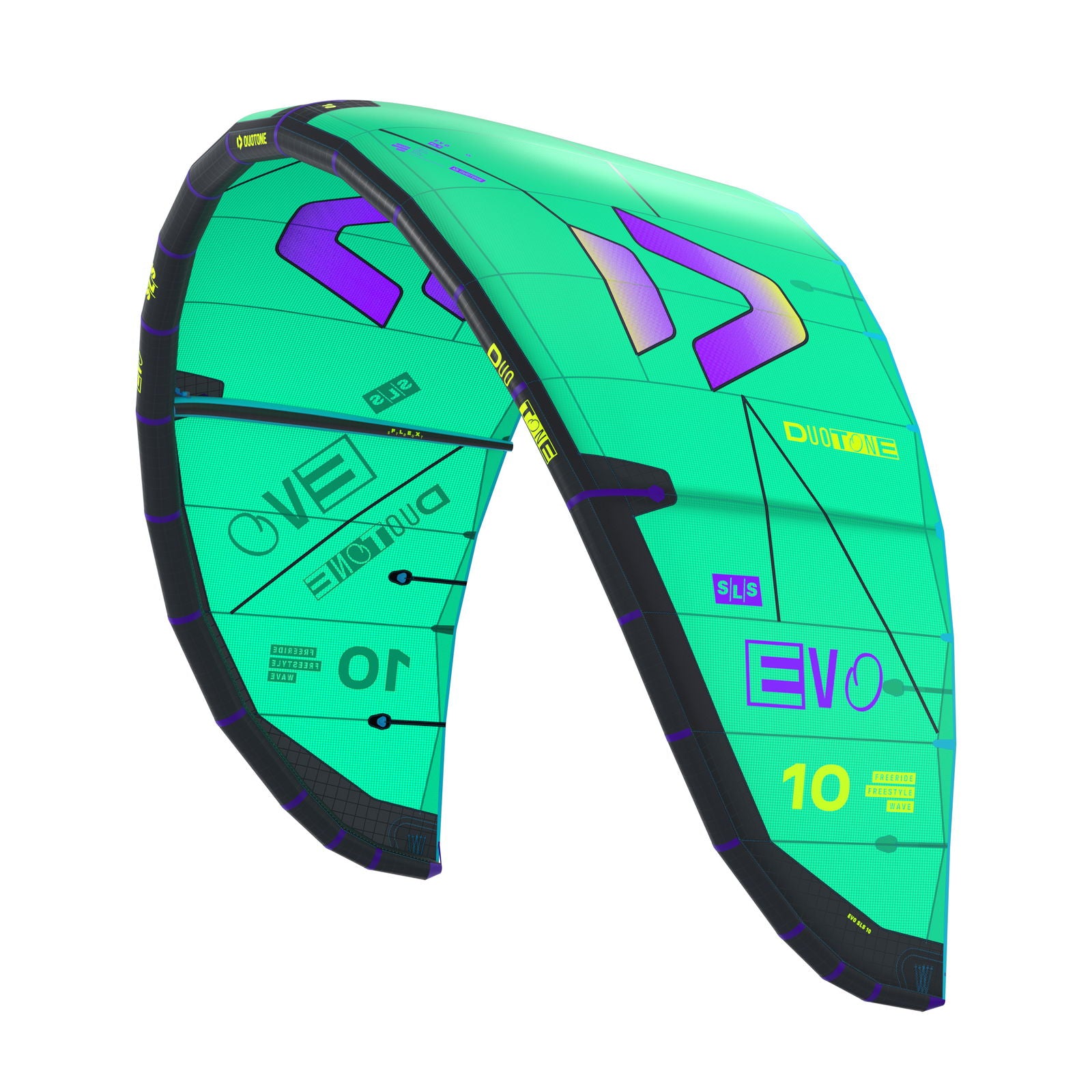
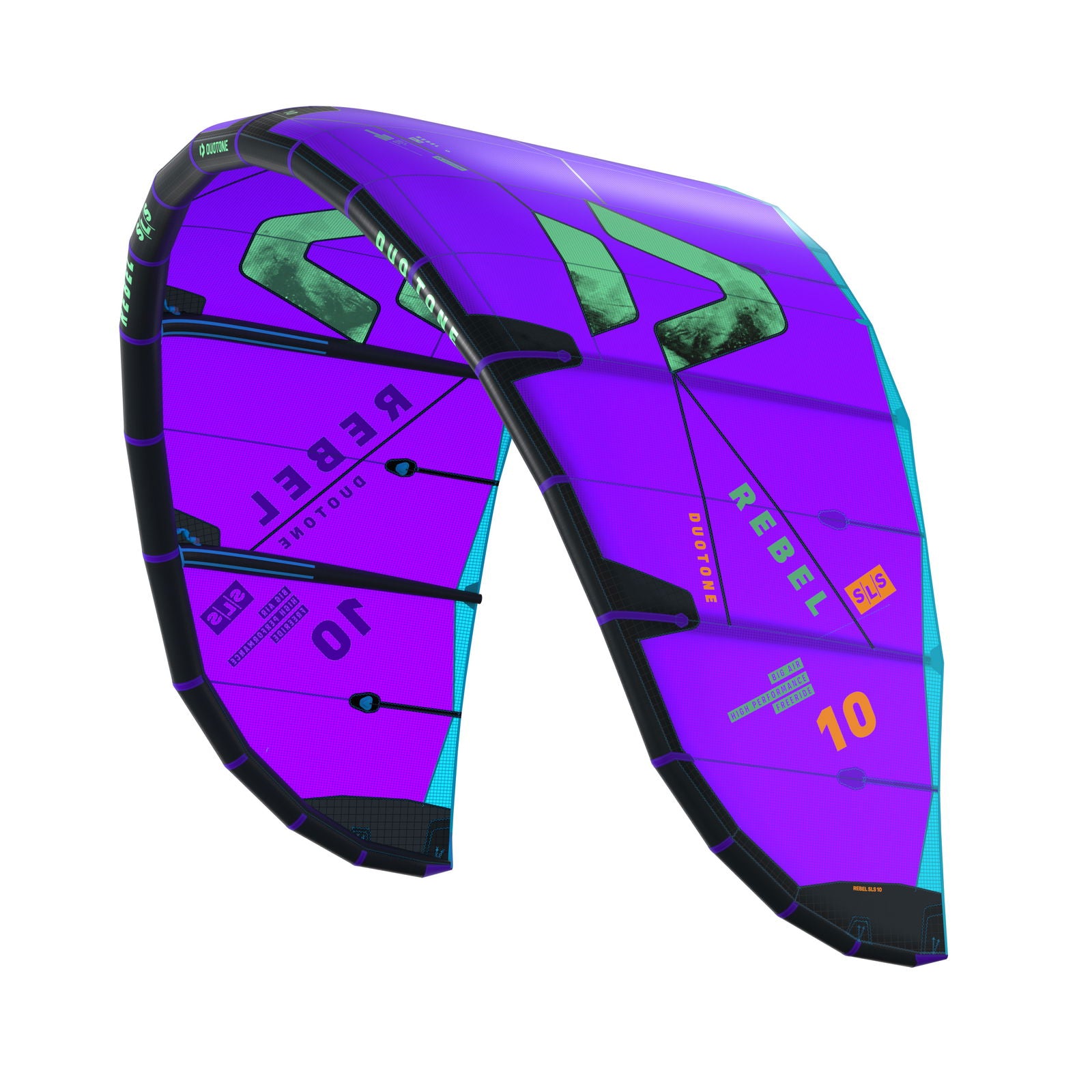
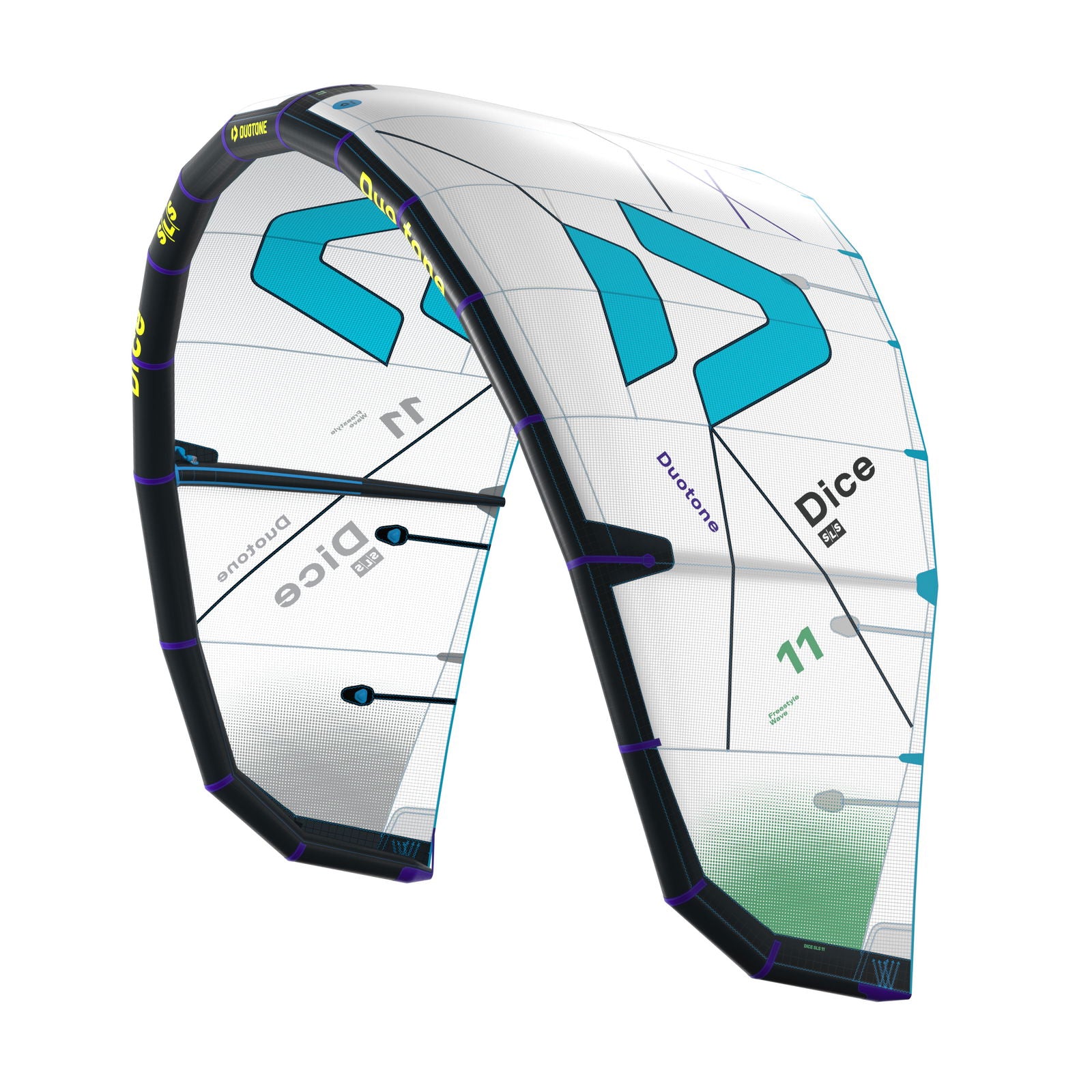
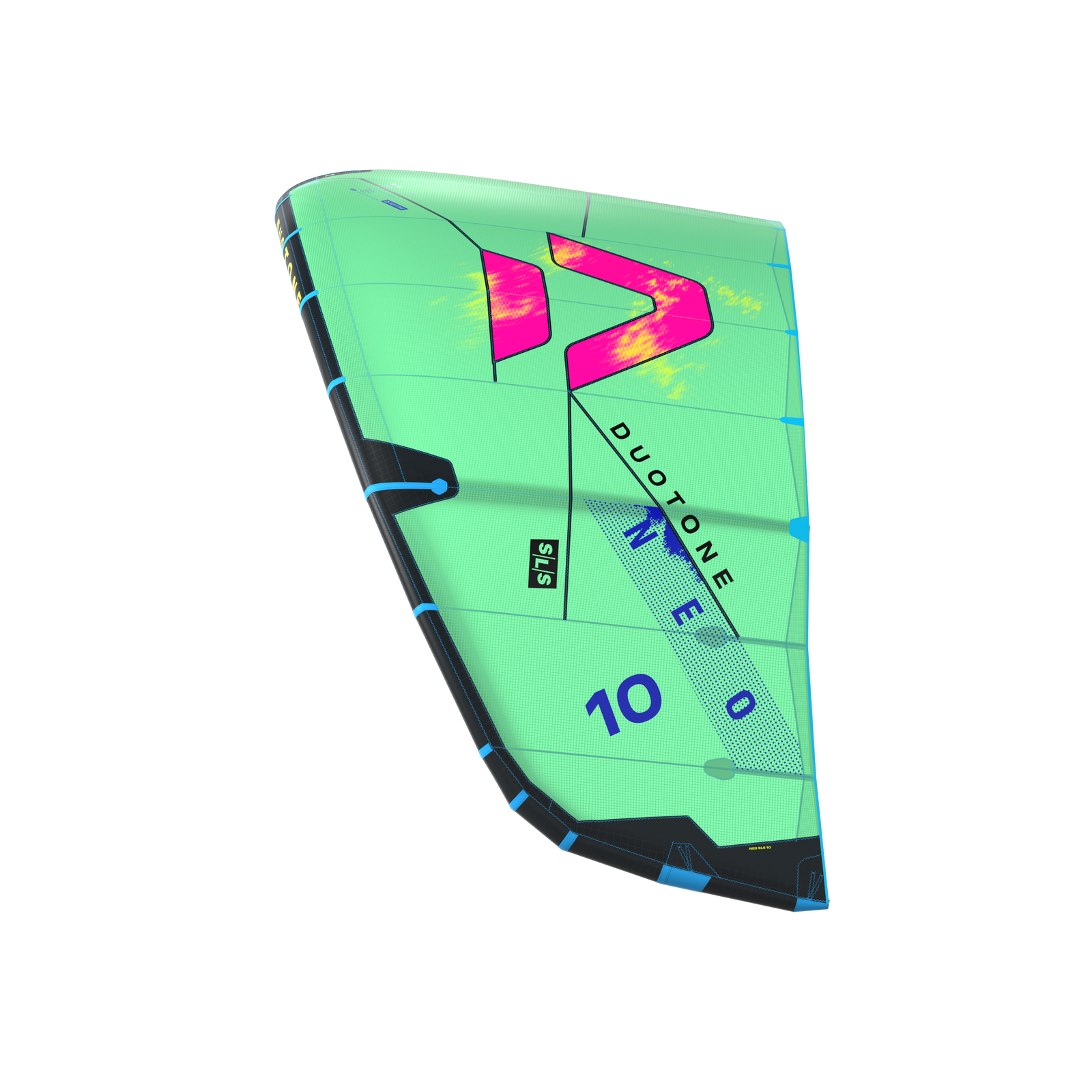
Prices and 2026 specs are pulled live from each product page. Confirm on the product page before checkout.
04 — MistakesThree mistakes we see every week
Ready to ride responsibly?
Browse our full range of responsive, safety-first kites in stock now, with guides for every condition and location.
Frequently asked
A 9 m² or 12 m² gives you better control and easier depower than a 17 m². Smaller kites are faster to steer and easier to ditch if needed. In 12–20 knots, a 12 m² is forgiving for beginners and still responsive in tight moments.
No. Boats have the right of way. You are the smaller, more manoeuvrable object—act like it. Get out of their path, even if you think you're in a designated zone.
Absolutely not. Cargo ships and ferries move on fixed routes and schedules. Even if the lane looks clear now, a vessel could appear in minutes. Stick to marked kite zones or bays well away from commercial traffic.
Exit the water immediately. Get your kite depowered, swim to shore, and pack up. Don't try to outrun or outmanoeuvre a boat—you'll lose that bet every time.