Kitesurfing Near Boats & Sailing Vessels — Safety Rules
Kitesurfing near boats isn't about hoping skippers spot you—it's about staying out of their way entirely. We'll walk you through the rules, the zones, and the split-second decisions that keep you safe.
Stay in marked kite zones, away from shipping lanes and anchorages. Scan constantly for vessel movement, wear bright colours, use a quick-release leash, and know your local maritime law. Most collisions are preventable with proper planning and respect for a boat's massive stopping distance—400+ metres for a motorboat, several kilometres for cargo ships.
01 — Physics & responsibilityWhy Boats Are More Dangerous Than You Think
A motorboat doing 20 knots can't stop in 50 metres. It can't stop in 100 metres. Try 400+. A cargo ship? Several kilometres. Your kite and board are invisible to radar and nearly invisible to a wheelhouse 10 metres above the water. That skipper isn't being rude—they genuinely can't see you, and they can't swerve.
You're the manoeuvrable one. That's your advantage and your responsibility. A 12 m² kite gives you the control to change direction fast. A quick-release leash lets you abandon your board in seconds. But only if you're watching and thinking ahead. Wear a bright rashguard or buoyancy aid. Assume every boat is headed straight for you until you've watched it pass.
02 — Navigation & zonesReading the Water & Choosing Your Spot
Before you launch, scan the entire bay. Look for shipping lanes marked on your local chart—they're not suggestions. Avoid anchorages where yachts sit waiting for wind. Check tide and current: a boat anchored upwind might swing into your zone as conditions change. Many spots have legal kite zones painted on the beach or marked by buoys. If they exist, use them. If they don't, ask the local club or harbour master where riders actually go.
Wind direction matters too. If wind pushes you toward shipping lanes, pick a different day or a different beach. Don't fight geography. On the water, maintain constant 360° awareness—not paranoid checking, but rhythmic scanning every 20–30 seconds. The moment you see a boat's nose point toward you, don't assume they'll correct course. Move. A 9 m² or 12 m² kite in 14 knots gives you enough power to accelerate away fast.
03 — Our picksOur 4 In-Stock Picks for Safe, Responsive Riding
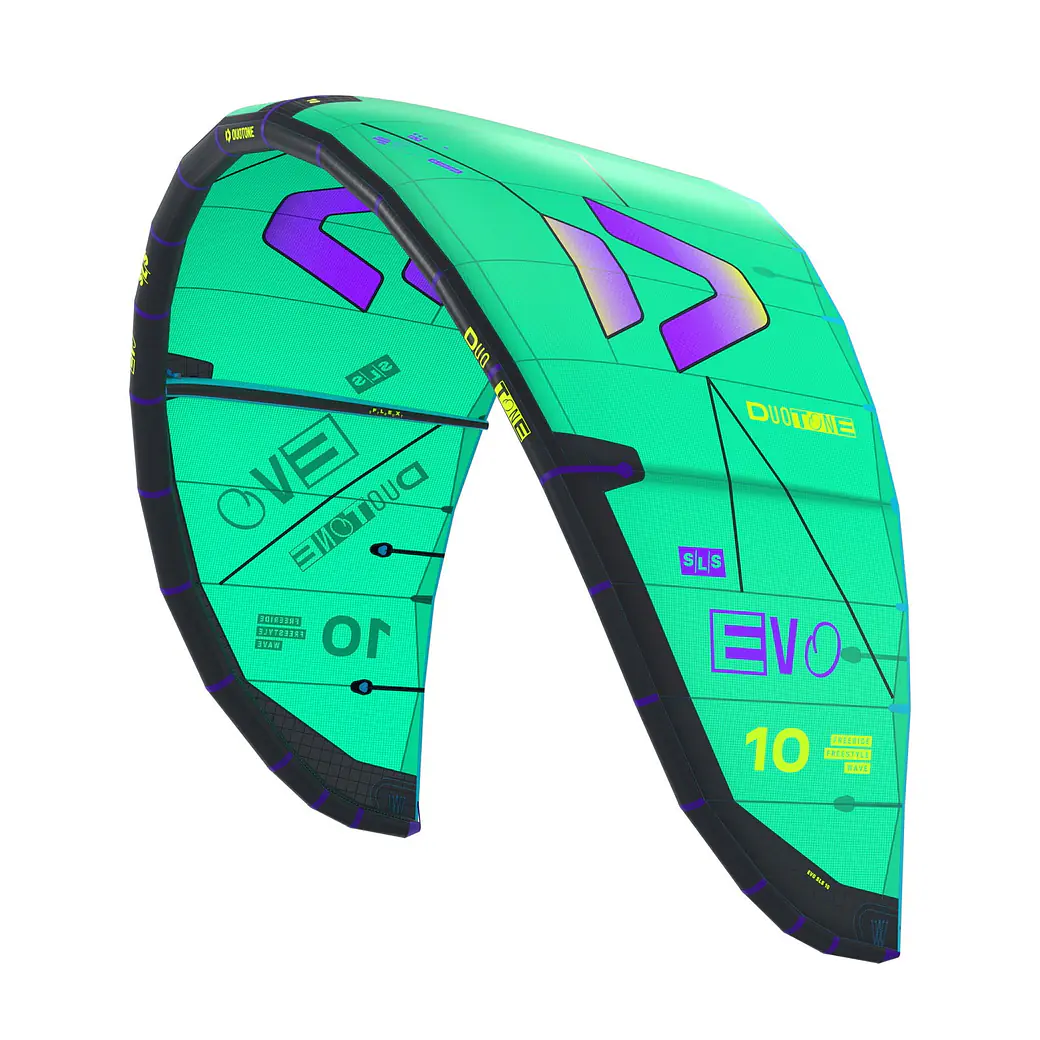
When you're riding near traffic, you want a kite that responds instantly to your input and stays stable in choppy, turbulent air pushed off hulls and breakwaters. All four of these Duotone 2026 models deliver that precision.
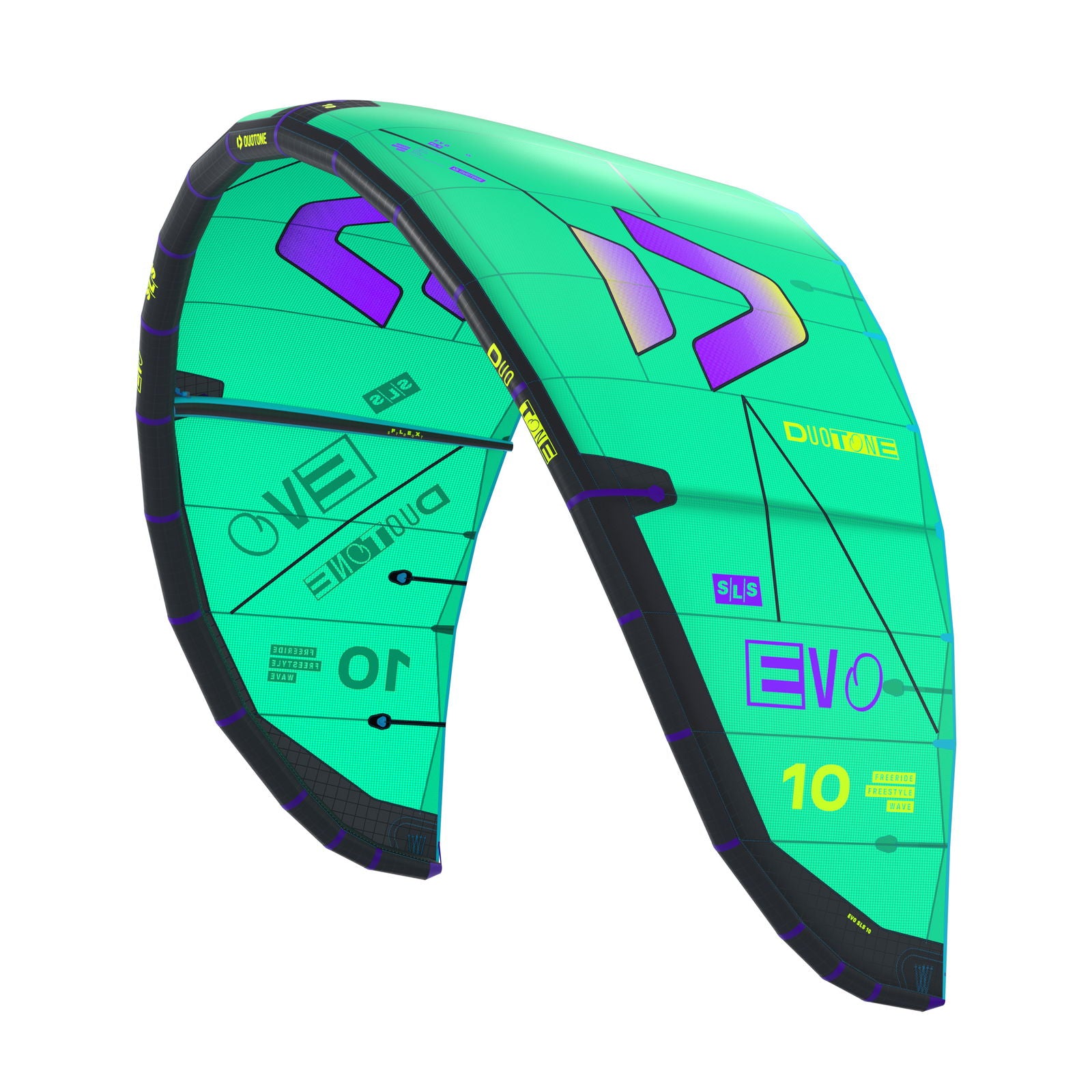
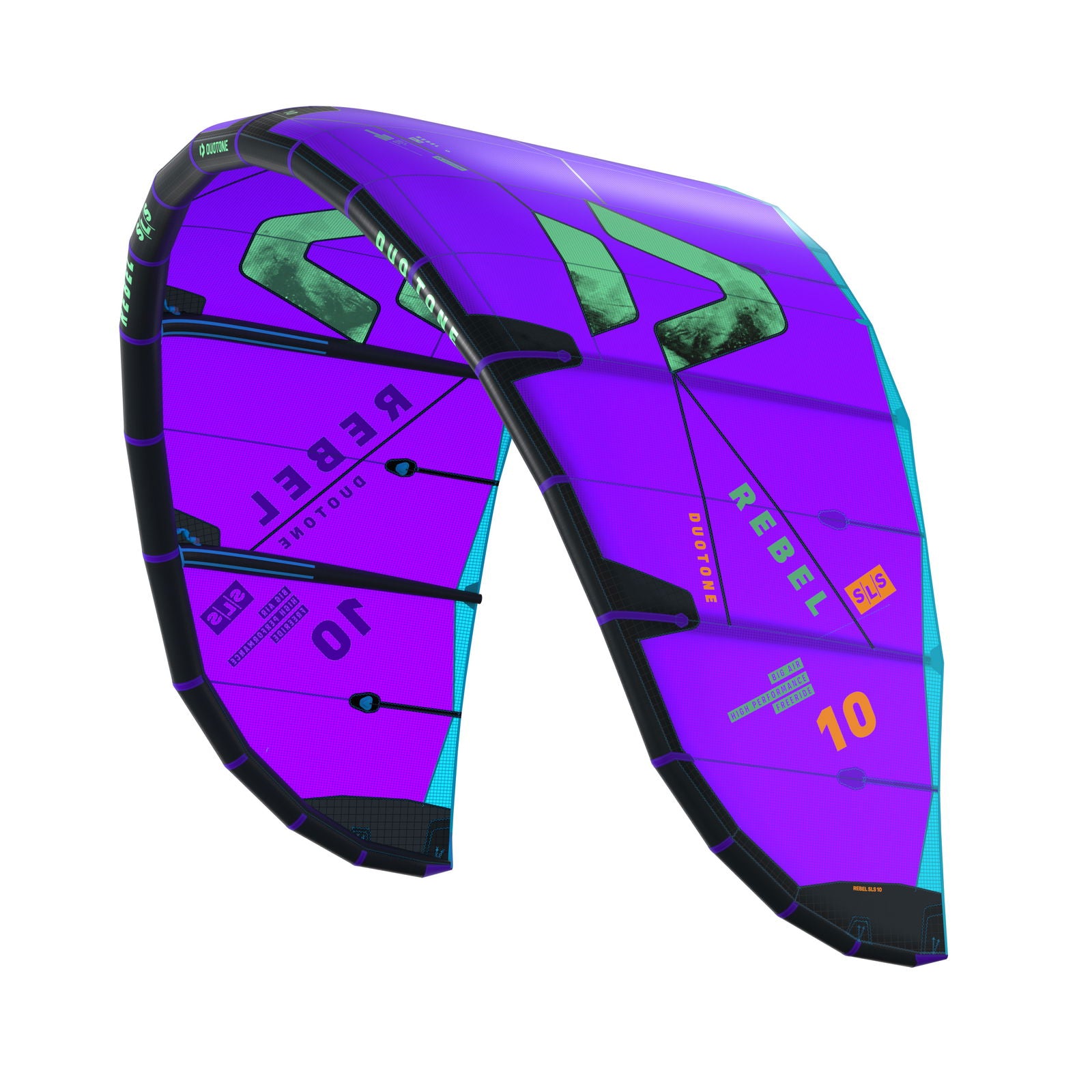
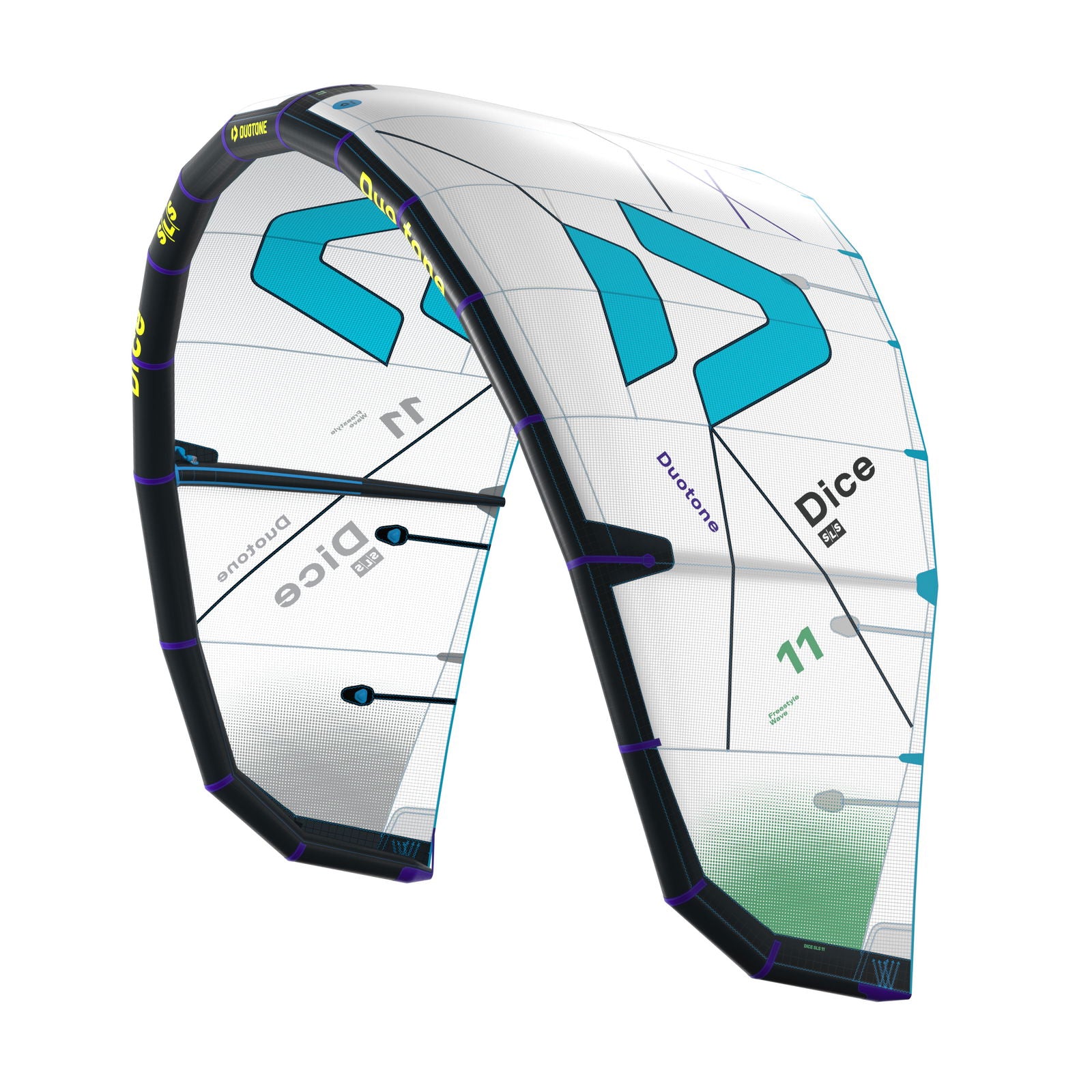
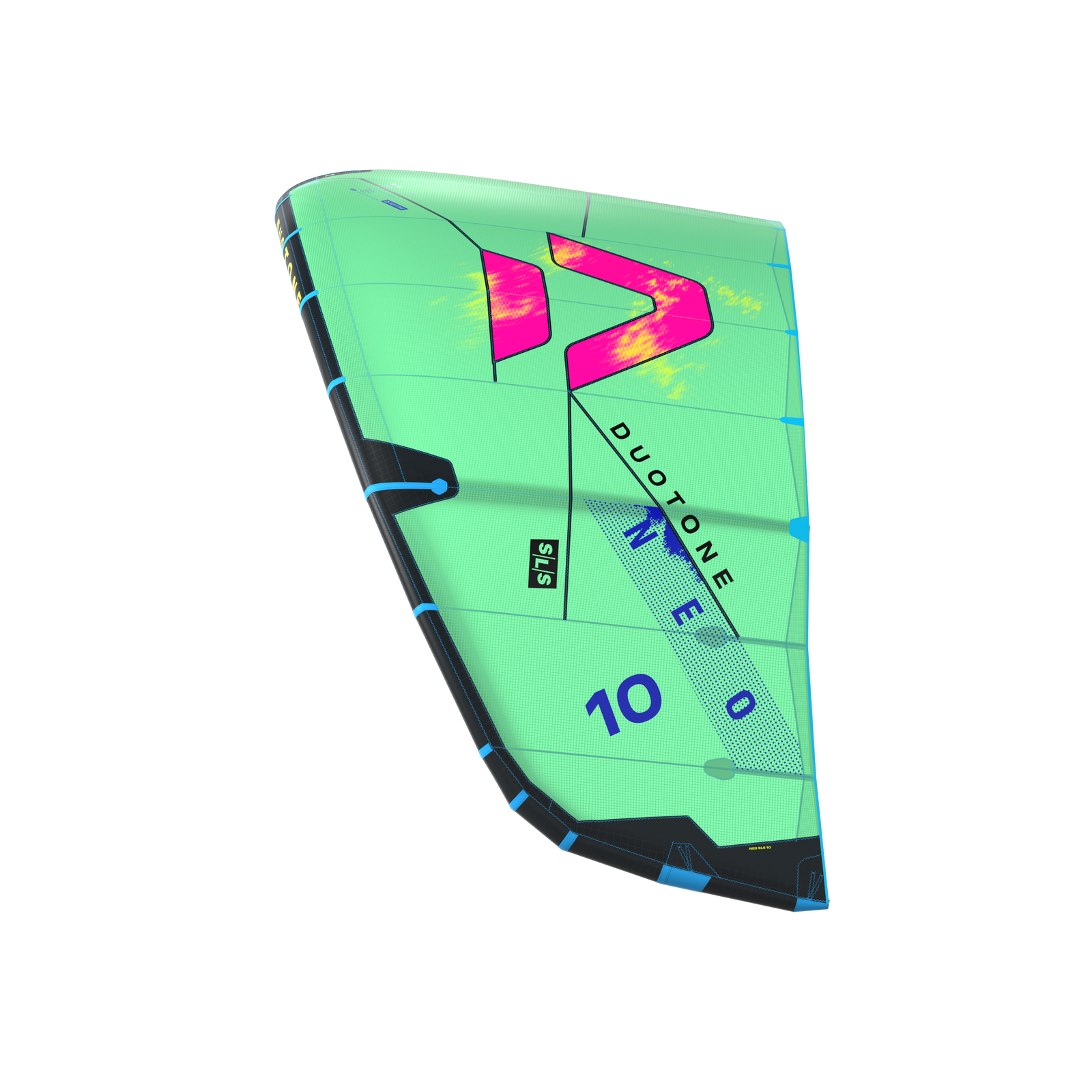
Prices and 2026 specs are pulled live from each product page. Confirm on the product page before checkout.
04 — MistakesThree mistakes we see every week
Ready to ride safely?
Browse our in-stock Duotone, Cabrinha, and Gaastra kites—built for control when you need it most.
Frequently asked
A 9 m² or 12 m² in 12–18 knots gives you speed and manoeuvrability without overpower. You need to move fast if conditions demand it. Bigger isn't better here—control is.
Check your local maritime authority or harbour master—rules vary by region. Most mark kite zones specifically to separate riders from traffic. Use them. If none exist, ask.
A quick-release system you can activate with one hand in under 2 seconds. Practice on the beach until it's muscle memory. Your board isn't worth your life.
Yes. Narrow channels, busy anchorages, and shipping lanes are no-go zones. If you can see a dozen boats, go elsewhere. There are always calmer, quieter spots nearby.