
Kitesurfing Sylt Germany — North Sea Spot Guide 2026
Why Sylt, Germany Is Worth the Trip
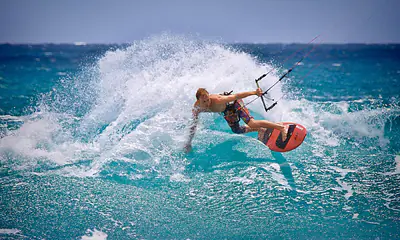
Sylt is Germany's answer to serious wind sports. Sitting at the northern tip of Schleswig-Holstein, this barrier island juts into the North Sea with an exposed western coast that catches Atlantic swells and consistent trade winds. The shallow waters, wide beaches, and protected lagoons make it ideal for both kitesurfing and windsurfing--whether you're learning or pushing your limits. Unlike crowded Mediterranean spots, Sylt offers genuine solitude and raw German efficiency: clean facilities, excellent cafés, and respected local communities that take their wind sports seriously.
What sets Sylt apart is its dual-season appeal. Spring and autumn bring the strongest, most gusty winds (18-25 kts) perfect for wave riding and freestyle, while summer offers thermal thermals and steadier breezes for all-day freeriding. The island's infrastructure is world-class--multiple shops, schools, and accommodation within walking distance of the water. Water temperatures range from chilly (8°C in winter) to tolerable (16°C by August), so a proper wetsuit is non-negotiable. Most sessions last 3-5 hours before either wind drops or fatigue wins.
Best Spots & Getting There
- Keitum Bay (Keitumer Bucht) -- The workhorse spot. Shallow lagoon, sand bottom, perfect for learners and intermediate kiteboarders. Protected from big swells, often 4-6 feet chop. West-facing, catches afternoon thermals. Parking and school facilities on-site.
- Westerland Beach -- The main windsurfing hub. Bigger waves (4-8 feet in swell), stronger currents, and more dramatic wind shifts. Better for intermediate+ riders. Restaurants and shops walkable from the beach. Can get crowded on weekends.
- List West -- Sylt's premier wave spot. Exposed to full Atlantic swell, strongest winds (often 20+ kts), reef breaks nearby. Advanced only. Minimal facilities, rugged atmosphere. Winter swells are legendary.
- Rantum Lagoon -- Flatwater paradise on the east side. Ultra-shallow, sandy, perfect for freeriding and progression. Less wind than the west coast, but ideal for light-wind days (10-14 kts). Family-friendly vibe.
- Getting There -- Fly into Hamburg (3 hours by car) or take the train/causeway. Sylt has an airport (Westerland) with connections from Berlin and Hamburg. Parking at beaches is paid but plentiful. No visa needed for EU citizens.
Wind & Weather by Season
Month Avg Wind (kts) Direction Conditions Rating January-February 16-22 W-NW Cold, big swells, icy water. Hardcore season. ⭐⭐⭐⭐⭐ March-April 14-20 SW-W Spring storm systems, variable swell. Windy & fun. ⭐⭐⭐⭐⭐ May-June 11-16 W-NW Milder, thermal winds, small swell. Good learner season. ⭐⭐⭐⭐ July-August 10-14 NW-N Lightest winds, warm water (15-16°C). Flat spells common. ⭐⭐⭐ September-October 15-22 SW-W Autumn swells return, strong & consistent. Best overall. ⭐⭐⭐⭐⭐ November-December 16-24 W-NW Winter storms, huge swell, cold (9-10°C). Wave riders' dream. ⭐⭐⭐⭐⭐What Gear to Bring
Start-Up Setup
A 5mm winter wetsuit (or 3/2mm for summer), 14-17m beginner kite (forgiving wave shape), twin-tip board (120-140L), or wide freewave board (100L+) for windsurfing. A 4.5-5.5m sail if windsurfing. Helmet and impact vest non-negotiable in North Sea conditions.
Wave & Freestyle Arsenal
3-4 kites (9, 12, 15, 17m) for wind range. Wave boards (50-60L) with footstraps and high rocker. Windsurfing: 3.5-5.5m performance sails, wave or freestyle boards. 4/3mm or 5/4mm winter suit. Booties for rocky breaks. GPS watch for safety. Assume you'll go out 4-5 times per week.
Windsurfing & Kitesurfing Essentials for Sylt 2026: The North Sea is cold year-round. A 5/4mm winter wetsuit is your best friend from November to March; 4/3mm works spring/autumn. For windsurfing, the Duotone E_Pace is a rock-solid intermediate sail that thrives in Sylt's 14-20kt typical range--forgiving in gusts, drives hard in light air, and perfect for the lagoon-to-beach transitions you'll do all day.
The E_Pace is Duotone's workhorse for Atlantic conditions. Predictable handling, lightweight construction, and the durability to handle Sylt's casual bash-and-go sessions. Excels in the 14-20kt sweet spot and forgives sloppy jibes in chop.
If you prefer a more aggressive, responsive sail for wave sailing at List West or Westerland, the Duotone Duke SLS 2025 is purpose-built for 15-25kt wind and delivers snappier turning and wave-specific feedback.
Duotone's wave-focused mid-size sail. Efficient in strong wind, responsive in transitions, and built for the Atlantic chop and swell you'll face. SLS construction keeps it light--critical for tiring days or loop attempts in choppy Sylt waters.
Rent or Buy? Advice from Surf Store
Renting is smart for your first Sylt trip. Sylt has excellent rental shops (List, Keitum, Westerland all have fleets), and rental gear is maintained to North Sea standards--reinforced, robust, and reliable. You'll spend €30-50 per day for a board and sail or kite. This lets you trial different sizes and styles before committing money. Local schools (Sylt Kitesurf, Windsurf Station Westerland) offer rental packages with tuition, which accelerates learning and builds confidence in cold water.
Buy once you know your home setup and plan return visits. If you're coming back 3+ times per year or live within driving distance (e.g., Hamburg, Amsterdam), owning a quiver saves money and lets you dial in your kit. A solid beginner windsurfing setup (mid-range sail + board) costs €1,200-1,800; a three-kite kitesurfing quiver runs €2,000-3,500. We stock Duotone, Cabrinha, JP Australia, and Tabou--all proven in Northern European conditions. Buy local, buy tested. Our EU shipping means your new sail or board arrives in 24 hours, ready for your next trip to Sylt.
Ready to Gear Up for Sylt?
Expert advice on sails, boards, and kites proven in North Sea conditions. Authorized stock ships across Europe within 24h.