
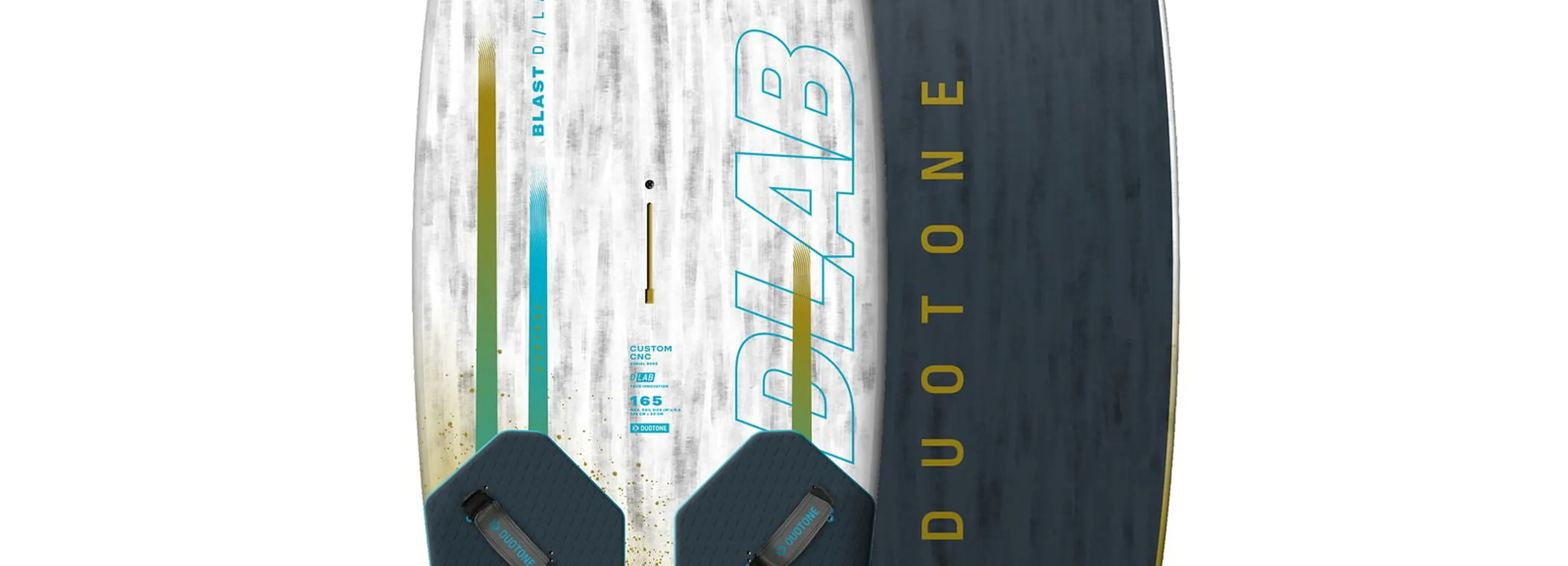
Lightest Windsurf Boards 2026 — Carbon Construction Guide
The lightest windsurf boards in 2026 are built entirely in carbon or carbon-hybrid layups, with modern freewave designs weighing between 4.2 and 5.2 kg depending on size. These boards sacrifice nothing in performance--faster acceleration, quicker turns, and less fatigue--but demand confident technique and proper wave conditions. If light weight is your priority, carbon freewave boards are the only choice.
The Full Answer
Windsurf board weight is determined by three factors: construction material, volume/size, and design complexity. In 2026, manufacturers have refined carbon layup techniques to the point where high-end freewave boards can weigh as little as a modern kiteboard--yet deliver real wave control and hold in chop.
The lightest boards you'll find fall into two categories. First are ultra-lightweight freewave boards (75-95 litres) built with full or near-full carbon skins, often D/LAB (Design Laboratory) constructions that use aerospace-grade materials. Second are foiling boards, which by their nature sit higher in the water and need less overall mass. A typical 75L freewave board weighs 4.2-4.8 kg; an 85L sits around 5.0-5.5 kg.
Why does weight matter? Every kilogram you save translates to quicker pop-ups, snappier carves, and reduced arm fatigue in longer sessions. On marginal days, a light board lets you catch more waves. In stronger winds, the lower inertia means easier wipeouts and recovery. However, lighter boards are more technical to ride--they're less forgiving in poor technique and demand better wave sense.
The trade-off is durability. Carbon is stiff and fast but can crack if you land hard or impact rocks. Epoxy-carbon hybrids offer slightly better impact resistance for a few grams extra weight. If you sail mostly in waves with rocks or sharp reefs, a mid-weight carbon-PVC board is a smarter choice than maximum lightness.
Practical Guide
- Check the construction spec -- Always ask whether a board is full carbon, carbon-PVC hybrid, or epoxy-carbon. Full carbon is lightest; hybrids gain 300-500g but last longer.
- Match volume to your weight -- A 75L board is light but only floats a 60-75 kg rider comfortably. A 90L suits 75-85 kg. Too little volume and you'll sink it on flat sections.
- Weigh before you buy -- Don't assume all 85L boards weigh the same. A D/LAB carbon board may be 4.9 kg; a standard PVC version 5.8 kg. Request the spec sheet from your supplier.
- Test on your home break -- Lightweight boards require technique. Rent or borrow a light carbon freewave board for a session first to confirm it suits your style.
- Store it indoors -- Carbon degrades in UV. Use a board bag and keep your lightweight investment safe from sun and heat.
- Invest in repair supplies -- Carry a small epoxy patch kit. A lightweight carbon board can be repaired quickly if it cracks, but only if you act fast.
Common Mistakes
A 4.3 kg board is useless if you can't float it or control it in your local conditions. Lightweight boards are niche--confirm it matches your weight, skill, and the waves you actually sail.
A 75L carbon board is light but small; an 85L carbon board weighs slightly more but gives you float on weaker days. Focus on volume first, then choose the lightest construction at that volume.
Full carbon skins are stiff and fast but brittle. Carbon-epoxy hybrids or carbon-PVC cores add impact resistance. If your break has rocks, the 300g weight penalty is worth the durability gain.
Carbon boards are expensive and delicate. Skipping board bag storage or ignoring small dings leads to water ingress, delamination, and a ruined investment within one season.
Surf Store Recommendation
In 2026, the lightest windsurf boards come from D/LAB ranges--Duotone's premium carbon-construction program. The Duotone Ultra FreeWave 2025 is engineered for minimal weight without sacrificing wave control, making it the go-to choice for riders chasing that feather-light feel. Paired with a modern freewave sail like the Duotone F_Pace or F_Pace Cam, you'll have a setup that rewards technique and delivers genuine performance gains.
If you're also considering foil-board options, the Duotone Falcon_Foil D/LAB 2025 is one of the lightest boards we stock--foil boards sit higher in the water and need less total mass, while carbon construction keeps them feather-light for easy manoeuvrability and faster response.
Purpose-built lightweight freewave board with full carbon construction. Fastest acceleration in its class, responsive in choppy conditions, minimal fatigue on long sessions. For confident intermediate+ riders seeking maximum performance per kilogramme.
Ultra-lightweight foil board with full carbon skin and advanced core materials. Sits higher in the water, needs less ballast, feather-light response. Ideal if you want the absolute lightest board and foiling performance matches your ambitions.
Ready to Lighten Your Load?
Expert advice, authorised Duotone stock, and ships across Europe within 24h. Test our lightweight freewave boards before you commit.