Kitesurfing the Meltemi — Greek Islands Wind Guide
Understanding the Meltemi Wind
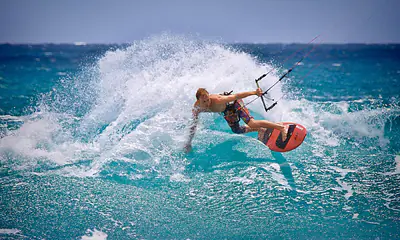
The Meltemi is not just wind--it's a legend across Greece and the Aegean. Born from the thermal difference between the hot Mediterranean landmass and cooler northern Atlantic air, this northerly system dominates from June through September, delivering consistent, powerful conditions that have made Greece a world-class kitesurfing destination. Unlike chaotic sea breezes that gust and die, the Meltemi builds steadily through the morning and holds strong until sunset, giving you predictable, reliable riding windows.
What makes the Meltemi unique for kitesurfing is its consistency and strength. While it can reach 30+ knots on big days, it rarely produces the erratic, turbulent gusts that make other thermal winds treacherous. The wind is clean, laminar, and offshore in many popular Greek spots, meaning smooth water and room to hunt tricks. However, the Meltemi is not a beginner's wind--it demands respect, proper gear sizing, and solid technique. Underestimate it, and you'll be swimming. Master it, and you'll experience some of Europe's finest kitesurfing.
Best Gear for the Meltemi
Bigger Kite + Comfort Board
Start with a 14m kite and a directional or light freeride twintip. The wind is still manageable, but respect it--don't undersize. Intermediate riders should use a 12m. Pick a board with forgiving float and stability; you'll want feedback without fighting the board.
Aggressive Setup
Drop to 9m or 10m kite paired with a lightweight freestyle or aggressive wave board. At these speeds, control is everything--smaller kites respond faster to hand movements. Use a stiff board designed for hold and edge pressure. This is expert territory; respect the power and always have an exit strategy.
The Evo SLS is built for heat like the Meltemi--smooth, responsive bar feel across the entire wind range, and predictable power delivery when gusts arrive. Use 14-17m in the lighter end (15-18 kts), drop to 10-12m for mid-range, and go 9m when things get serious. The Evo forgives small errors and rewards clean technique, making it the perfect all-round platform for learning Meltemi consistency.
The Nitro Apex is a precision instrument designed for demanding riders in high-wind zones. Apex TX construction keeps the kite light and responsive even in strong gusts, crucial for Meltemi's sustained pressure. The bar feel is crisp, and recovery is instant. Ride 12-14m in lighter sessions, and trust the 9-10m for when the Meltemi bares its teeth.
Technique Tips for Meltemi Kitesurfing
- Launch into the wind. The Meltemi comes from the north (in most Aegean spots). Always launch on the beach facing the wind direction, with spectators well behind you. A powerful northerly can flip an unattended kite like a toy--secure it always.
- Build bar pressure gradually. Don't dump power suddenly in strong Meltemi gusts. Use smooth, controlled hand movements to manage the kite in the window. Jerky inputs risk a catapult or loss of control. The Meltemi rewards finesse over aggression.
- Stay out of the shallows. Shallow water and light gusts near shore create turbulence and pressure drops. Launch in deeper water and ride out beyond the break. The Meltemi is strongest 100m+ offshore--cleaner, more consistent, and safer for learning.
- Use the thermal window. The Meltemi builds between 11 a.m. and 3 p.m., peaks in late afternoon, and can drop at sunset. Plan your session for mid-afternoon when the wind is strongest and most stable. Morning and early evening are weaker--dial up the kite size if you go early.
- Practice upwind positioning. The Meltemi blows straight through many Greek islands, meaning limited land space and long, consistent beach runs. Work on your upwind angle--you'll need clean technique to hold position and avoid being blown downwind into obstacles.
Safety Checklist for the Meltemi
The Meltemi is deceptive--it feels manageable at first, but gusts can spike 10+ knots in seconds. Oversizing by one size gives you margin for error and lets you land safely if things get hairy. A 12m rider in 18 kts should ride 14m; you'll feel more in control, not less.
Greek beach breaks can have rocky shelves or sudden drops. Check tide times and spot conditions before you go. The Meltemi can blow you hard into obstacles or off-shore currents--know your exit routes and always have an upwind escape plan.
Afternoon Meltemi can kick up dust and spray near shore. Stay visible--bright board, bright kite, and a helmet are non-negotiable. Other boats and jet skis operate in the same waters; assume they cannot see you.
The Meltemi's sustained pressure will destroy a compromised kite. Inspect your gear regularly: check bridles, zips, leading edge integrity, and bar lines. A torn seam or loose bridle knot can snap under Meltemi gusts and leave you bodydraging.
Our Gear Recommendations at Surf Store
We've ridden the Meltemi across Greek islands for two decades, and we know what separates good days from survival stories. The kites below are proven performers in sustained thermal conditions--they forgive mistakes, respond cleanly to input, and will last through repeated Meltemi seasons without fatigue.
The Rebel is the workhorse for Meltemi conditions--tough, predictable, and forgiving. It excels in the 18-25 kt window where most riders find themselves. Great bar feel, instant feedback, and a price that won't destroy your budget. Pair a 12m with any modern twintip for all-round Meltemi riding.
The Switchblade is the athlete's answer to the Meltemi. Penta TX construction stays responsive even when wind stacks pressure, and the turning radius is aggressive. Ride 13-14m in light Meltemi, drop to 11m for solid heat, and go 10m when it's properly mental. Built for progression and tricks in consistent wind.
Ready to Ride the Meltemi?
We stock premium kites and boards built for Greek thermal conditions. Expert advice, fast EU shipping, and 30-day returns on every order.