Trade Wind Kitesurfing — Why It Is So Good
Understanding Trade Winds for Kitesurfing
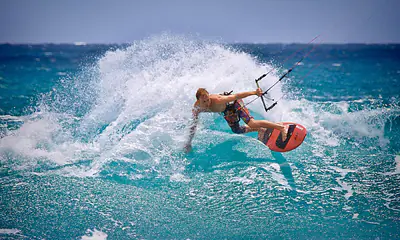
Trade winds are the engine of kitesurfing in the Canary Islands and Fuerteventura. These reliable northeast to easterly winds blow consistently across the Atlantic, particularly from spring through autumn, and deliver 12-25 knots on most days. Unlike localised thermal winds or unpredictable European weather systems, trade winds are persistent, predictable, and forgiving--making them ideal for building hours on the water and perfecting your technique.
In Fuerteventura, the trade wind corridor funnels between the African mainland and the island itself, creating steady pressure systems that rarely drop below 10 knots. Early morning sessions are often glassy with lighter conditions (12-16 kts), while midday brings consistent 16-22 knot gusts. Afternoon swell wraps around the island's eastern and western shores, creating choppy water and occasional dumpy beach breaks--conditions that separate progressive riders from learners. The wind typically eases in winter, but it rarely disappears entirely; this is what keeps Fuerteventura packed with kitesurfers all year.
Best Gear for Trade Wind Kitesurfing
Lighter-Wind Setup
In early morning glassy sessions or winter lulls, you'll want a larger kite (14-17m) paired with a stiff, high-volume twintip board. This setup maximises power generation when the trade wind is subdued. Aim for boots or straps with good security--lighter wind means more riding time, so comfort matters.
High-Wind & Wave Setup
Midday gusts and afternoon sea state demand smaller kites (7-12m) and narrower, lower-volume boards--often wave kites and wave boards that handle chop, pressure, and edge control. Trade wind gusts can surprise you; a responsive, smaller kite keeps you stable when the wind jumps 5 knots in seconds.
Trade wind kitesurfing thrives with a quiver approach. The consistent 12-25 knot band means you'll ride the same spots in radically different conditions week to week, so owning a medium-wind kite (11-14m) and a high-wind option (7-10m) is the sweet spot.
The Evo SLS is a true all-rounder for trade wind zones. Its mid-range sweet spot (11-14m sizes) excels in the consistent 14-20 knot trade wind core. Responsive bar pressure, smooth relaunch, and intuitive power delivery make it equally at home in light glassy mornings or gusty afternoon sessions across Fuerteventura.
Built for exactly this scenario--steady, repeatable wind with occasional gusts. The Drifter's stability in choppy trade wind chop and forgiving bar feel make it a favourite among riders who log long hours in Canary Islands spots. Pair a 14m with a twintip for morning sessions, or drop to 11m as the afternoon wind picks up.
Technique Tips for Trade Wind Kitesurfing
- Respect the chop -- Trade winds across open water create short, steep chop. Attack it head-on with bent knees; stay compact and let your board absorb impact rather than fighting it.
- Master the gust window -- Afternoon trade wind gusts spike suddenly. Keep your kite centered in the power zone, and learn to edge aggressively when the wind jumps 4-5 knots.
- Use your kite for float -- Lighter morning trade winds reward riders who keep the kite active and slightly depowered. Trim your bar forward to feel the wing better; you'll glide longer between gusts.
- Plan your sessions by time -- Early dawn: lighter, glassier (12-16 kts). Mid-morning to lunch: peak wind (16-22 kts). Afternoon: choppy, gusty (18-25 kts, variable). Choose your session goal and kite size accordingly.
- Protect your relaunch -- The consistent northeast trade wind means your launch beach is almost always the upwind shore. Practice efficient relaunch on land; you'll spend less energy fighting the wind.
Safety Checklist for Trade Wind Conditions
Trade wind gusts can jump 8-10 knots in seconds. A 16 knot session becomes 24 knots instantly. Always carry a smaller kite as backup, and don't push your limit kite in afternoon sessions.
Fuerteventura's chop often builds perpendicular to the trade wind direction, creating a messy cross-sea. Expect your board to be pushed sideways; lean your weight downwind and stay ahead of the chop line.
When trade winds hit 20+ knots in the afternoon, always have a buddy. The combination of gusts, chop, and offshore-leaning geography makes self-rescue harder than you think.
Trade wind sessions are long--6+ hours of sunshine is common. Reapply sunscreen every 90 minutes, drink water on the beach, and use a rashguard. Canary Islands sun is brutal.
Trade wind conditions shift with every hour. A 14m kite perfect at 9 a.m. becomes dangerous at 3 p.m. Respect the wind window and rig down when gusts arrive.
Our Gear Recommendations at Surf Store
For kitesurfers chasing consistent trade winds in Fuerteventura and the wider Canary Islands, we recommend a two-kite quiver covering the full 12-25 knot spectrum. Here's what works:
When trade winds drop to 12-16 knots in early morning or winter, the Juice D/LAB keeps you riding. Ultra-responsive and light-bar-pressure foil design excels in marginal wind. A 15m is your go-to size for Fuerteventura glassy dawn patrol.
When afternoon trade winds gust to 20-25 knots, the Nitro Apex handles the chaos. Its direct bar response and stable platform make it the choice for choppy, gusty Fuerteventura afternoons. A 9m or 10m will anchor your quiver for strong conditions.
Ready to Ride Trade Winds?
We stock Duotone, Cabrinha, and more--all tested in European wind and water. Expert advice, authorized gear, free EU shipping from €99.