
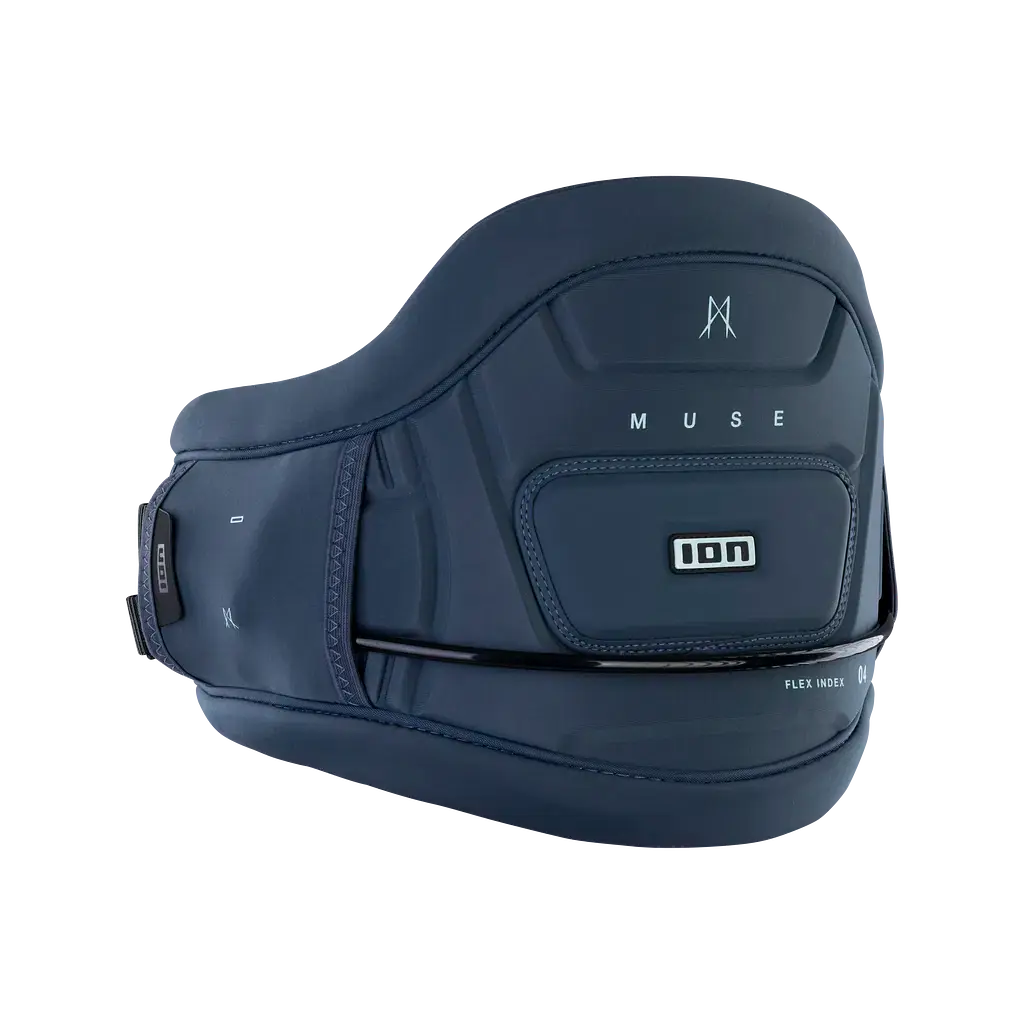
Waist Harness vs Seat Harness 2026 — Which to Choose?
Quick Verdict
For most riders in 2026, a waist harness wins on agility and comfort--it keeps your range of motion free, weight centred, and legs ready to work the board. But choose a seat harness if you're learning, value lower back support, or spend long sessions in heavy wind--the extra padding and distribution make a real difference when fatigue sets in.
Side-by-Side Comparison
Feature Waist Harness Seat Harness Comfort (light session) ✓ Minimal, unrestrictive feel -- Bulky for short outings Board control ✓ Legs free, instant response -- Legs restricted slightly Back support -- Minimal padding ✓ Firm lumbar support Long-session fatigue -- Pressure concentrates on hips ✓ Weight spreads across backside Learning curve -- Takes balance practice ✓ More forgiving, stable Freestyle/tricks ✓ Mobility for rotation -- Limits body twist Wave riding ✓ Preferred for agility -- Okay, but less dynamic Weight/pack size ✓ Lighter, compact -- Heavier, bulkier to travelWaist Harness -- Full Review
A waist harness wraps snugly around your hips and lower torso, distributing the kite's load across the narrowest part of your body. Because it sits high and tight, your legs stay unrestricted--you can twist your knees, adjust your stance, and respond instantly to board pressure changes. For riders who love freestyle tricks, wave sessions, or just want to feel light and nimble on the water, a waist harness is the natural choice.
Strengths: Maximum board feel and control, minimal restriction, lightweight, compact for travel, instant weight shifts, ideal for tricks and wave riding, and a tighter, sleeker silhouette under your jacket.
Weaknesses: Load concentrates on hip bones after 2+ hours, requires stronger core engagement, less forgiving for complete beginners, and minimal lower back padding if you have existing lumbar issues. The smaller surface area means pressure can build in choppy or very windy conditions.
Seat Harness -- Full Review
A seat harness extends down to cup and support your entire backside, spreading the kite's tension across your glutes, thighs, and lower back. Think of it as sitting in a padded chair: the extra fabric and padding absorb shock, keep your spine aligned, and let your back relax even during hour-long sessions. Many kiters new to the sport gravitate here because the harness "holds" you in position and reduces fatigue.
Strengths: Excellent lumbar support and padding, weight distributed across larger surface area, forgiving for beginners, reduces back pain on long sessions, and superior comfort in strong wind. The seat design naturally keeps your hips stable and aligned.
Weaknesses: Bulkier and heavier to pack, less responsive board feel (your legs have slightly less freedom), can feel restrictive in light wind or on flat water, mobility is limited for tricks, and the bulk under a wetsuit can feel hot on warm days. Not ideal for wave riding where instant agility matters.
Who Should Choose Each?
Seat Harness Profile
You're learning tricks and want a forgiving, stable platform. Hours of upper-body tension are draining your back. You ride mainly light to moderate wind and want comfort without fuss. Beginners and recreational riders benefit hugely from the support and reduced fatigue.
Waist Harness Profile
You're past the learning phase and chase tricks, waves, or responsive freestyle. You ride regular sessions (under 90 minutes) or prefer the ultra-light feel. Your core is strong and you want every muscle tweak to translate instantly to board behaviour.
Our Recommendation
In 2026, we recommend most kiters start with a seat harness and upgrade to a waist harness once they're comfortable with stance and control. A seat harness is simply more forgiving--it lets you focus on reading the kite rather than managing discomfort. Brands like ION and Mystic build excellent entry and mid-range seat harnesses with modern padding and breathable panels that won't overheat.
If you're an experienced rider chasing freestyle or wave sessions, go waist harness without hesitation. You'll feel the difference in responsiveness within the first 20 minutes. The lighter weight and unrestricted legs are worth the occasional hip pressure during long sessions--and honestly, most advanced riders rarely push past 90 minutes in one go anyway. ION and Mystic also make premium waist harnesses with anatomical curves and carbon-reinforced frames that balance comfort with performance.
The real rule: match your harness to your session length and riding goal. Light-wind cruising with a mate? Seat harness all day. Competition freestyle or wave contest prep? Waist harness. And don't feel locked in--plenty of kiters own both and swap depending on the day.
Ready to Gear Up?
Expert advice, authorized stock, ships across Europe within 24h.