What Are the Risks of Kitesurfing? — Safety Guide
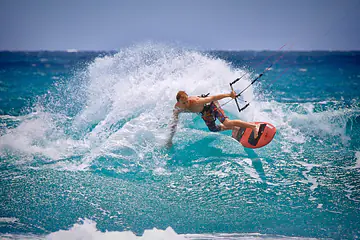
Yes, kitesurfing is dangerous if you ignore the wind, water, or your own limits--but the risk is entirely manageable with proper training, respect for conditions, and the right safety gear. Most injuries come from beginner mistakes, poor site choice, or neglecting weather checks. If you approach it methodically, thousands of riders stay safe every season.
The Full Answer
Kitesurfing's primary risks fall into three categories: impact injuries (falls, kite to the head, collision with obstacles), water and wind hazards (rip currents, sudden gusts, being dragged offshore), and equipment failure (bar or bridle damage, unexpected kite rotation). None of these is inevitable--each has a clear prevention strategy.
Impact injuries are the most common. New riders often underestimate kite power and get swept off their feet, or they don't release the bar quickly enough when the kite overpowers them. Wrist, ankle, and knee injuries happen. Kite strikes to the head are rare but serious, which is why the golden rule is: never ride alone, never in populated areas, and always check your landing zone. A helmet rated for water sports and a proper impact vest (often part of an ION or Mystic harness system) reduce severity dramatically.
Water conditions are deceptive. Strong wind doesn't mean strong riding conditions--it often means choppy, chaotic water and unpredictable gusts. Rip currents can exhaust you quickly. Being dragged offshore by a kite in strong wind is a real risk, especially in spots with limited beach access or deep water nearby. This is why site selection and wind forecasting are non-negotiable, and why you should always tell someone where you're going.
Equipment failure is uncommon with maintained gear, but a torn bridle or a stuck kite release can trap you. Quality brands like Duotone, Cabrinha, and Nobile engineer redundancy into their bars and safety systems--but only if you inspect your kit before every session and replace worn lines or straps.
Practical Guide
- Get proper instruction -- A certified coach teaches you body awareness, bar control, and self-rescue. This single step eliminates 70% of beginner injuries. Don't learn from YouTube alone.
- Choose safe, known spots -- Ride at established schools or beaches with water patrol, clear wind windows, and no obstacles. Avoid breaks with rocks, reefs, or heavy foot traffic. Scout a new site at low wind first.
- Check wind and water daily -- Use a wind meter and look at forecasts. Sudden gust? Choppy water? Rip current warning? Cancel and go again tomorrow. One session isn't worth a rescue.
- Wear a helmet and impact vest -- A water-certified helmet reduces head injury risk. An impact vest (harness integrated or standalone) protects ribs and spine. Both are standard among experienced riders.
- Inspect your gear before every session -- Check bridles for tears, lines for fraying, bar leash, and release function. A 60-second visual scan catches 90% of potential failures.
- Never ride alone and tell someone your plan -- A buddy can call for help or spot a problem early. Text a friend your location and expected return time.
Common Mistakes
Many riders assume stronger wind = better session, but wind that gusts 10+ knots above average creates uncontrollable conditions. Sudden overpowering is the quickest way to get injured. Always choose a steady 12-18 knots over a chaotic 15-25 knot window.
A single impact to the head can cause concussion or worse. A helmet doesn't reduce your skill or feel--it reduces your risk of catastrophic injury by 80%. There's no freedom in a hospital bed.
A kite is a large, powerful object you can't fully control in all scenarios. Swimmers, rocks, or shallow reefs turn a manageable risk into a collision. Always ride where there's plenty of empty water and clear landing zones.
A worn bridle or corroded bar release might fail when you need it most. Spend 5 minutes before each session checking your lines and release mechanism. Replace anything frayed or loose--gear is cheaper than rescue.
Surf Store Recommendation
Your safety harness is the foundation of injury prevention. ION and Mystic lead the market in impact vests integrated with harnesses--they combine waist support, rib protection, and impact absorption in a single system that won't restrict your movement. Both brands engineer their systems to spread force across your torso and reduce the severity of falls and kite strikes.
For wetsuits, NeilPryde (in our range) and ION offer reinforced chest and shoulder panels that add extra protection in high-impact areas. A thick, quality wetsuit also keeps you warm and mobile in cold water, which improves focus and reaction time--both critical for safety.
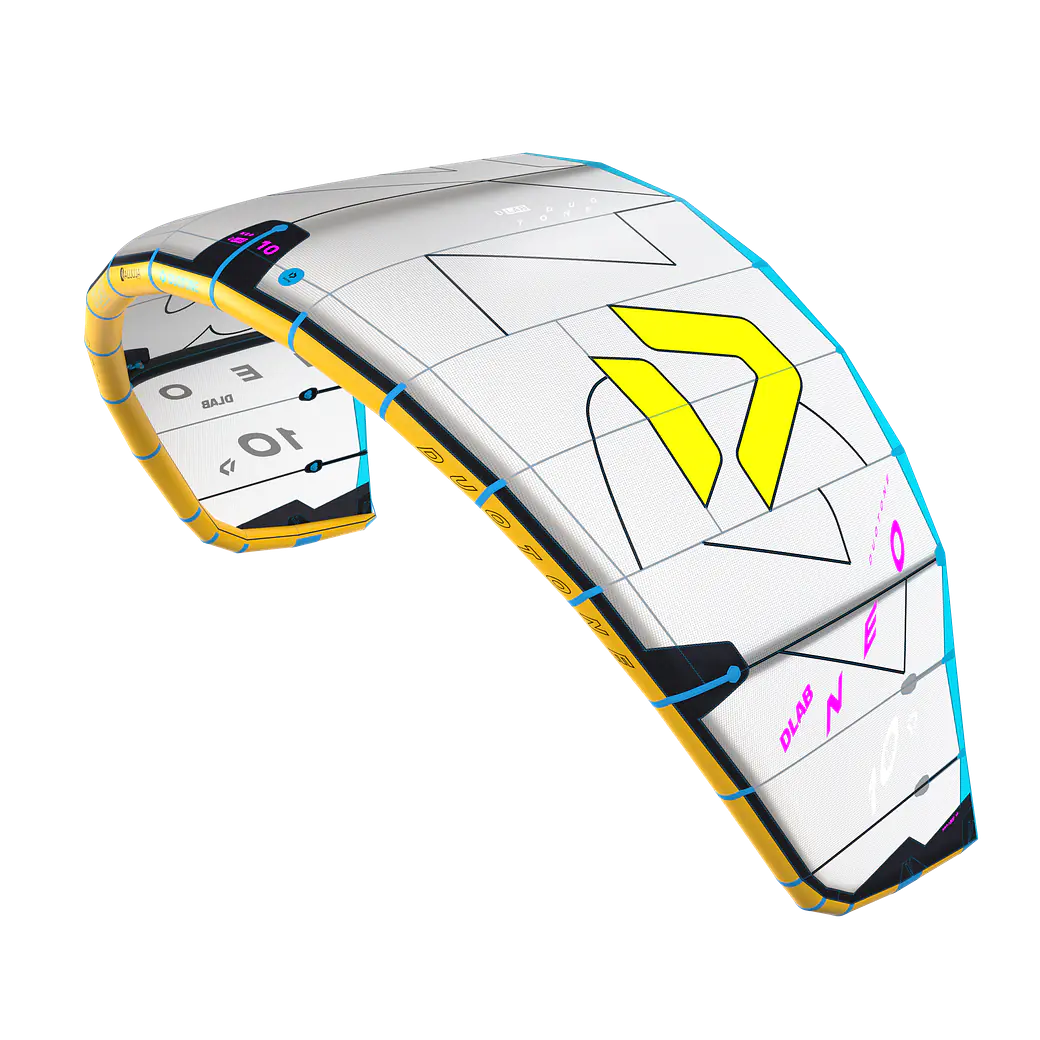
Your kite and bar should come from established brands: Duotone, Cabrinha, Nobile, or Gaastra. These manufacturers invest heavily in redundant safety systems, tested bridles, and bar releases that work reliably. Cheap or damaged gear is where most equipment failures originate. If you're new, start with a trusted freeride kite (like Duotone or Cabrinha models) that's forgiving and stable--not a freestyle or wave kite that demands precision.
Ready to Ride Safe?
We stock helmets, impact vests, harnesses, and world-class kites from brands that prioritise your safety. Talk to our team about your experience level and local conditions.