What Is Body Dragging in Kitesurfing? — Technique Explained
Body dragging is kitesurfing without the board—your kite pulls you across the water while you swim. It's the skill that separates riders who can stay upwind from those who wash out, and it's non-negotiable before you step on a twin-tip.
Body dragging means letting kite power pull you through the water in a swimming position. You'll learn directional control, power management, and how to stay upwind—all the foundations you need before boarding. Start with a 9 or 12 m² kite in 12–18 knots, and you'll nail it in a session or two.
01 — The core moveWhat Body Dragging Actually Is
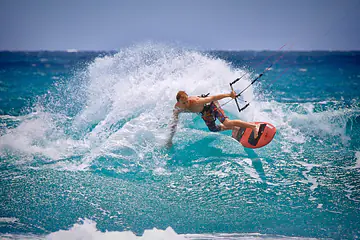
Body dragging is you, the kite, and the water. No board. You're floating or swimming face-up or face-down depending on the drill, and your kite's power drags you across the water—upwind, downwind, side to side. The kite does the work; you steer and manage the power.
Most riders start face-up in shallow water, one hand on the bar, reading how the kite responds to small movements. You'll feel immediately how a 2° bar movement changes direction and how edging your body (leaning on your heels or toes) controls where the kite pulls you. That's the whole game: kite control, weight distribution, and reading power.
02 — The foundationWhy Body Dragging Matters Before You Board
Every rider we've coached who skipped body dragging and jumped straight to the board has regretted it. Without body-drag experience, you don't have the muscle memory for kite control, and you panic when the kite moves outside your power window.
Body dragging teaches you where the power lives and how to manage it without a board to escape on. Once you can drag upwind smoothly in 14 knots, boarding becomes easy—your kite awareness is already there. You're not fighting the kite; you're dancing with it.
03 — Our picksOur 4 In-Stock Picks for Learning
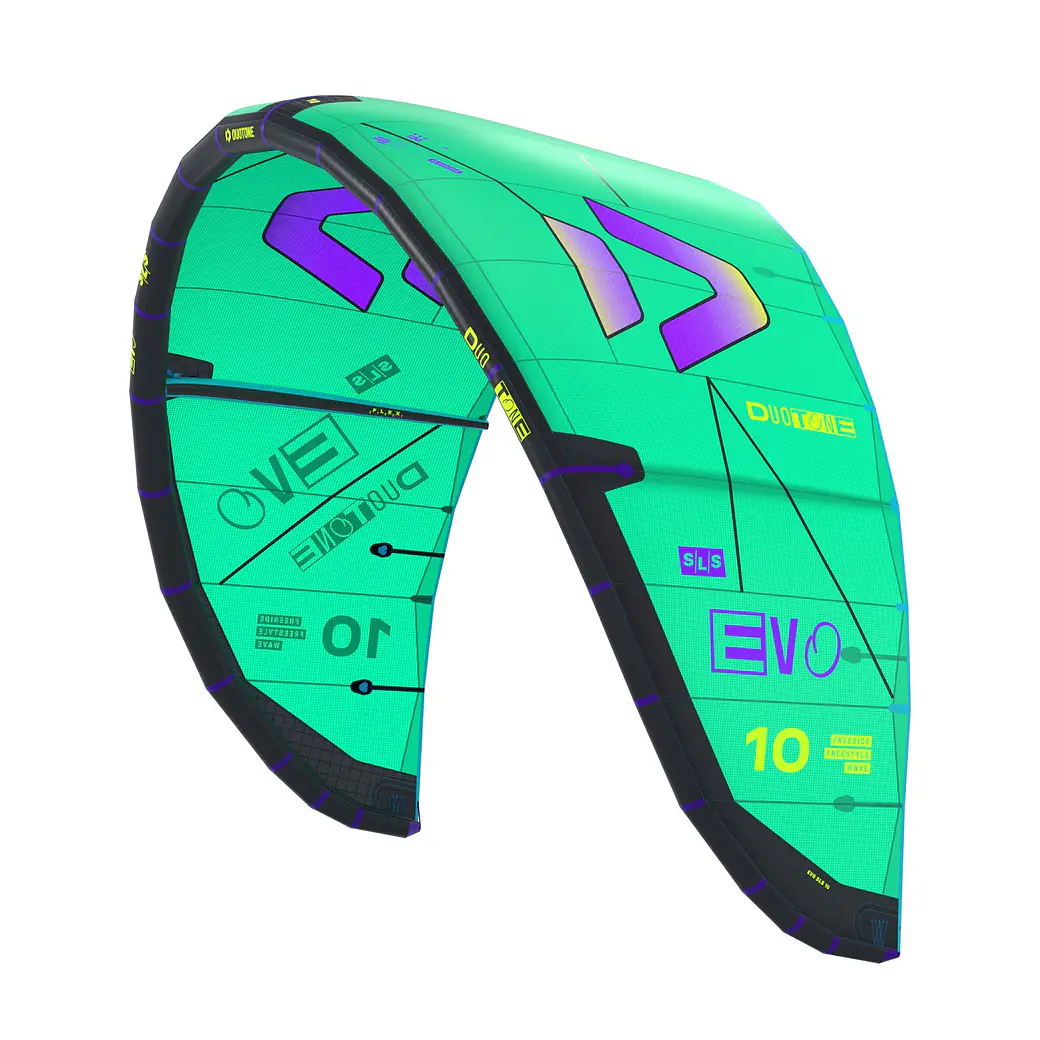
You want a kite that's forgiving, responsive, and holds power cleanly through body-drag drills. All four of these live in that sweet spot—they're not finicky or sluggish, and they won't surprise you with sudden gusts.
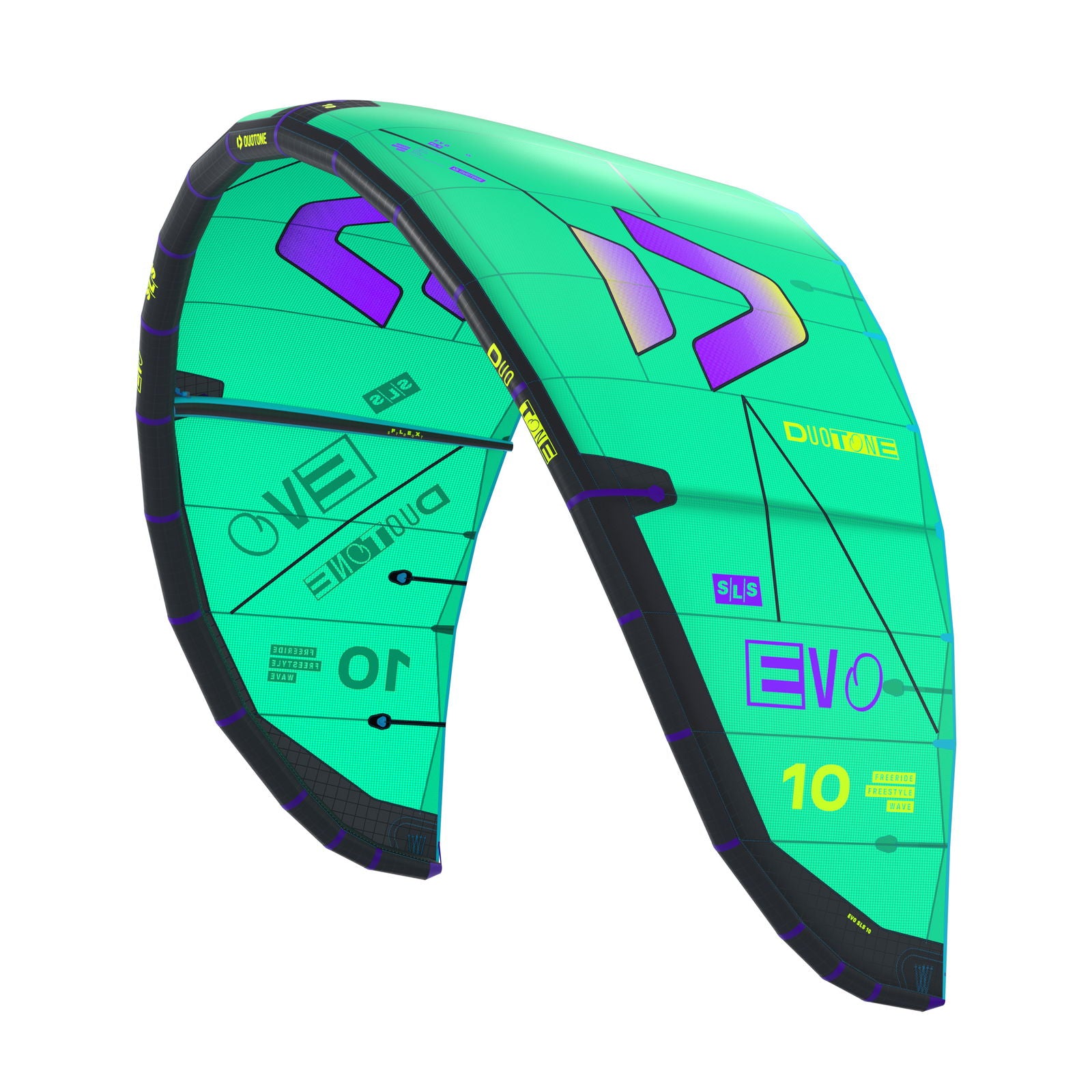
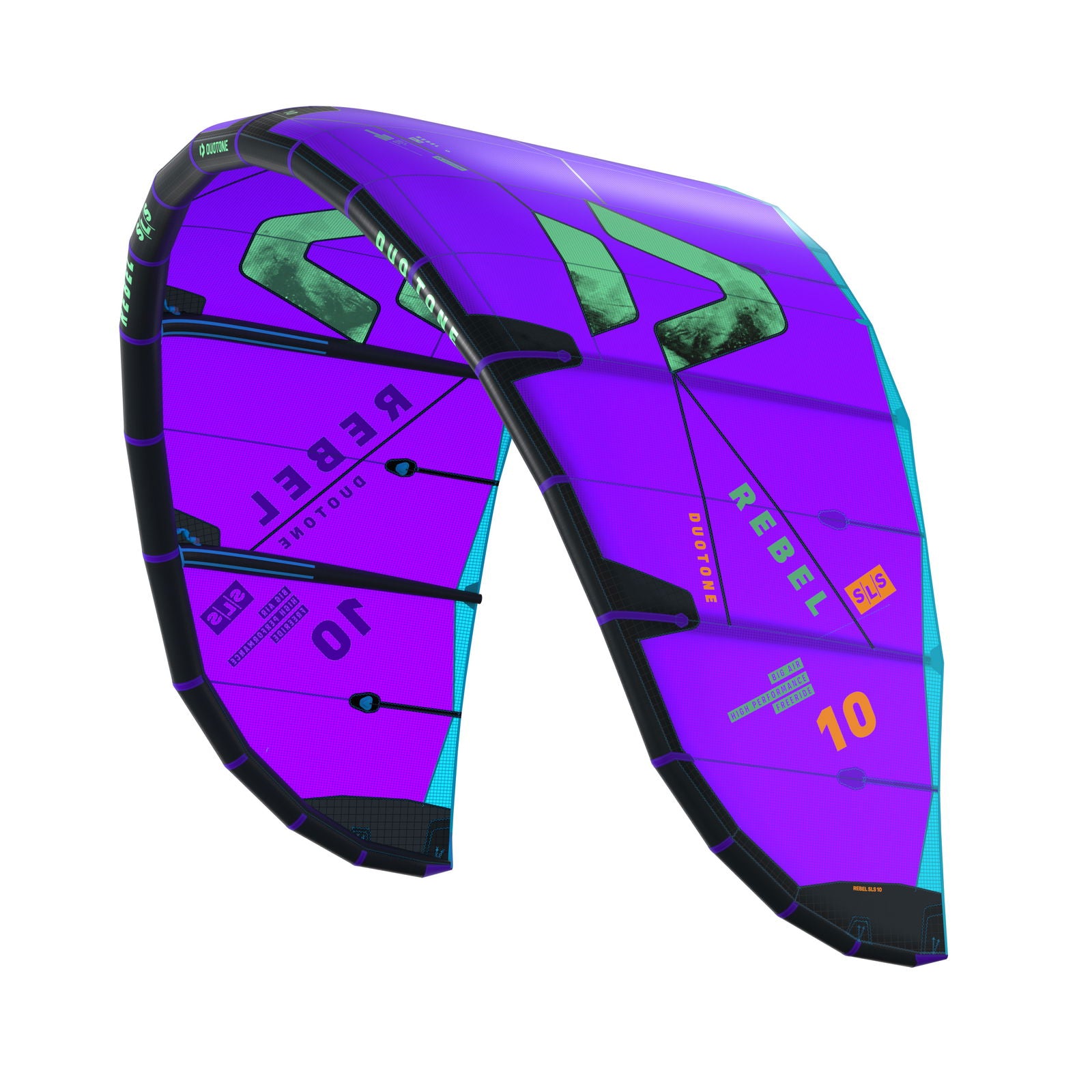
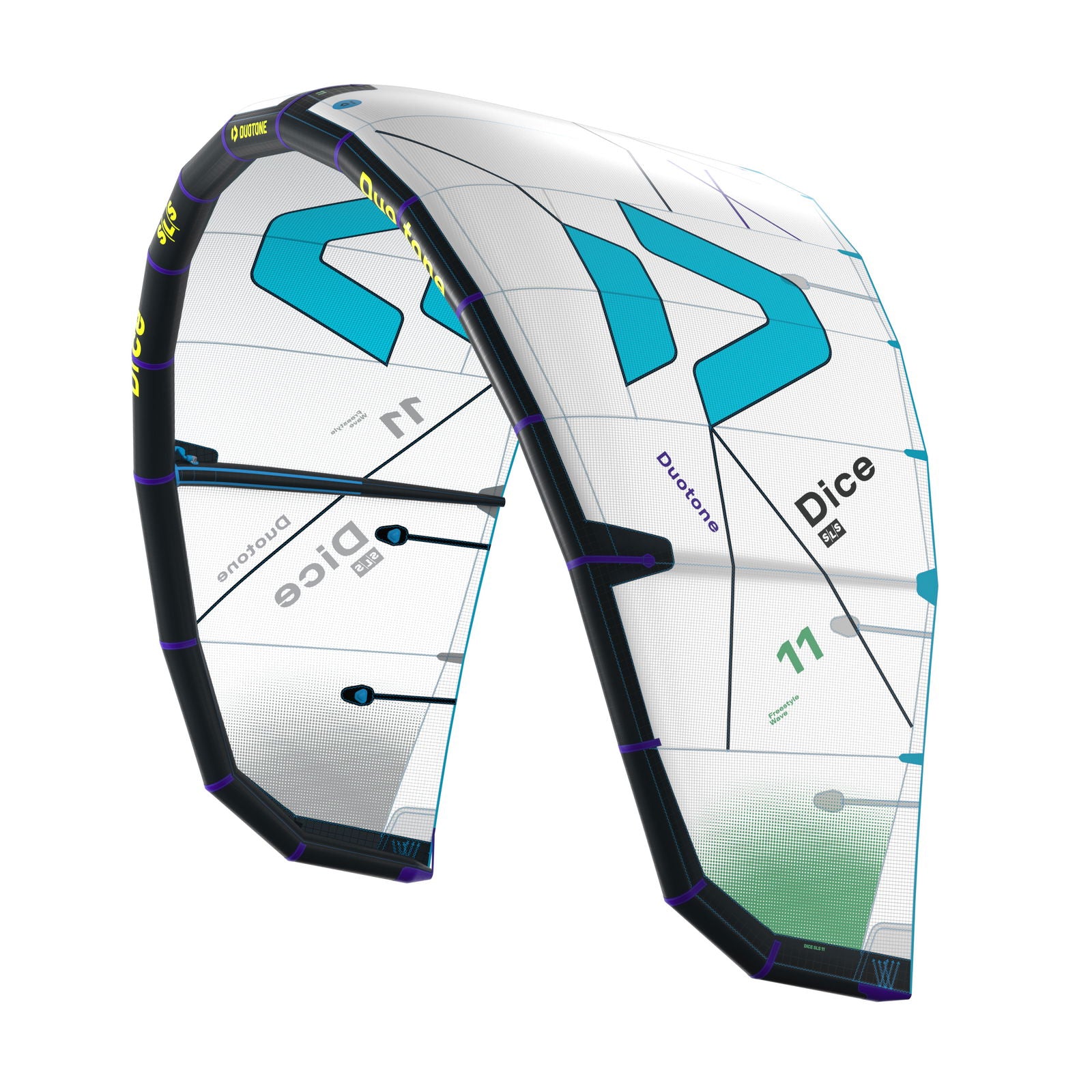
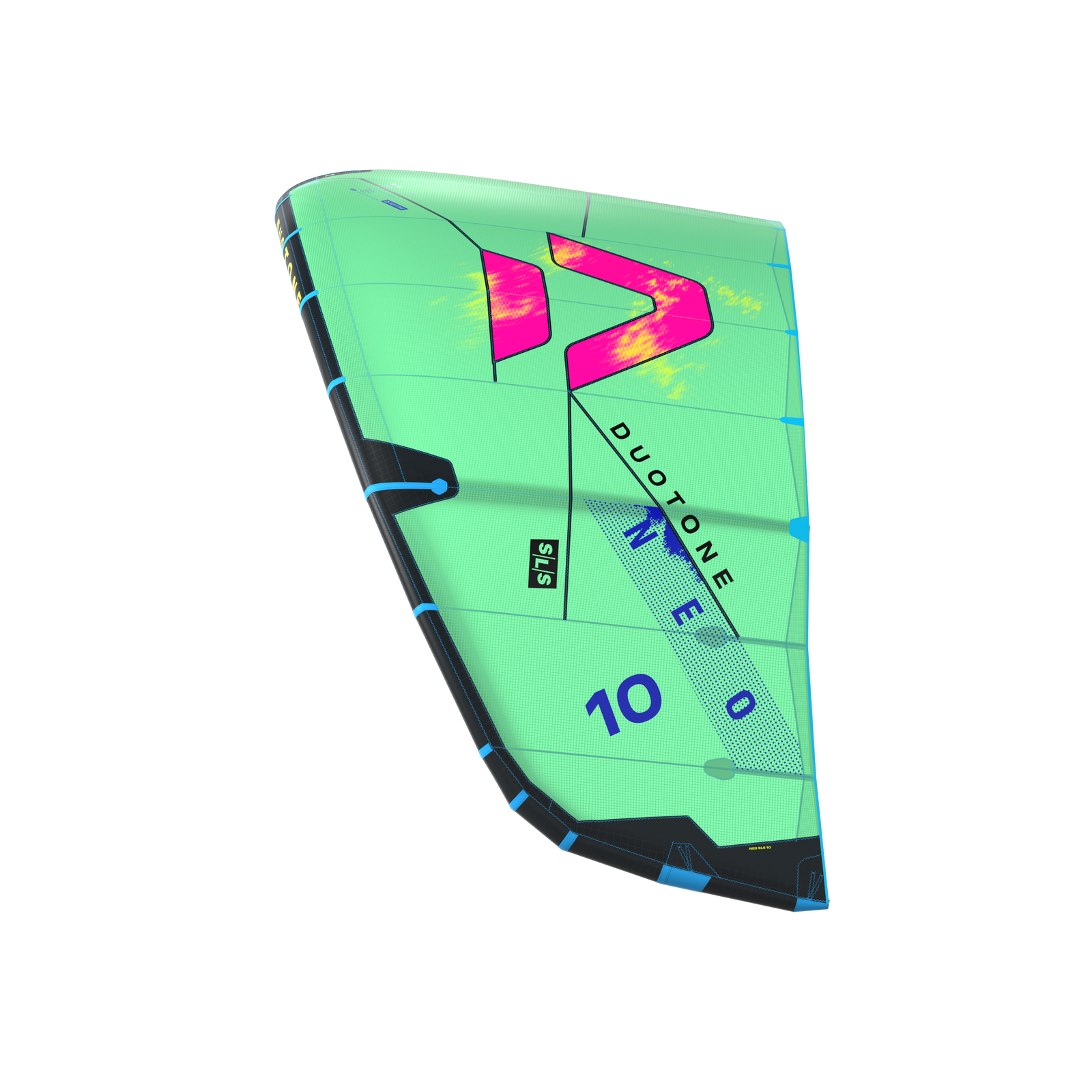
Prices and 2026 specs are pulled live from each product page. Confirm on the product page before checkout.
04 — MistakesThree mistakes we see every week
Too small. In the 12–18 knot range where most riders body drag, a 7 m² demands perfect wind and technique just to stay upwind. Start with 9 or 12 m² so the kite does the heavy lifting while you focus on control, not survival.
Face-down body dragging is an advanced drill—you can't see the kite, and it's easy to panic. Spend a full session face-up first. Once you trust your kite control, flip and practise directional dragging face-down for maybe 10 minutes at the end of a session.
Most beginners grip the bar and let their legs dangle. You'll get pulled sideways and lose upwind progress. Lean back, extend your legs, and edge on your heels or toes—your body is half the steering system. The kite and your weight work together.
Ready to dial in kite control?
Browse our full range of beginner and all-level kites, all in stock and ready to ship.
Frequently asked
Start with 9 or 12 m² in 12–20 knots. A 9 m² suits lighter riders (under 70 kg) or stronger wind; a 12 m² is forgiving for most. Avoid anything smaller—it's needless frustration.
Most riders get the basics in 1–2 sessions and feel confident upwind by session 3 or 4. It's not hard; it just needs repetition and calm water.
Chop and small waves won't hurt, but flat water is best for learning. You want to focus on kite control, not swimming through shore break.
Not essential, but they protect your palms on the bar and keep your hands warmer. An ION pair is a smart add if you're dragging regularly.