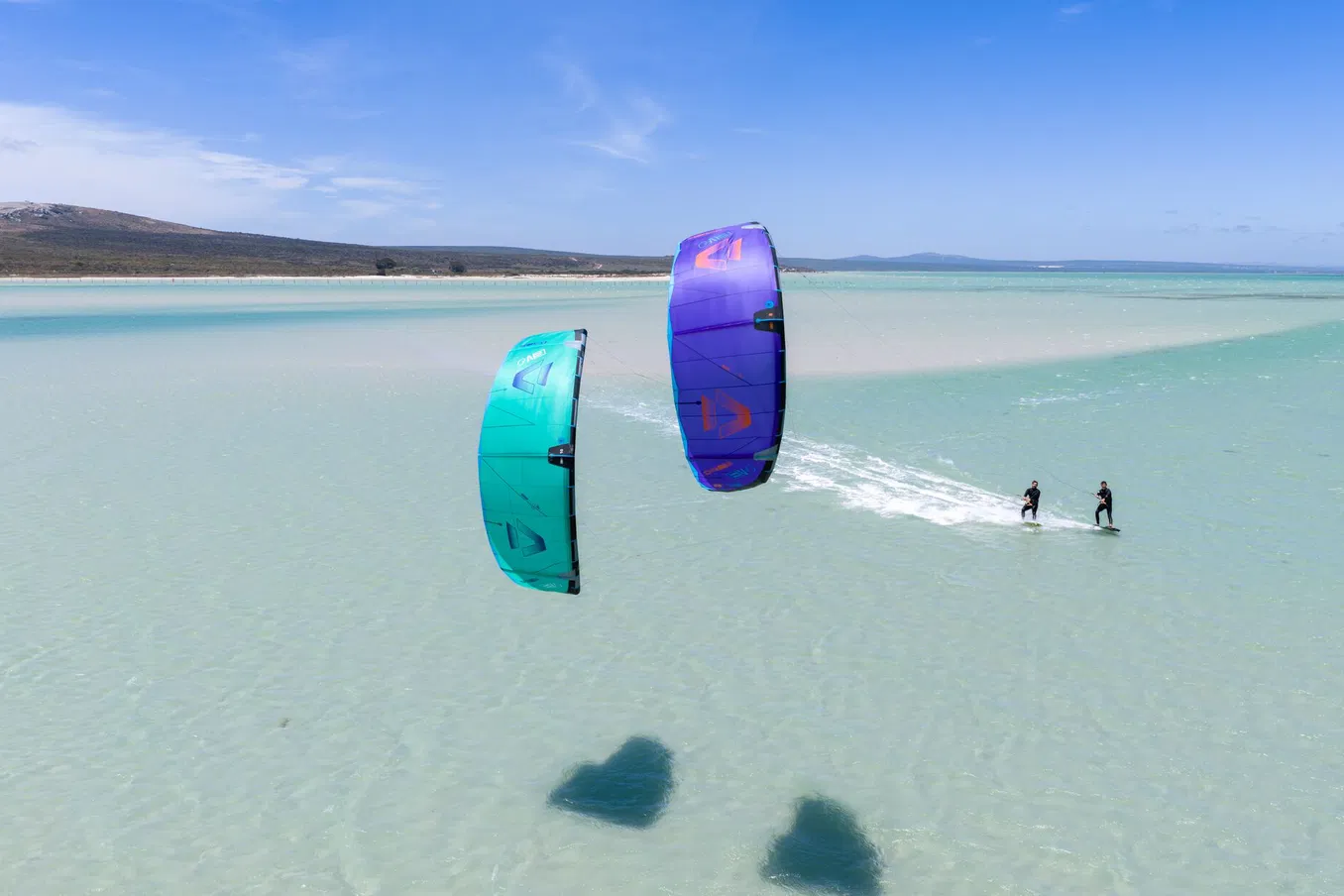
What Is the Kite Window & Power Zone? — Kitesurfing Theory
The kite window and power zone aren't theory—they're how you actually control speed, stay safe, and ride instead of fighting your kite. Master these two concepts and everything else clicks into place.
The kite window is the 180° arc of sky in front of you where wind reaches your kite. The power zone is the sweet spot within that window—roughly 45° elevation—where your kite generates maximum force. Move your kite into the power zone to accelerate; move it to the edge (or out of the window) to dump power and slow down. This is your foundation of control.
01 — The 180° ArcUnderstanding the Kite Window
Stand on the beach facing into the wind. Everything in front of you—from your left shoulder to your right, ground to sky—is your kite window. It's roughly 180° wide and extends upward until the kite loses consistent wind pressure. Outside that window, your kite generates no pull.
Think of it as an invisible bubble of usable air. Move your kite anywhere within that bubble and you're working with the wind. Drift it behind you (past your shoulder line) and it goes slack. This is why positioning matters before you even pop up on the board.
02 — The 45° Sweet SpotThe Power Zone—Where Your Kite Actually Works
Within the kite window sits the power zone. It's roughly 45° elevation from the horizon—think of it as the top-left or top-right corner of that 180° arc. This is where your kite catches the most wind pressure and generates maximum force.
When you need speed, drive your kite down into the power zone (or up into it from the opposite side). When you need to slow down or stop, move it toward the edge of the window or flatten it higher up. Riders new to 12 m² Duotone kites often keep their kite too high and wonder why they're losing power—drop it into the power zone and watch the difference.
03 — Our picksOur 4 In-Stock Picks
These four 2026 models give you clean, predictable power zone response so you can learn control without fighting the kite. Pick based on your weight and local wind range.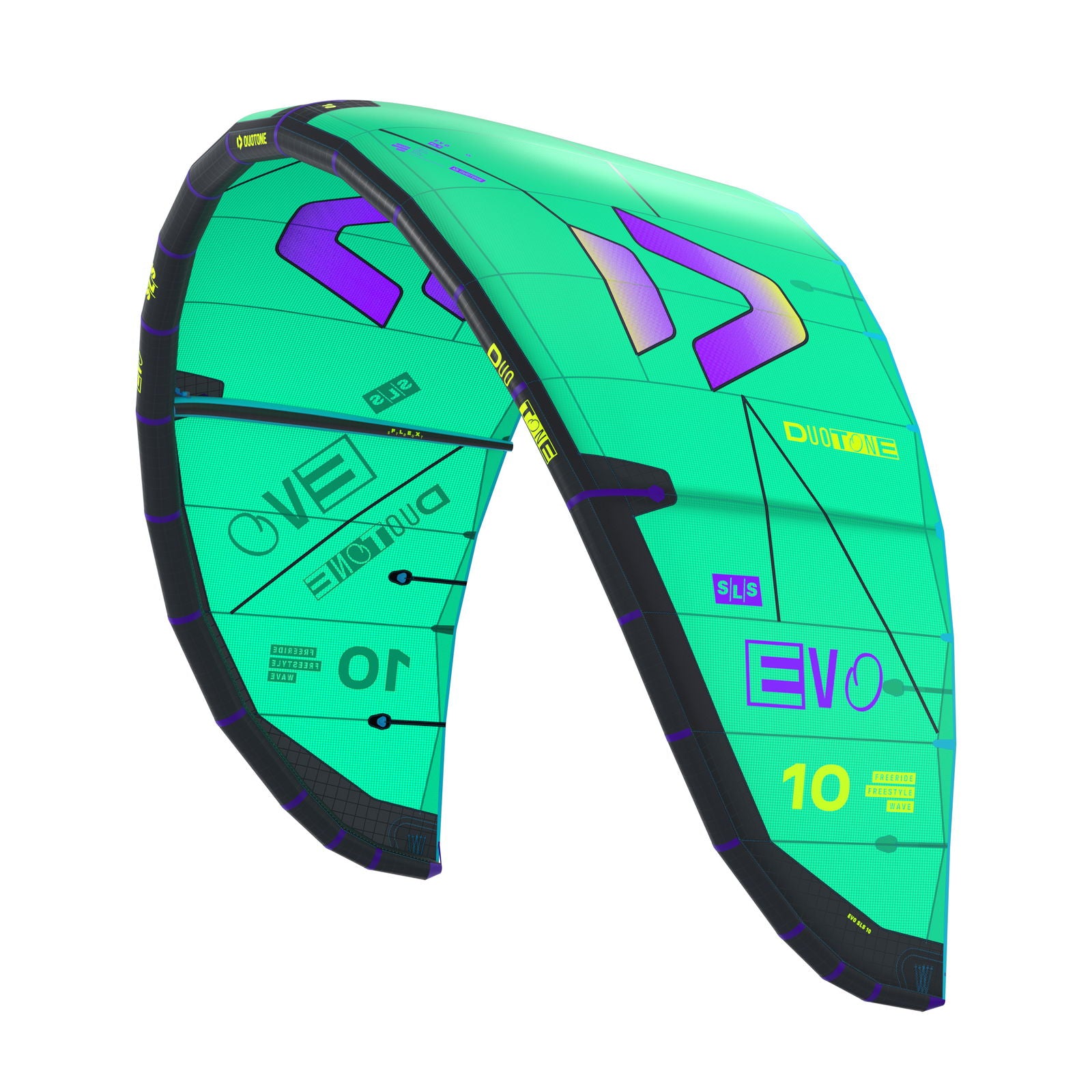
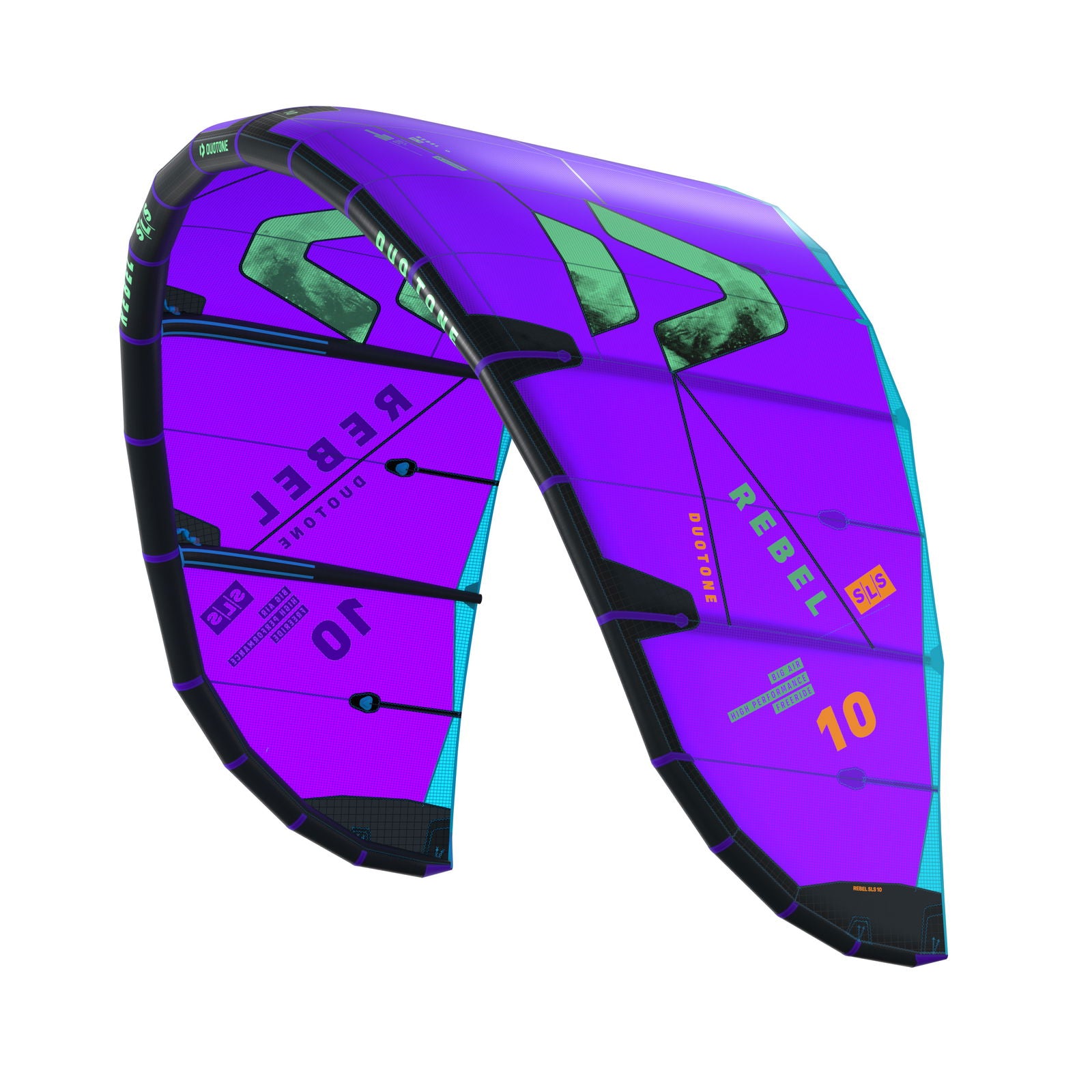
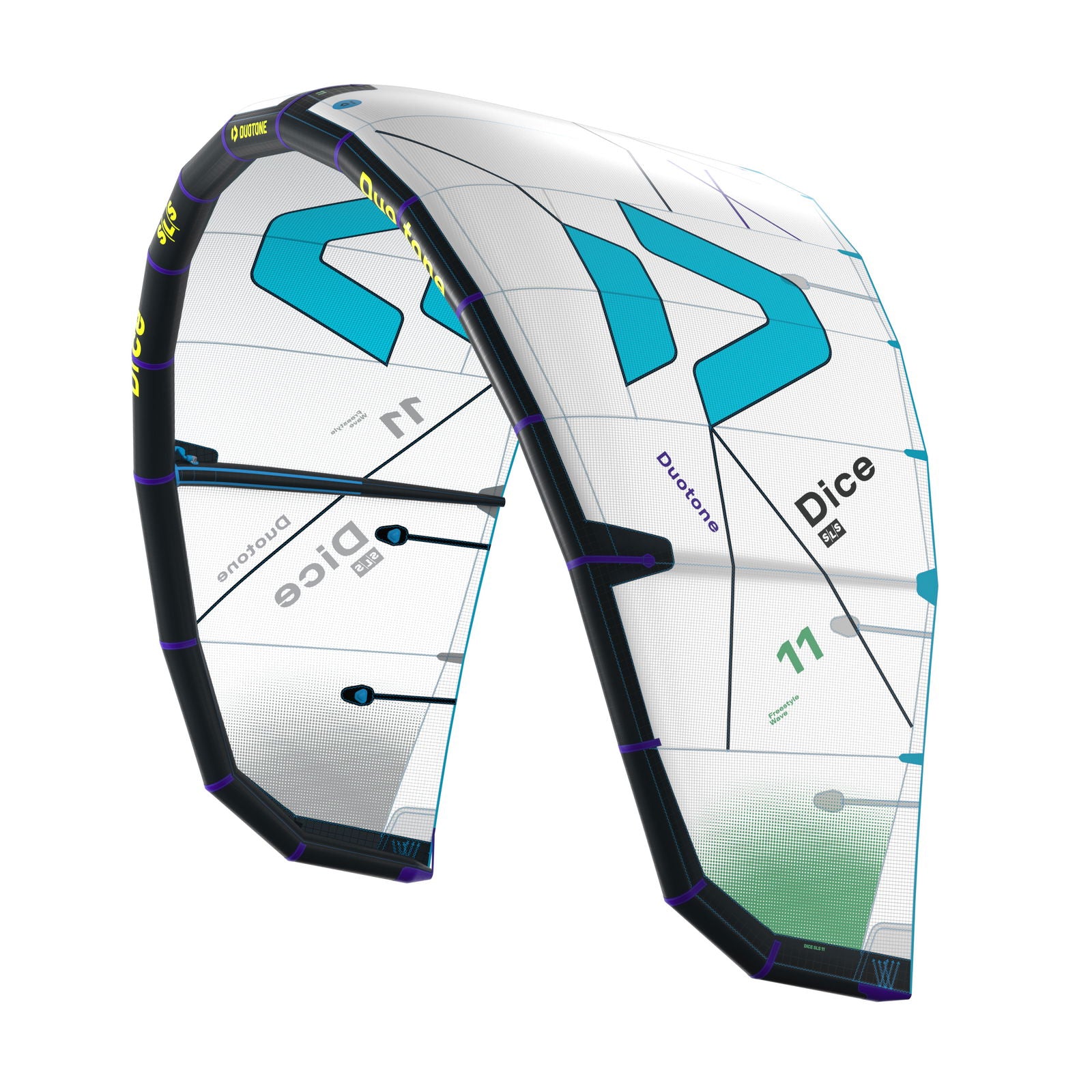
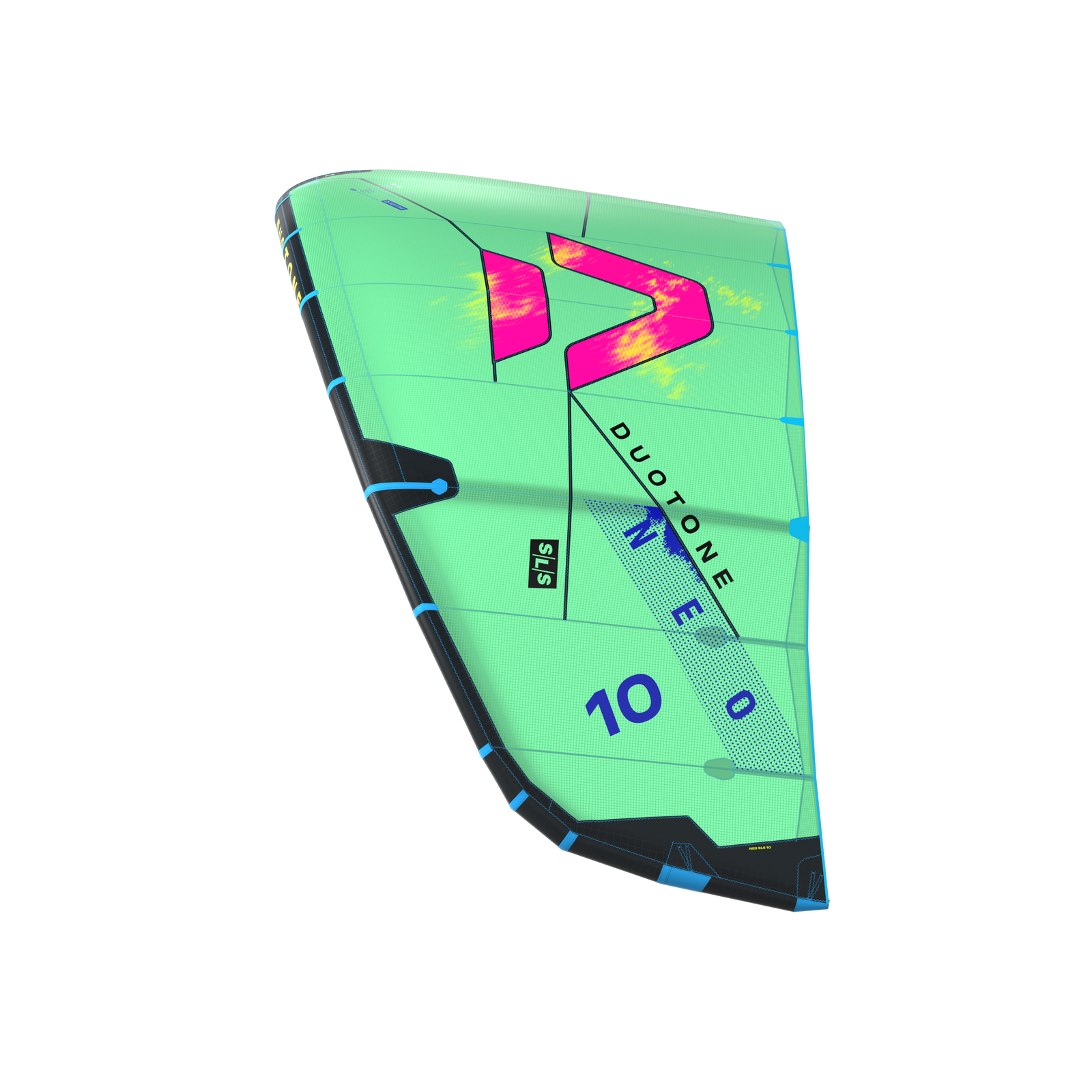
Prices and 2026 specs are pulled live from each product page. Confirm on the product page before checkout.
04 — MistakesThree mistakes we see every week
Ready to gear up?
Browse our full range of 2026 kitesurfing kites—all tested by our team since 2003.
Frequently asked
Yes. Wind direction rotates your entire window. If wind shifts 20°, your 180° arc rotates with it. Always face into the current wind direction to find your window.
It goes slack. No pull, no control. You'll need to fly it back into the window to generate force again. This is how you emergency-stop.
Roughly. It varies slightly by kite model and wind strength, but 45° elevation is a solid default. Check your kite manual or ask us—Duotone and Cabrinha both publish specific guidance.
No. The window and power zone are about position and wind direction, not kite size. A 9 m² and a 12 m² share the same 180° window. Bigger kites just pull harder within it.