
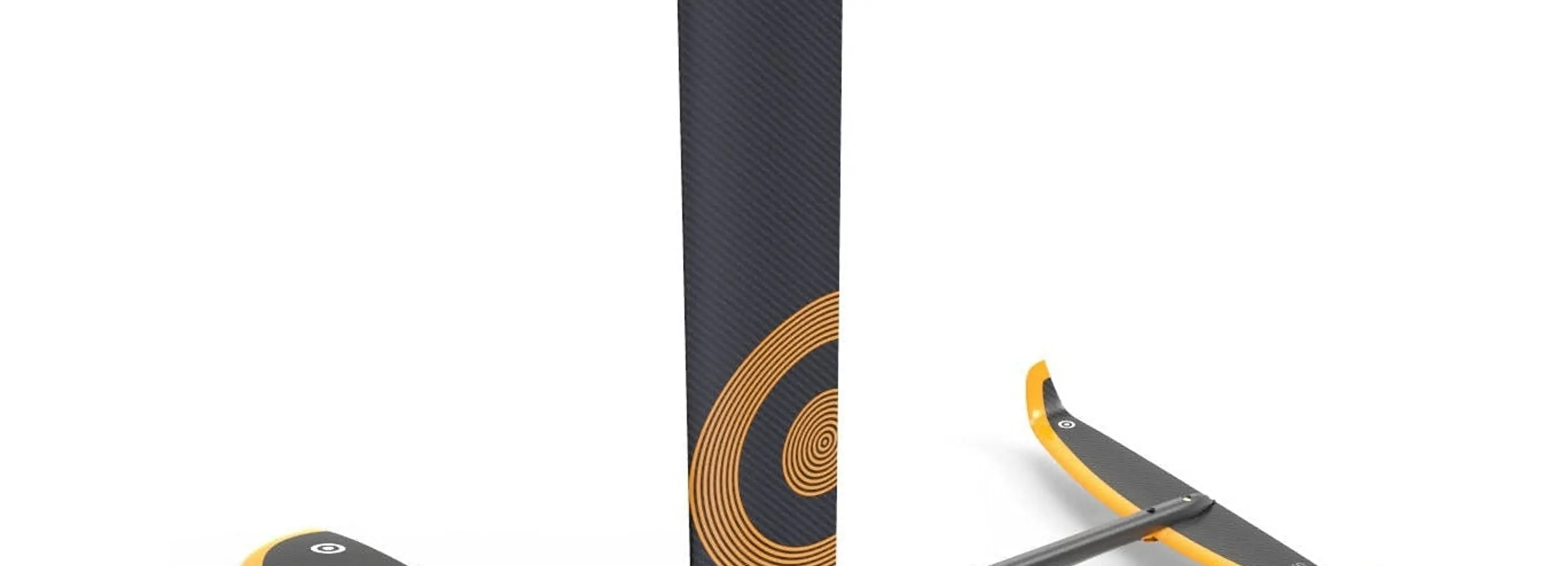
Windsurf Foil Guide 2026 — Beginner to Advanced
What to Look For in a Windsurf Foil Board
Windsurf foil boards have transformed light-wind sailing into a genuine pleasure. Unlike traditional windsurfing, hydrofoil windsurfing lets you ride in 8-12 knots where you'd normally be stuck on shore. I've been riding foils since 2018, and the progression--from wobbly first goes to smooth, effortless gliding--is genuinely addictive.
Here's what separates a board that'll get you flying from one that'll frustrate you:
- Foil wing size -- Larger wings (80-100 cm²) lift earlier and carry you through mushy wind; smaller wings (50-70 cm²) demand better technique but feel more responsive once you're up.
- Mast length -- Longer masts (80-120 cm) keep your boom higher and give ground clearance; shorter masts (60-75 cm) are more playful but need more skill and better conditions.
- Board volume & float -- Beginner foil boards typically carry 85-100 litres; you need enough float to stay upright while learning, but not so much that you're wrestling a tank.
- Deck profile -- A wider, flatter deck (75-85 cm) is more forgiving for stance and balance; narrow decks demand precision but feel lighter.
- Foil package compatibility -- Some boards come foil-ready; others require you to buy a foil system separately (mast, fuselage, front wing, stabiliser).
- Wind range -- Check whether the board pairs well with your local average wind. A foil board rated 10-20 kts is versatile; narrow ranges mean fewer riding days.
Windsurf Foil Progression: Beginner to Advanced
Your First Foil Board
Start with a higher-volume board (90-110 litres) and a mid-sized foil wing (70-85 cm²). You want plenty of float and early lift--this means confidence while learning to balance on the foil. Expect to spend 5-10 sessions before you're comfortable staying up; the waterstart is the biggest hurdle. A mast around 75-85 cm keeps the boom at a manageable height and gives you ground clearance. Don't chase speed; focus on smooth weight transfer and keeping your feet centred over the mast.
Refined Technique & Smaller Foils
Once you've logged 20+ sessions, you can drop to smaller boards (70-85 litres) and experiment with smaller, stiffer wing combinations. You'll dial in your stance, manage pressure shifts, and even play with light freestyle moves. Shorter masts (60-70 cm) feel snappier and let you carve harder. Advanced riders often own 2-3 foil setups to match different wind ranges and moods--a light-wind cruiser, a mid-range freewave board, and maybe a slalom-oriented setup for strong days.
Windsurf Foil Budget Guide for 2026
A complete foil setup (board + sail + foil system) ranges from €1,200 to €3,500+. Here's how to think about it:
TierPrice RangeBest ForOur Pick Entry€1,200-1,800First foil setup; learning wing transitionsDuotone Stingray D/LAB + entry foil system Mid€1,800-2,500Intermediate riders refining light-wind techniqueJP HydroFoil SLALOM S-TEC 2025 Premium€2,500+Advanced; multiple setups, foil-specific sailsDuotone Falcon_Foil D/LAB 2025Pro tip: Don't skimp on the foil package itself. A good mast and fuselage (from brands like Duotone or JP) will last years; cheap knockoffs often flex unpredictably, making progress frustrating.
Our Top Windsurf Foil Board Picks for 2026
JP's HydroFoil SLALOM is the benchmark for light-wind progression. It sits just between beginner-friendly and advanced, with enough volume to stay upright whilst sharp enough to reward technique. The S-TEC carbon layup is tough without being heavy, and the board takes standard foil systems beautifully. I've tested this with liftier 85 cm² wings in marginal breeze, and it just floats--genuinely one of the most forgiving foil decks out there.
Duotone's Falcon_Foil is engineered for riders serious about hydrofoil windsurfing. The D/LAB construction keeps weight down without sacrificing durability, and the narrower deck profile (73 cm) rewards clean weight placement. Perfect for intermediate to advanced sailors who've already logged time on a beginner board and want a responsive, high-performance platform. Pairs beautifully with Duotone foil packages and freewave sails.
The Stingray is a versatile light-wind tool that accepts foil setups brilliantly. It's slightly buoyant, which means you don't need a huge wing to get airborne--ideal if you're retrofitting an existing foil package or building from scratch. Not pre-configured, but that flexibility is actually a plus: dial in your foil system to match your weight and local winds exactly.
Mistakes to Avoid When Starting Windsurf Foil
Many new foil riders want a 60-65 litre board because it 'looks cool.' In reality, you'll spend 80% of your time on the water, not flying. Start with 85-100 litres and drop down once you can consistently stay up and transition between tacks. Too little float = exhaustion and frustration.
Hydrofoils are delicate. Dings, corrosion, and pressure cracks on the mast shorten the lifespan drastically. Rinse everything in fresh water after every session, store the board upright (never stacked), and inspect the mast for stress marks monthly. A €150 tune-up now beats a €600 replacement later.
Foil boards need lighter, quicker-responding sails than conventional wave boards. A 4.5-5.5 m² freewave sail is much better for foiling than a chunky 5.8 m² freerider. The overhead feel changes everything; too much sail = you'll oversheet and lose control.
Foil riding is all about subtle shifts. Your weight must stay centred over the mast; too far forward = you pitchpole; too far back = the wing stalls. Spend time on flat water perfecting your stance before chasing wind.
Not all foils fit all boards. Check the mast diameter (typically 22 or 25 mm) and box type (tuttle, US, etc.) before ordering. A mismatch means a wasted purchase. When in doubt, ask--we're here to help.
Ready to Start Hydrofoil Windsurfing?
Expert advice, stock from Duotone, JP, and other trusted brands, and free EU shipping from €99. We've been helping water sports riders since 2003.