Wing Foiling vs Windsurfing 2026 — Which Is Better for You?
Wing foiling and windsurfing both fly you across the water, but they're built for completely different conditions and bodies. We've stocked both since 2020, and the choice comes down to your wind range, fitness, and what you actually want to learn.
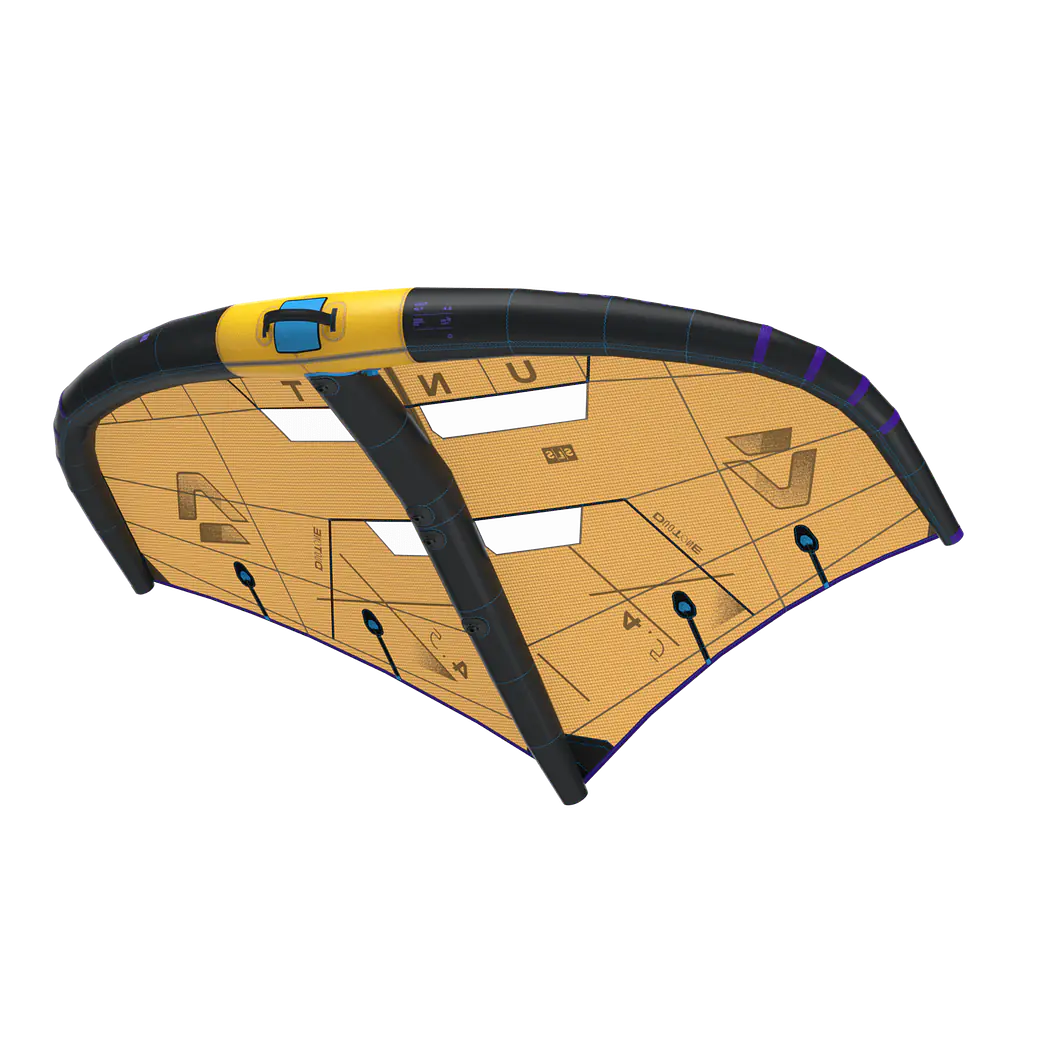
Wing foiling wins if you want light-wind magic (12–20 knots), easy learning, and low fatigue. Windsurfing owns broad wind range (8–40 knots), technical mastery, and wave riding. Pick a wing like the Duotone Unit SLS 2026 if you're after instant progression. Pick windsurfing if you live in variable wind and want to sail year-round.
01 — The Light-Wind ProblemWhy Wing Foiling Exploded (And Why Windsurfing Didn't Die)
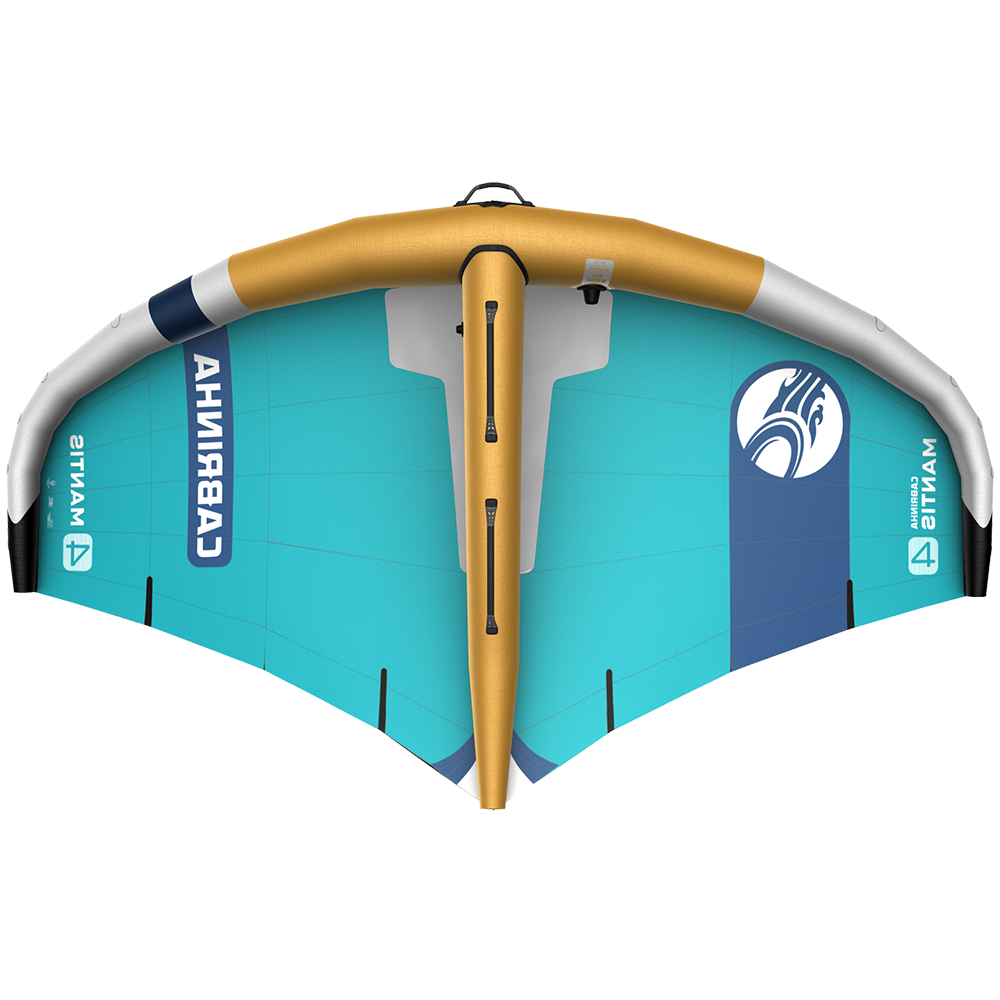
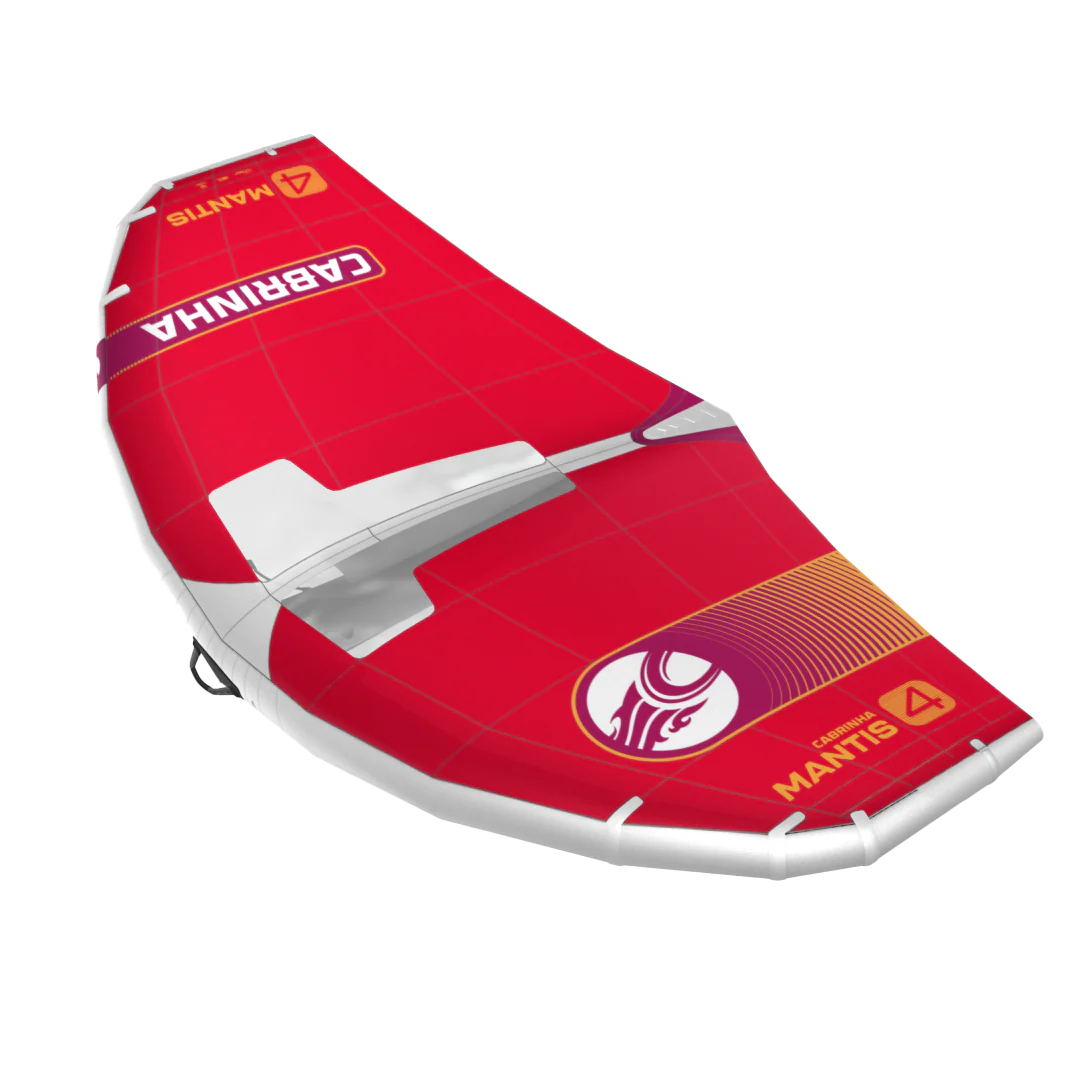
Windsurfing hits a hard wall below 10 knots. You're wrestling a boom, your arms are burning, and you're not moving. Wing foiling solved that in one stroke: no boom, lighter wing, instant upwind angle. A handheld wing like the Cabrinha Mantis 2026 lets you fly in 12 knots where windsurfers are stationary.
But here's the thing—windsurfing owns everything above 20 knots. Your boom locks the sail to your body, you've got leverage, and you can blast 35+ knots in a gale. Wing foilers? They're holding a 3.5 m² wing by hand in 28 knots, and that gets old fast. Each sport solves a different problem.
02 — What Your Body Needs to KnowLearning Curve and Physical Reality
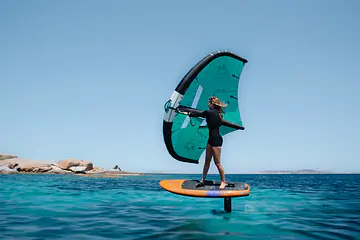
Wing foiling is gentler on your shoulders and back. You're holding a wing above your head (not strapped to a boom), your feet do the steering, and you're learning foil balance—which is the hard part. Most riders go from zero to upwind in 3–4 sessions. That's not marketing. That's what we hear from every buyer who tries both.
Windsurfing demands more upper-body strength and sail feel. Your arms, back, and shoulders work hard, especially in light wind. But if you put in the hours, you unlock wave riding, freestyle, and the ability to sail any condition. Wing foilers can't duck-dive waves or do an aerial. Windsurfers can. Pick wing if you're 50–70 kg or want zero boom fatigue. Pick windsurfing if you want mastery and variety.
03 — Our picksOur 4 In-Stock Picks
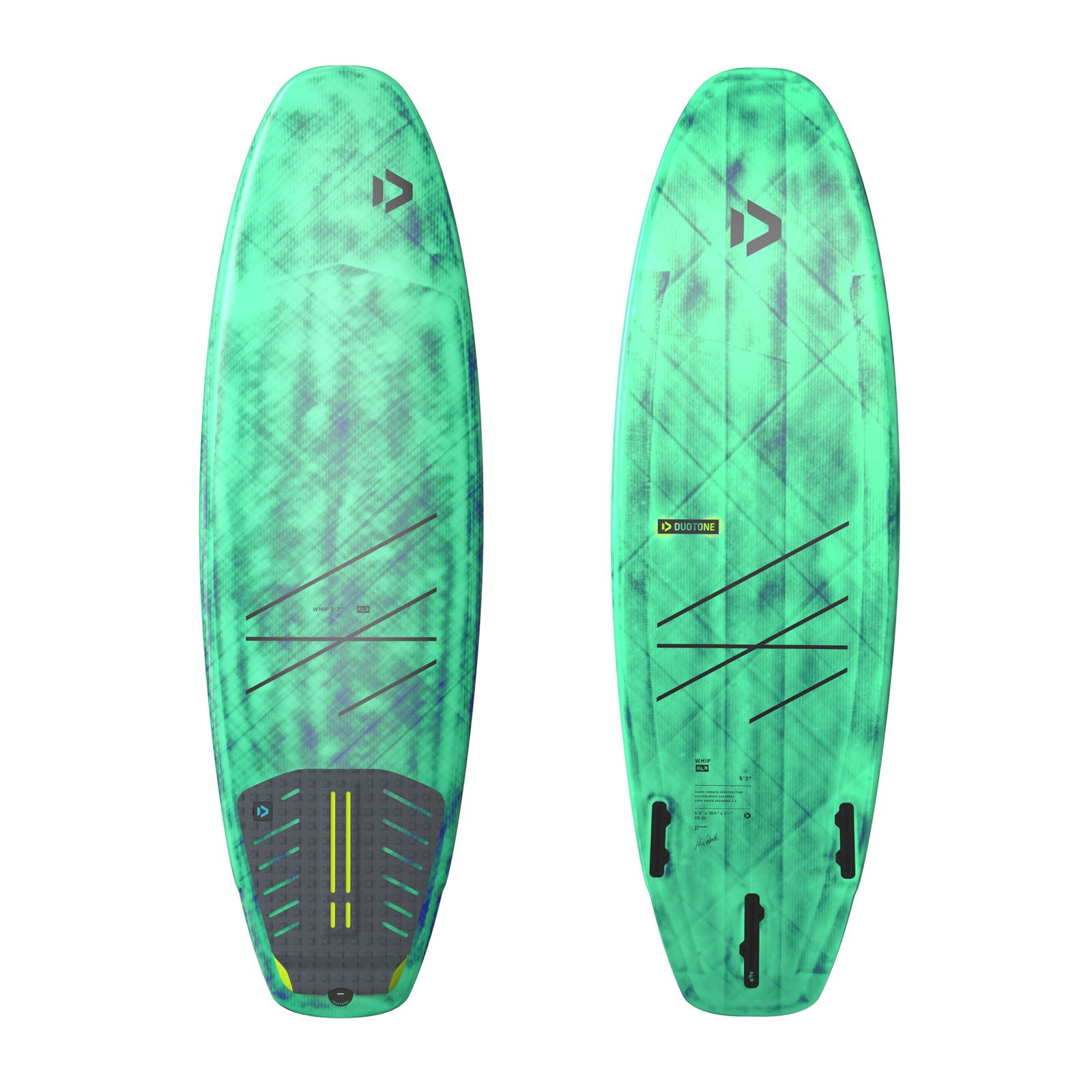
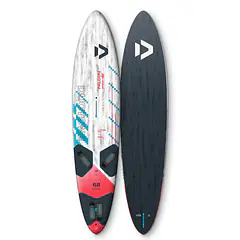
We've picked two wings and two board setups for 2026. The Cabrinha Mantis range covers entry to advanced. The Duotone Unit SLS line is our go-to for quick progression. All work in 12–25 knots. Pick your wing size based on your weight and average wind; pick your board based on how much volume you need to get going.


Prices and 2026 specs are pulled live from each product page. Confirm on the product page before checkout.
04 — MistakesThree mistakes we see every week
Ready to Pick Your Wing or Board?
Our wing foil and windsurfing pages have full specs, sizing guides, and buyer notes for every setup.
Frequently asked
Yes. Wing foiling teaches you foil balance and basic flight in a few sessions. Windsurfing is more physically demanding and takes longer to feel natural. But wing foiling's higher skill ceiling is lower—you'll plateau faster.
No. Wing foil needs 12 knots minimum to get airborne. Below that, you'll stall. Windsurfing is slower to start but works in 8 knots if you're light and committed.
Both are solid entries. The Mantis has a wider range—it's forgiving in light wind and punchy in gusts. The Unit is snappier and rewards clean technique. Both are in stock and worth a test session if you can.
Your balance and water-reading help, but your boom muscle memory will fight you. It's not a given. We've seen strong windsurfers struggle with wing foil shoulders, and light-wind windsurfers pick it up in days.