
Blog
Surf Store Blog
Guides & Expert Tips
Everything you need to choose the right gear — from kite sizing charts to wetsuit guides, written by our team.
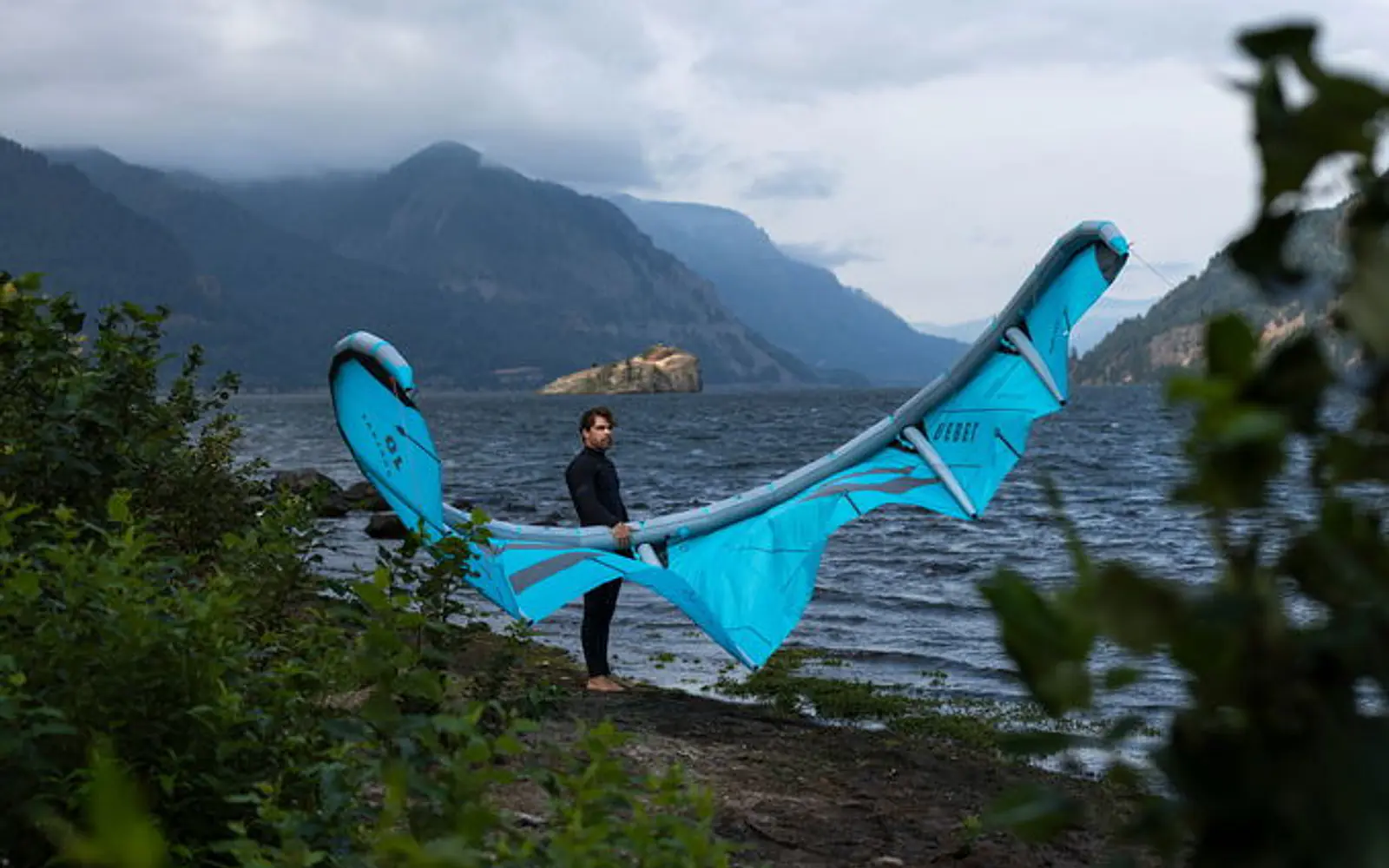
Kitesurfing Self-Rescue — Step-by-Step Guide
Self-rescue in kitesurfing means depowering your kite and swimming back to shore safely when you've drifted away from your launch point.
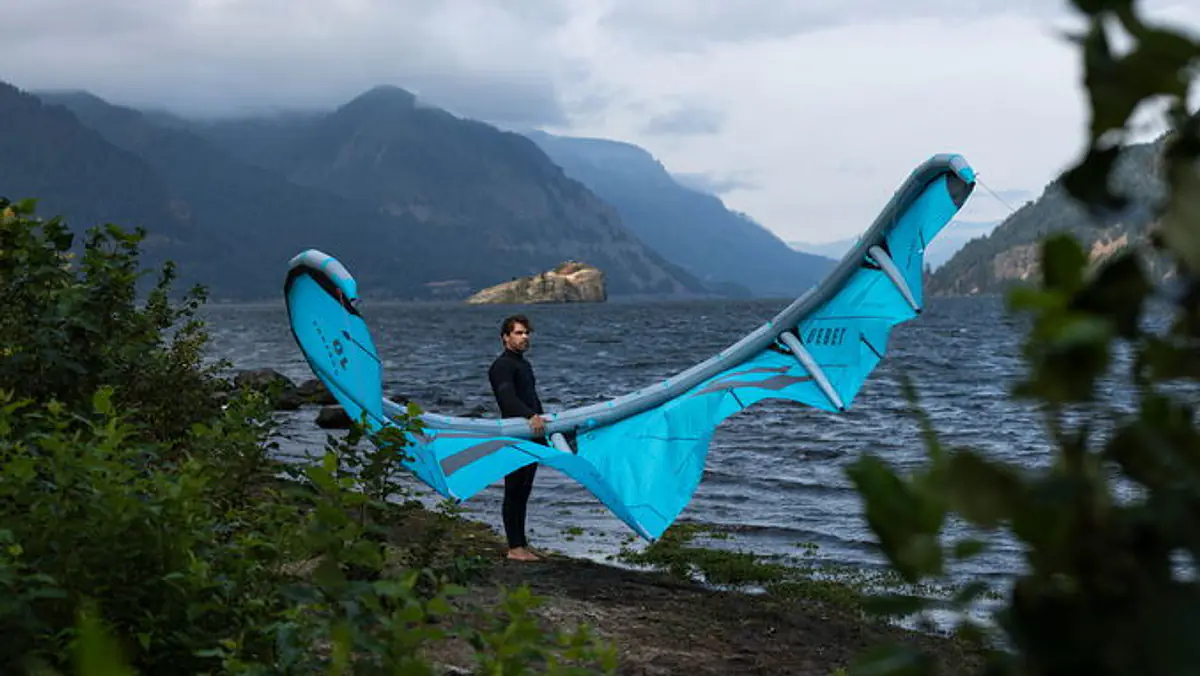
Kitesurfing Self-Rescue — Step-by-Step Guide
Self-rescue in kitesurfing means depowering your kite and swimming back to shore safely when you've drifted away from your launch point.

How to Body Drag Upwind — Essential Kitesurfing Rescue Skill
Body dragging upwind in kitesurfing requires correct kite positioning at 45 degrees and powerful edge control to generate forward momentum into the wind.
Kitesurfing Distress Signals — How to Call for Help on the Water
Kitesurfing distress signals include waving both arms, releasing your kite, and using visual markers—master these to stay safe on the water.
Right of Way Rules in Kitesurfing — IKO Rules Explained
In kitesurfing, the rider on starboard tack (right side of the wind) and the rider downwind have right of way; upwind riders must give way.

Kitesurfing on a Crowded Beach — Safety Rules & Etiquette
Choose off-peak times, position yourself upwind of swimmers, maintain constant awareness of other water users, and use certified safety equipment to kitesurf...
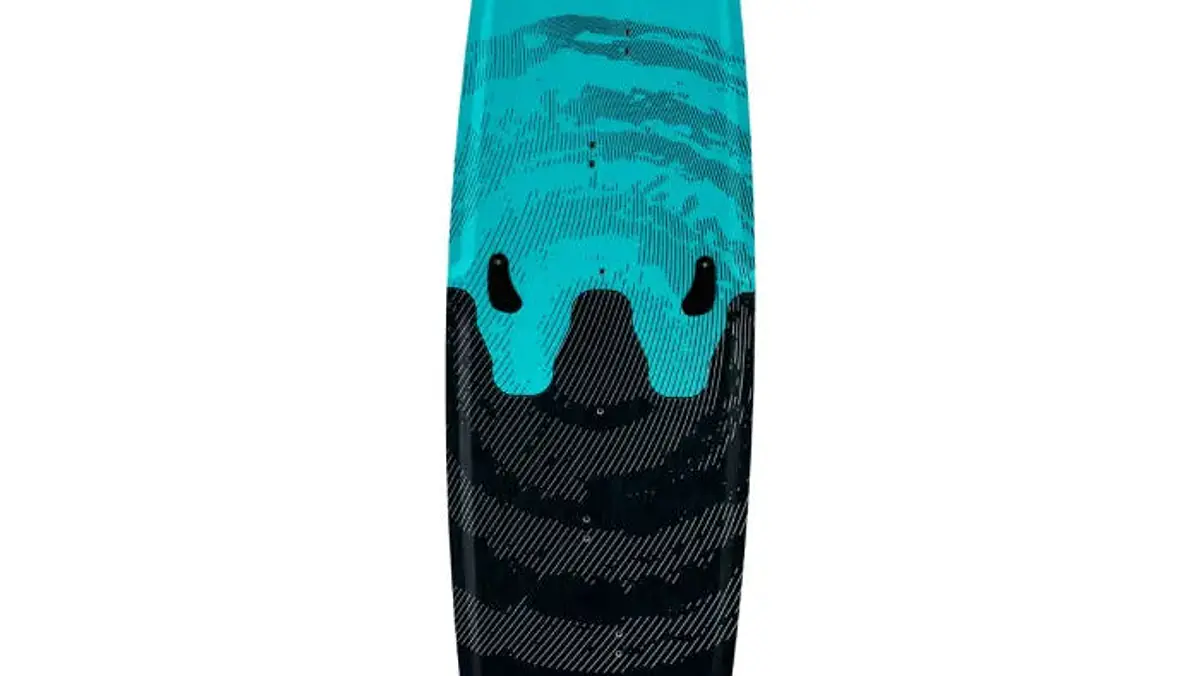
How Far Offshore Can You Safely Kitesurf? — Distance Guide
Most experienced kiteboarders can safely venture 500–1000 metres offshore in consistent wind, provided they have proper skills, equipment, and a recovery plan.
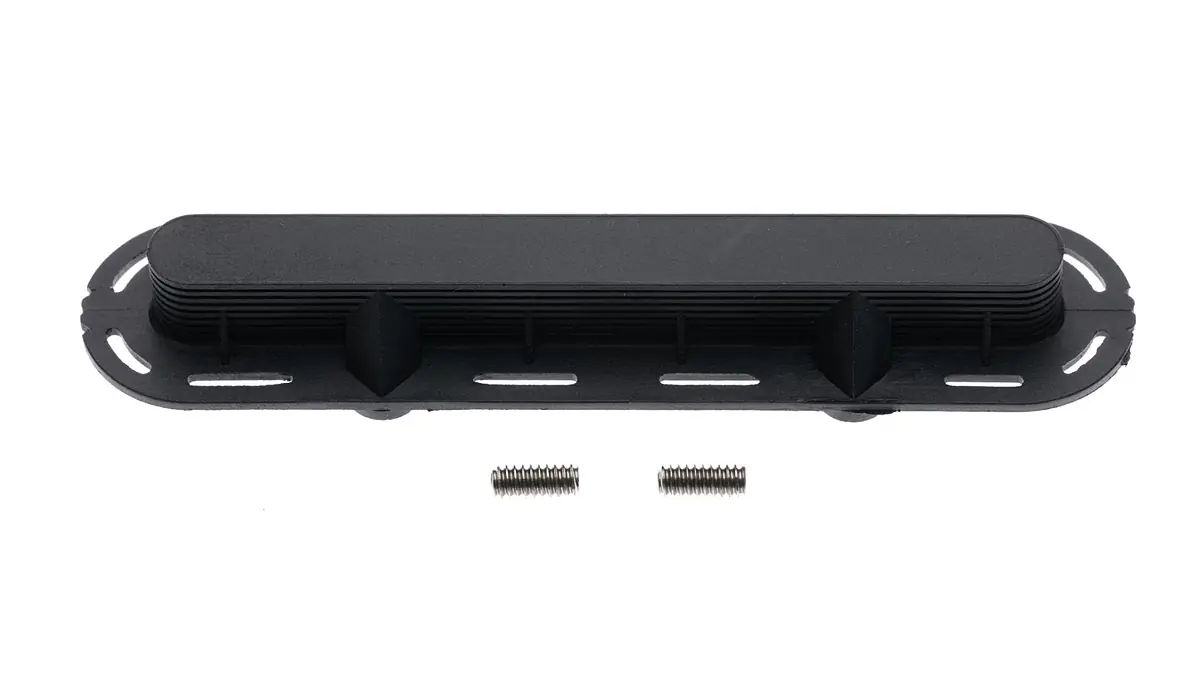
How to Land a Kite Alone — Self-Landing Technique Guide
Land your kite safely without assistance using the self-landing technique: fly to the edge of the wind window, depower completely, and guide it down.
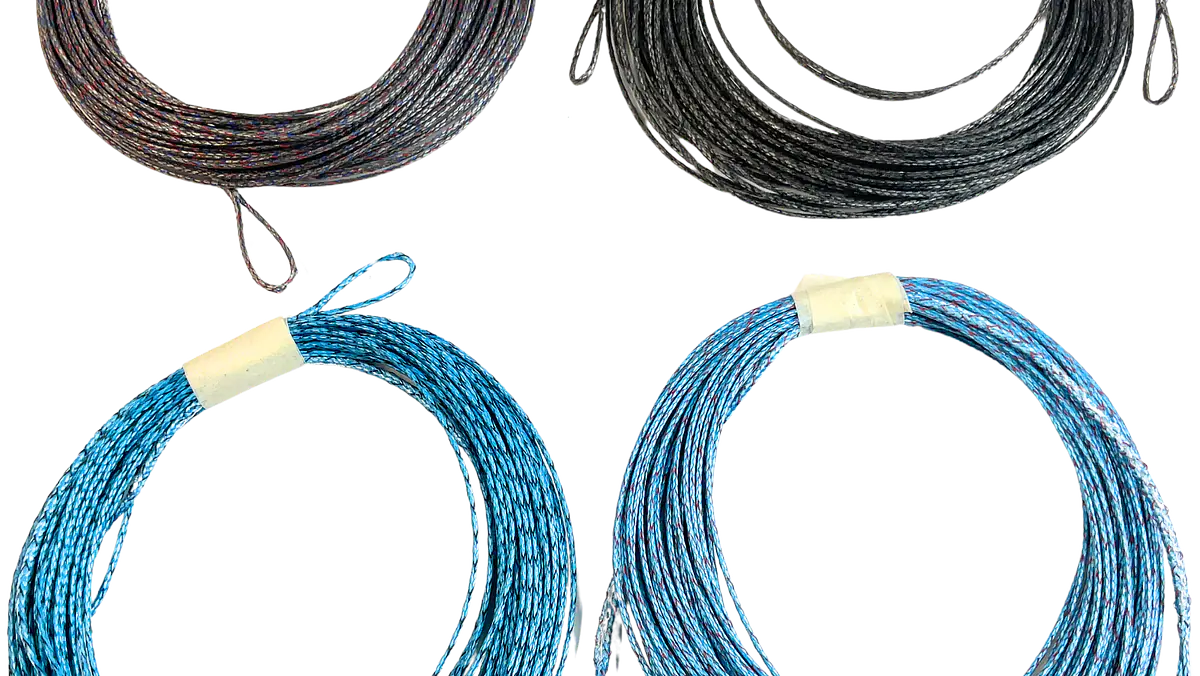
How to Launch a Kite in Strong Wind — Safety Tips
Launch safely in strong wind by using a smaller kite, securing the bar with both hands, keeping the kite low, and reading the wind window before committing.
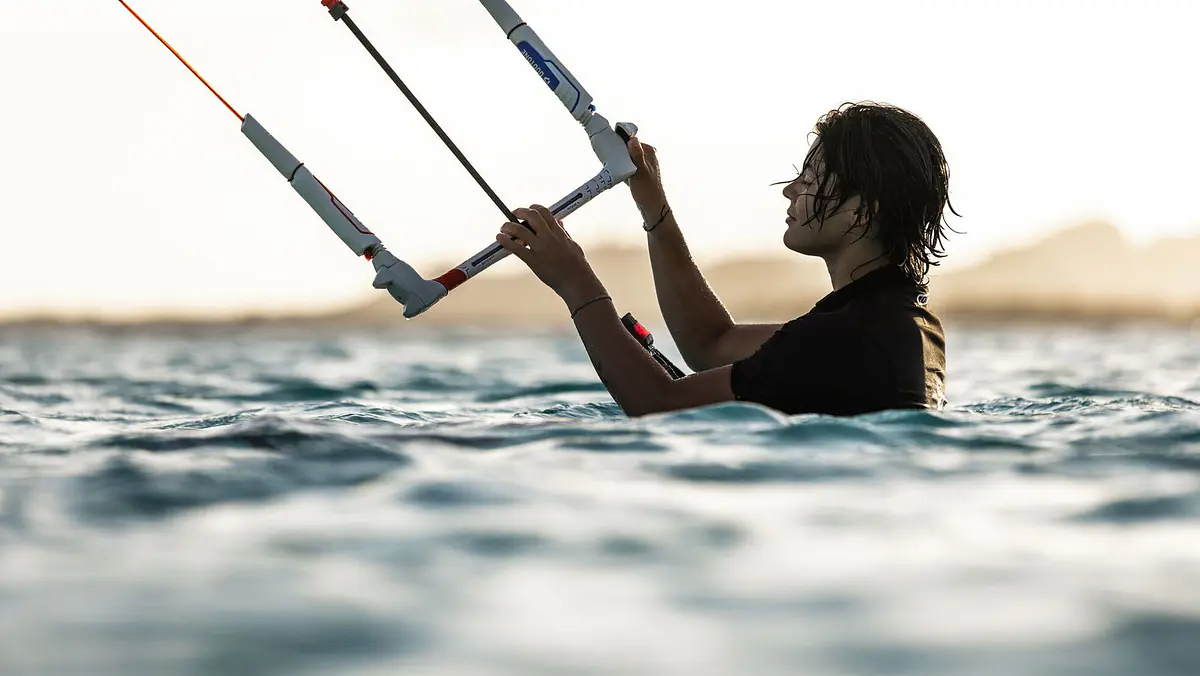
How to Plan a Downwinder — Kitesurfing Downwind Guide
A kitesurfing downwinder involves riding with the wind pushing you downwind over distance, requiring careful spot selection, weather planning, and a defined ...
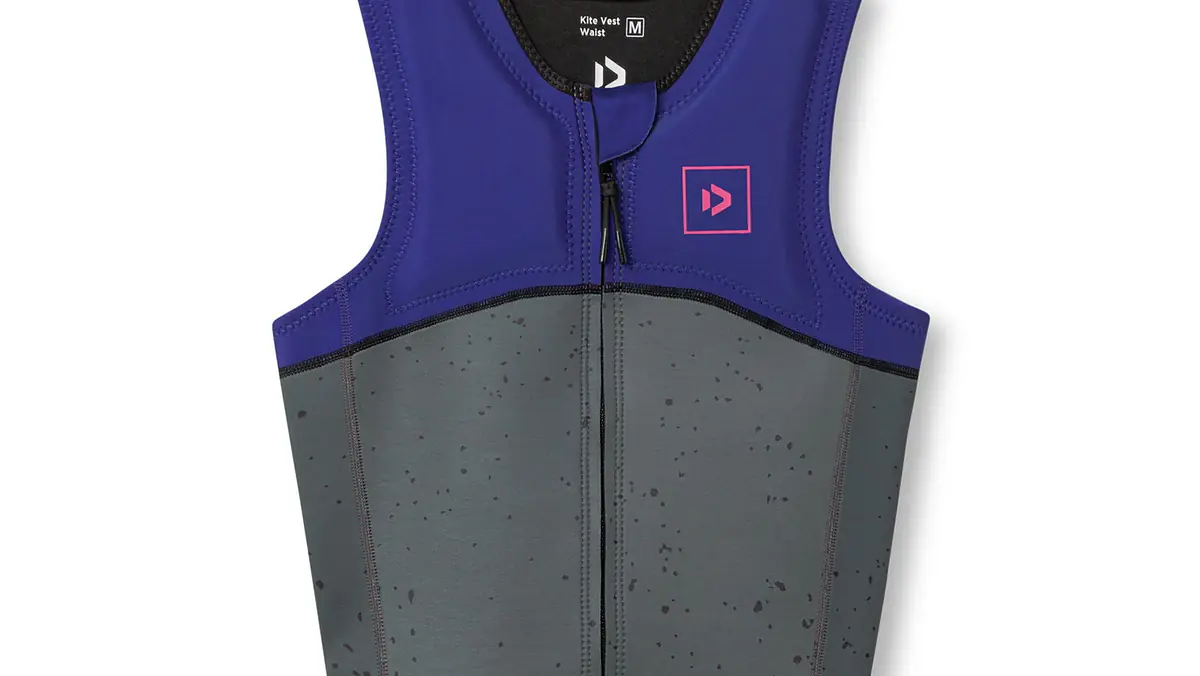
How to Read a Wind Forecast for Kitesurfing — Windy App Guide
Read wind speed, direction, and gust patterns using tools like Windy app to plan safe, enjoyable kitesurfing sessions.
How to Read Isobars for Wind Forecasts — Water Sports Guide
Isobars are lines connecting equal atmospheric pressure; closer spacing means stronger wind, and the wind flows parallel to isobars in the direction of lower...

Windsurfing in Winter — Cold Weather & Wetsuit Guide
Master winter windsurfing with our complete cold weather wetsuit guide covering gear, technique, top European spots, and essential safety advice.

Best Time of Year to Kitesurf in Europe — Monthly Guide
Summer and autumn deliver the most reliable wind and warm water across European kitesurf destinations.
Kitesurfing in Spring & Autumn Europe — Shoulder Season Guide
Spring and autumn deliver inconsistent but thrilling wind for European kiteboarders. Master variable conditions with the right gear and technique.
Best Season to Windsurf in the Mediterranean — Month by Month
Spring (April–May) and autumn (September–October) deliver the most consistent wind and comfortable water temperatures for Mediterranean windsurfing.
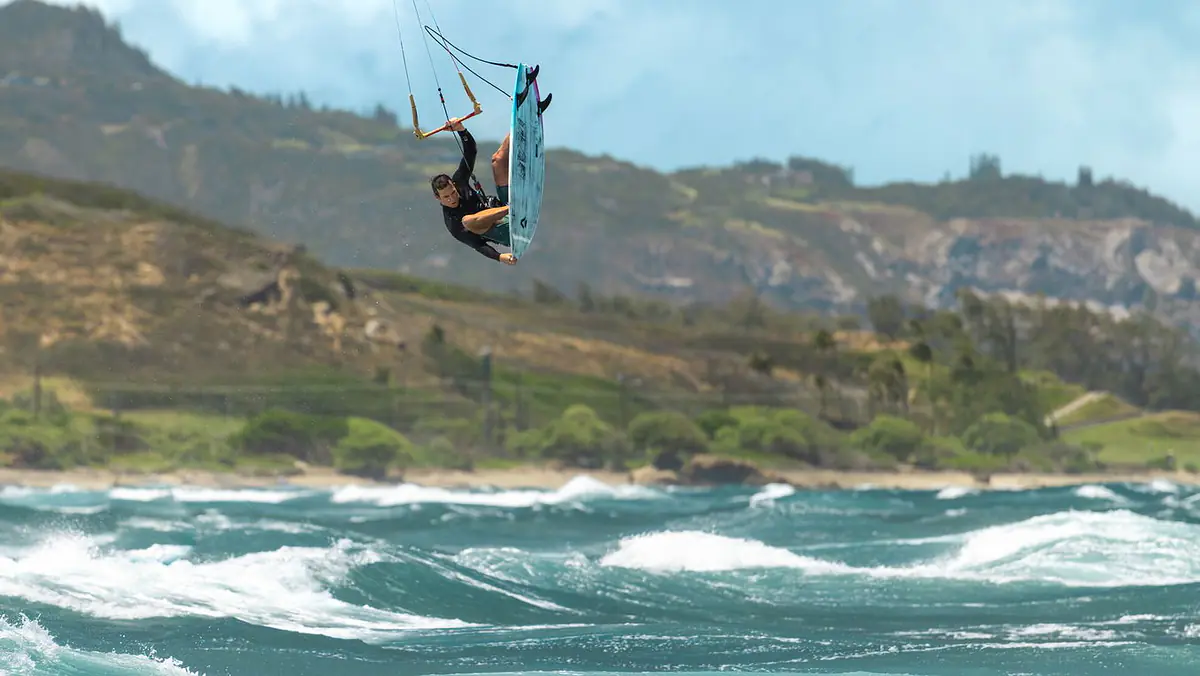
Cross-Shore vs Cross-Onshore Wind — Which Is Better for Kitesurfing?
Cross-shore wind blows parallel to the beach, while cross-onshore wind blows at an angle toward land—both affect safety and performance differently.
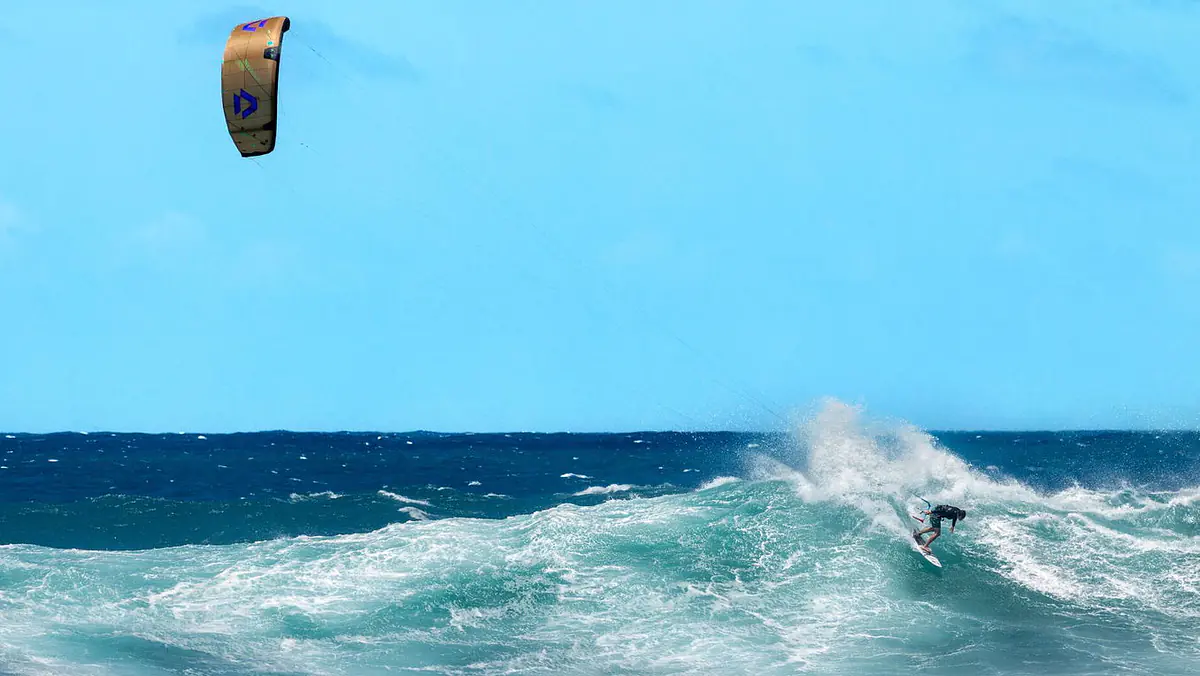
Best Kitesurfing Weather Apps 2026 — Windy vs iKitesurf vs Others
Windy, iKitesurf, and Meteoblue are the best kitesurfing weather apps for reliable wind forecasts and real-time conditions.

Kitesurfing in Cold Water — Winter Gear & Safety Guide
Kitesurfing in cold water demands proper thermal protection, adjusted technique, and smart equipment choices. Learn how to stay warm and safe.
Kitesurfing in Onshore Wind — Tips for Beginners
Learn how to kitesurf safely and effectively in onshore wind conditions with our expert tips on gear selection and technique adjustments.